

Featured image: AI-generated interior concept using product reference photography. Scale, setting, framing, and placement are illustrative.
The graphic geometry of a framed picture disc
When an interior designer or art consultant evaluates a room, the first challenge is often balancing spatial geometry. Modern residential architecture is inherently boxy. Drywall perimeters, rectangular floor plates, linear sofas, square low tables, and floor-to-ceiling double-hung windows form a rigid grid. Introducing art into these spaces usually means hanging another rectangle on a rectangular wall above a rectangular piece of cabinetry. A framed vinyl picture disc breaks this monotony by introducing a pure, perfect circle contained within a clean, squared structural frame. It is a classic dynamic balance: a geometric circle set against a crisp rectangular boundary.
A vinyl record is an iconic industrial object. When that record is a picture disc, the graphic interest multiplies. Unlike standard black vinyl, where the visual weight is uniform and dense, a picture disc layers full-color artwork directly into the substrate of the record itself. When set inside a generous window mat, the disc functions as a distinct circular portal. The high-contrast boundary between the perimeter of the vinyl disc and the neutral field of the interior mat emphasizes the circular outline, forcing the viewer's eye to centralize. In contemporary apartment interiors, where minimalism can sometimes lean toward coldness, this circular motion breaks up harsh architectural lines while preserving a clean, intentional aesthetic.
Understanding how a circular graphic interacts with room proportions is key to successful interior styling. A single twelve-inch disc floating in a standard frame has a total profile that sits comfortably between smaller framed photography and large-scale canvases. It demands dedicated wall space without visually overpowering surrounding elements. The circular motif can echo soft modern furniture shapes, such as curved bouclé armchairs, round pedestal dining tables, spherical brass light pendants, or architectural archways. By grounding these sweeping curves within a structured black or white frame, the piece feels settled, deliberate, and archically balanced within contemporary residential layouts.
The choice between frame profiles fundamentally alters how the interior disc communicates with surrounding room elements. A thin 12-inch profile presentation, such as the Olivia Rodrigo GUTS Limited Edition Purple Picture Disc Vinyl Framed Display 12", creates an immediate, flush relationship with the drywall, operating as a clean graphic element ideal for tight spaces or dense gallery grids. Conversely, opting for a deep-set architectural enclosure like the Olivia Rodrigo GUTS 12" Picture Disc Vinyl Shadowbox Frame Limited Edition 2023 introduces a physical third dimension. The two-inch depth of a shadowbox creates internal shadow lines that shift as ambient sunlight or artificial track lighting moves across the room during the day. This structural depth turns the framing into an architectural projection rather than a flat hanging print.
Mat proportions dictate the optical tension between the circular record and the outer rectangular frame. A standard two-inch mat border provides a calm, expected transition that anchors the graphic without drawing attention to the mat itself. Expanding that boundary to a four-inch or six-inch mat creates a dramatic museum-style window, expanding the surrounding negative space and forcing absolute visual focus onto the circular grooves. When specifying matting, designers must weigh the trade-off between spatial impact and room scale. Generous matting increases overall frame dimensions, requiring larger wall expanses and pushing adjacent artwork further away, whereas narrow borders allow tight groupings in micro-apartments or narrow hallway corridors.
Integrating framed vinyl into a residential space requires addressing display trade-offs, particularly regarding physical media accessibility and archival preservation. Mounting a picture disc permanently behind glass transforms a functional sound medium into a static visual object. Clients who intend to play their records regularly will find permanent archival framing impractical, as removing the backboard repeatedly risks damaging both the frame points and the vinyl grooves. For collectors prioritizing preservation, framing is an act of conservation rather than utility. UV-filtering glazing can reduce ultraviolet exposure. Visible light can still affect sensitive inks, so protective glazing does not make a sunny display position suitable.
Consider a hypothetical decision-making process for a contemporary living room measuring 14 feet by 20 feet with 9-foot ceilings. The room features a dark charcoal velvet sofa, polished concrete floors, and a light oak credenza along the primary focal wall. The designer needs to choose between hanging a single 18-by-18-inch white-matted shadowbox picture disc directly above the center of the credenza or arranging three flush-mounted 12-inch framed discs in a tight horizontal row. Selecting the single 18-by-18-inch shadowbox establishes a solitary, museum-grade focal point where the generous white mat contrasts sharply against a painted grey wall, providing sufficient negative space to keep the bold purple disc artwork from feeling visually crowded. Selecting the three-disc horizontal alignment would instead visually stretch the 72-inch credenza below, creating a linear rhythm that emphasizes room width over height.
To build a cohesive mood board around a framed purple picture disc, select materials that balance pop culture references with refined interior textures. Pair the vibrant purple vinyl substrate and dark frame moulding with samples of honed brushed brass, pale grey bouclé fabric, matte black steel trim, and deeply veined dark marble. These materials establish a balance between tactile warmth and modern architectural precision. For wall layouts, a single shadowbox works best placed 58 inches on center above a low credenza, surrounded by at least 12 inches of clear wall space on all sides. When hanging multiple framed discs in a gallery grid, maintain a strict 2-inch or 3-inch gap between frame edges to retain the geometric grid, allowing the inner circular records to form a rhythmic visual pattern across the room.
Understanding picture disc construction and visual physics
To specify or display a picture disc intelligently, one must understand how these objects are constructed. A picture disc is not simply colored vinyl or painted plastic. It is a multi-layered sandwich engineered through a specialized manufacturing process. The structural center is a thick, solid vinyl core, which provides rigidity and weight. Paper or thin film graphics carrying high-resolution offset or digital printing are laid against both sides of this core. Finally, an ultra-thin sheet of transparent vinyl PVC is pressed over the graphics on each side, with the audio grooves stamped directly into those clear outer layers during hot pressing.
This composite construction produces a visual effect unique to the format. When viewing a piece like the Olivia Rodrigo GUTS 12 inch picture disc shadowbox frame, the eye perceives depth through the micro-grooves. Light reflects off the ultra-thin ridges of clear vinyl, creating a subtle refractive shimmer across the underlying imagery. The purple liquid-tone grid design and graphic elements embedded in this edition catch ambient light at varying angles, creating a tactile contrast between the smooth plastic glaze and the precise concentric grooves of the pressing.
This structure also explains why picture discs occupy a specific niche in contemporary music collections. Because the audio grooves are stamped into an outer transparent layer rather than solid mass-dyed virgin vinyl, picture discs historically exhibit slightly higher baseline surface noise than standard audiophile pressings. Collector culture has evolved accordingly: picture discs are widely appreciated as primary visual artifacts. They are designed to be seen, preserved, and displayed. When mounted behind glass, the disc is elevated from a delicate playing medium into a pristine wall-mounted sculpture that celebrates both the audio era and its accompanying visual design identity.
Matting, frame depth, and circular repetition
Hanging a picture disc requires careful consideration of the framing depth and mat dimensions. A standard document frame presses flat glass directly against the subject. For a vinyl record, direct contact between glass and plastic creates several long-term risks, including surface friction, static accumulation, and potential moisture entrapment. Proper framing requires space between the object and the glazing, achieved either through a deep mat cut or a true shadowbox frame construction.
The choice of mat margin alters how the object reads within a room. A narrow mat margin keeps the focus entirely on the disc, making the frame profile feel compact and object-focused. Conversely, a wide mat margin, such as three to four inches of crisp white mount board around a twelve-inch disc, transforms the presentation into a traditional fine-art format. The negative space lets the vibrant colors of the picture disc breathe, giving the artwork breathing room against rich wall paint, dark wood paneling, or exposed concrete surfaces. A white core mat maintains a sharp, clean bevel edge that draws the eye cleanly from the frame border to the central circular aperture.
Designers can also leverage the repetition of circular forms. Mounting multiple framed picture discs in a tight horizontal or two-by-two grid creates an arresting gallery wall based on repeated geometry. The consistent circular outlines establish a rhythmic baseline, while the varied imagery inside each circle provides visual contrast. When arranging multiple discs, ensure the frame mouldings, depth, and mat shades are completely identical. This consistency ensures the spatial rhythm remains precise and clean rather than chaotic or mismatched.
Accessibility trade-offs: framed display versus turntable use
A central consideration when specifying a framed record for a residential client is the functional trade-off between permanent display and playback access. Encasing a vinyl disc in a professional shadowbox format elevates it into a permanent visual feature, but it essentially removes the object from active turntable rotation. Once sealed inside a shadowbox with backing boards, point flexes, or framing tape, retrieving the record to play Side B requires un-framing the entire unit.
Clients should understand what display means for their collection. For rare, limited-edition pressings, archival framing is often the preferred strategy. Enclosing an unplayed vinyl record preserves its physical condition, protecting the delicate outer grooves from dust, skin oils, sleeve scuffs, and mechanical wear caused by turntable needles. The object remains permanently preserved in its original mint state, serving as a pristine cultural artifact from a specific moment in pop history.
If a client insists on having both a framed wall feature and an active listening experience, the solution is strategic duplication. Design plans often call for sourcing two copies of an important release: a standard black vinyl pressing or open-edition sleeve kept near the audio console for routine playback, and a rare, limited-edition variant, such as a picture disc, dedicated exclusively to custom wall framing. For instance, displaying the Olivia Rodrigo GUTS purple picture disc framed display allows the room to highlight the album's striking visual identity on the wall, while a everyday turntable copy stays accessible near the record player. This approach provides the best of both worlds: uncompromised aesthetic presentation and functional home entertainment.
Preservation, light exposure, and documentation
While framing protects vinyl from physical debris and handling damage, environmental exposure remains a key factor in long-term preservation. Plastics and printing inks are inherently vulnerable to thermal stress and light radiation. Placing a framed vinyl disc in direct sunlight, near high-heat HVAC vents, or in moisture-prone zones like bathrooms or sunrooms will inevitably compromise the integrity of the object over time.
Ultraviolet (UV) radiation breaks down chemical bonds in both paper inks and synthetic polymers. Over extended periods, unfiltered light causes vibrant purples, deep blues, and subtle mid-tones to fade, while clear vinyl layers can yellow or embrittle. Incorporating high-grade UV-filtering glazing, such as museum-quality glass or UV-blocking acrylic, significantly reduces these risks by blocking harmful light wavelengths. However, light-filtering options reduce risks rather than eliminate them completely; light filtering does not make paper or vinyl immune to high-intensity light damage. Designers should plan wall placement thoughtfully, positioning framed records on interior walls lit by indirect, ambient natural light or dedicated, low-heat LED artwork fixtures.
Heat management is equally vital. Vinyl is a thermoplastic material; under elevated temperatures or harsh spotlighting, a disc sealed inside a shallow frame can expand, warp, or cup against the mat. Room layouts should ensure framed records sit clear of direct radiator airflow, fireplace mantels, or uninsulated exterior walls. Furthermore, preserving any original documentation, hype stickers, or purchase receipts behind the frame backing or within a secure client file maintains the complete provenance record of the edition for future reference.
A hypothetical room concept and gallery layout
To demonstrate how a framed picture disc integrates into a contemporary residential environment, consider a concrete design brief. The project is a light-filled modern apartment living room featuring light oak hardwood flooring, warm beige lime-wash plaster walls, a low-slung dark charcoal modular sofa, and brushed brass architectural accents. The client wants a refined, youth-influenced cultural touchpoint that avoids looking like a casual college dorm setup.
The planning assumptions call for a primary art wall measuring twelve feet wide by nine feet high, situated opposite a wall of sheer-curtained windows facing north. The proposed layout centers on a balanced three-item vertical gallery stack positioned to the left of a tall, minimalist floor lamp, or a horizontal side-by-side pairing above a low walnut media console. The primary anchor of this wall display is the framed Olivia Rodrigo GUTS 12 inch picture disc shadowbox frame, measuring 18 inches by 18 inches.
Living room mood board material palette
- Wall finish: Warm mineral lime-wash plaster (soft oatmeal tone)
- Primary furniture: Charcoal wool-textured modular sofa with low profile
- Accent materials: Matte black powder-coated steel, natural solid walnut, brushed brass
- Framing specifications: 18x18-inch black wood shadowbox frame, 2-inch depth, white core mat board, UV-filtering museum glass
- Textiles: Lavender velvet accent cushions, cream bouclé throw, natural jute rug base
By pairing the deep black frame moulding with a wide white core mat, the 18x18-inch presentation creates a crisp visual anchor against the textured plaster wall. The purple tones and grid imagery of the picture disc pull double duty: they introduce a subtle, sophisticated pop of color that pairs naturally with soft lavender velvet textiles and warm walnut furniture, while the deep two-inch shadowbox profile casts clean architectural drop shadows against the wall surface. The layout achieves a mature balance where contemporary pop culture is treated with the spatial respect of gallery-grade art.
Comparative analysis of picture disc framing styles
When selecting between available framed editions or planning custom framing for a picture disc, subtle differences in frame construction, depth, and matting radically alter both the visual impact and the physical footprint of the final piece. Below is a structural comparison of typical picture disc framing options available to designers and collectors.
| Framing Parameter | 12-Inch Compact Frame Display | 18x18-Inch Deep Shadowbox Frame |
|---|---|---|
| Overall Dimensions | Approximately 12.5 x 12.5 inches (compact profile) | 18 x 18 inches (gallery profile) |
| Mat Board Border | Minimal or flush-edge border | Wide profile (3+ inches of mat border) |
| Frame Depth | Shallow profile (0.5 to 0.75 inches) | Deep shadowbox profile (2.0 inches) |
| Glazing Type | Standard clear glass or acrylic | UV-filtering museum-grade glass |
| Visual Character | Direct, object-focused, modern industrial | Formal gallery presentation, architectural depth |
| Ideal Placement | Tight wall spaces, small nooks, grid collections | Primary accent walls, focal points above furniture |
The compact style, represented by the Olivia Rodrigo GUTS purple picture disc framed display, highlights the vinyl disc as a distinct modern object. Its tighter footprint makes it uniquely suited for compact apartment nooks, built-in shelving displays, or multi-frame gallery grids where wall space is at a premium. On the other hand, the deep 18x18-inch shadowbox format offers a formal gallery presence, using deep internal margins and museum-grade glass to convert the record into a significant sculptural anchor suitable for prominent living areas.
Cataloguing and contextualizing modern pop editions
Understanding the provenance, context, and edition history of modern vinyl pressings is vital for building a meaningful collection. In contemporary music culture, major album releases are frequently accompanied by extensive vinyl variant programs. These programs offer collectors distinct colorways, store-exclusive covers, and short-run picture disc pressings distributed through specialized fan channels.
The release of Olivia Rodrigo's second studio album, GUTS (Geffen Records, 2023), serves as an extraordinary example of this contemporary phenomenon. The album's rollout included numerous physical variations, ranging from retail-exclusive solid colorways to specialized webstore pressings containing hidden bonus tracks. Standing at the top of this collectible hierarchy was the Spotify "Fans First" exclusive picture disc. Sourced through targeted access given to top-tier digital streaming listeners, this limited edition features alternative artwork on both playing sides, surrounded by the album's signature purple liquid-tone grid design. Embedded after 62 seconds of silence at the end of Side B is the hidden track "Obsessed," which later became the lead single for the deluxe edition, GUTS (Spilled).
When acquiring or specifying unsigned collectible displays like these, buyers should review listing photos carefully to verify frame styles, mat orientation, and artwork variants. Neither of the referenced listings claims artist signatures, stage use, or official licensing collaborations beyond their manufacture as official pressings. Treating these items as authenticated cultural objects means respecting their documented production facts: unplayed media, official pressing provenance, and custom display craftsmanship.
Final design recommendations and practical next steps
Integrating music memorabilia into a refined residential space is an exercise in restraint, balance, and material quality. When executed with intention, a framed picture disc transcends standard room decor, becoming a sophisticated focal point that reflects the personal taste, cultural era, and design sensibility of the homeowner. By framing clean circular graphics inside structured rectangular profiles, designers can break up architectural monotony and introduce dynamic energy into contemporary apartments.
When planning your next residential project or art acquisition, consider the following practical steps to ensure a seamless result:
- Assess wall dimensions and ambient light levels before selecting your frame placement, avoiding areas with direct sun exposure or harsh thermal vents.
- Determine whether your display goals favor a compact, object-focused frame or a deep, wide-matted gallery shadowbox.
- Select high-grade UV-filtering glazing whenever possible to shield sensitive vinyl substrates and printed artwork from environmental wear.
- Confirm final framed dimensions, glass specifications, and listing details with the gallery prior to specifying pieces for client floor plans.
Whether you are designing a high-rise living space, curating a dedicated media studio, or adding to a personal collection of contemporary pop culture artifacts, well-crafted picture disc displays offer a striking fusion of musical history and modern visual design. To explore exceptional collector-ready pressings and professionally mounted editions, we invite you to browse our curated selection of framed vinyl collectibles at Gauntlet Gallery today.
Shop Music memorabilia
Explore current pieces available from the gallery.
-
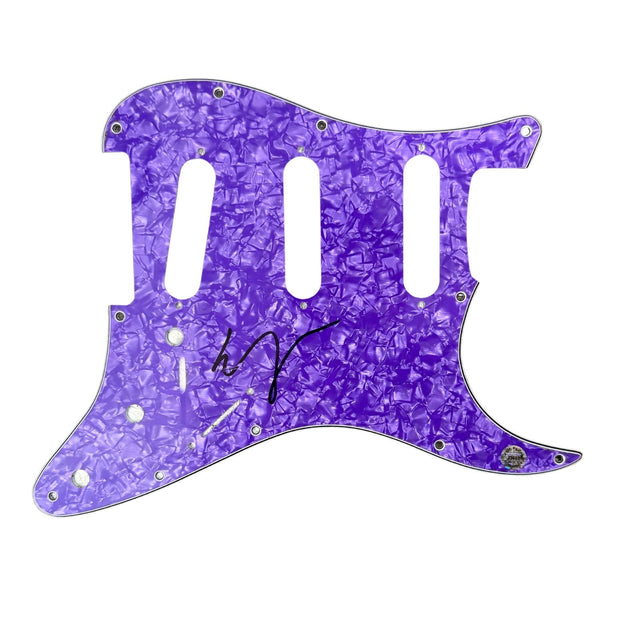
Vampire Weekend Ezra Koenig Signed Guitar Pickguard Autograph Hologram COA
$100.00 USD
-

Twenty One Pilots Signed Clancy CD Framed Display Tyler Joseph Josh Dun Auto
$199.00 USD
-
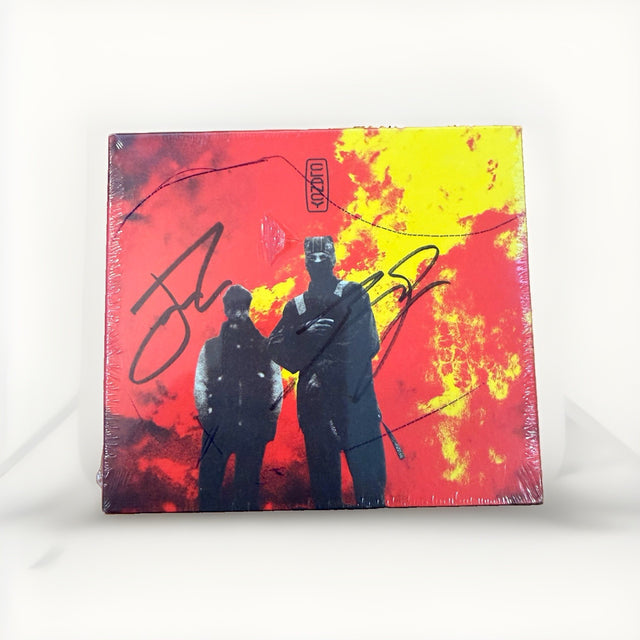
Twenty One Pilots Clancy Signed CD Tyler Joseph Josh Dun Sealed Unopened 2024
$189.00 USD
-
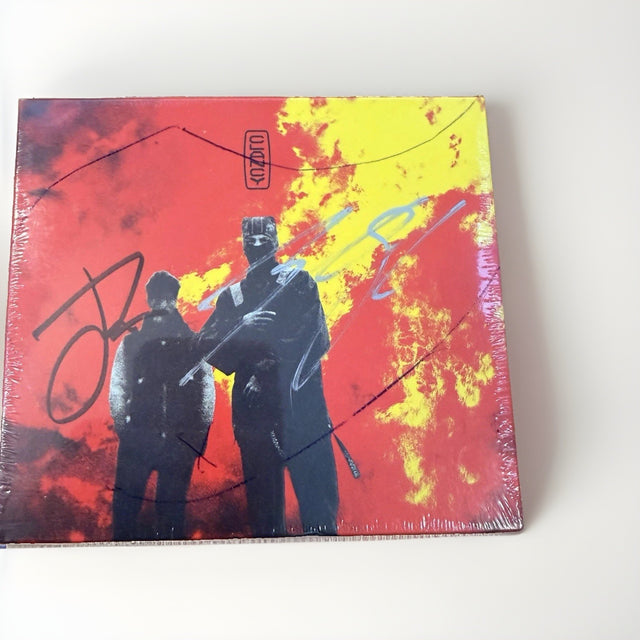
Twenty One Pilots Clancy Signed CD Sealed Tyler Joseph Josh Dun Silver Autograph
$189.00 USD
-
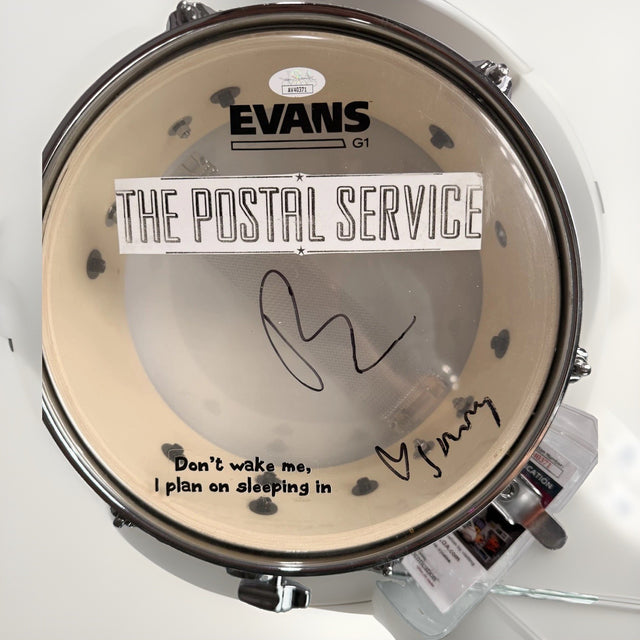
The Postal Service Dual Signed Evans M-80 Drumhead JSA A40371
$499.00 USD
-

The Head and the Heart Band Signed Framed 'aperture' CD COVER ALBUM
$65.00 USD
Browse the collection for current listings.