Designer Toy Grading & Condition: Box, Blister & Figure
The best marketplaces for designer art toys and figurines are specialist dealers and authenticated galleries that grade condition transparently and stand behind provenance, alongside established auction houses and vetted collector platforms. For BE@RBRICK, KAWS, Sorayama and similar lines, prioritize sellers who photograph the box, the blister/window, and the figure separately, disclose flaws honestly, and back applicable pieces with verifiable authentication. At Gauntlet Gallery we treat condition as a three-part assessment—packaging, protective plastic, and the figure itself—because in this category the box is not disposable; it is part of the asset.
That single idea trips up more new buyers than any other. A mint figure in a crushed box can be worth a fraction of the same figure in a clean, sealed one. Understanding how graders and serious collectors read condition—and the vocabulary they use to describe it—is the difference between paying a fair price and overpaying for a piece that will disappoint on resale. This guide explains how box, blister, and figure condition each move value, walks through the grading language used across the hobby, and shows how to buy with confidence from marketplaces that grade the way collectors actually think.
Why Condition Is the Hidden Variable in Designer Toy Value
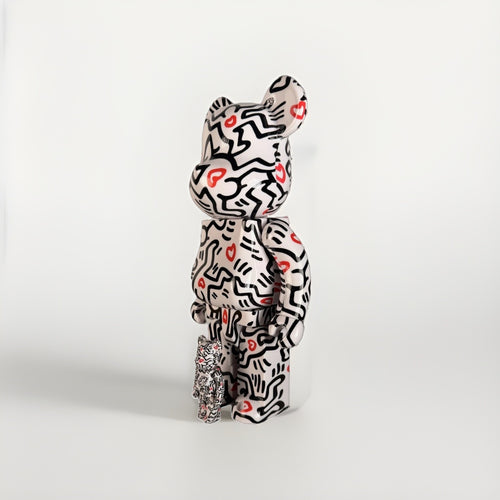
In fine-art prints, condition matters, but the paper is the object. In designer toys, the object is manufactured in multiples and sold in packaging designed to be opened—yet collectors, over the last fifteen years, have decided that the packaging matters almost as much as the toy. That decision is now priced into the secondary market. A 1000% BE@RBRICK sealed in its original box with an intact outer sleeve typically commands a premium over an identical figure sold loose, even when the loose figure is visually flawless.
The reason is scarcity of state. Every collector who opens a box reduces the population of sealed examples. Over time, sealed-and-mint specimens become genuinely rarer than the production run implies. Layer in the fragility of blind-box packaging, thin blisters, and glossy printed sleeves that scuff if you look at them wrong, and you have a category where condition is the primary lever on price after edition and collaboration. Two identical releases can trade at very different numbers based purely on how carefully they were stored and handled.
This is why marketplace selection matters. A platform that lets sellers write “good condition” with one blurry photo does nothing to protect you. A dealer who separates box, blister, and figure into distinct condition notes—and photographs each—is giving you the data you need to price the piece correctly. If you are new to the category, our BE@RBRICK buyer's guide and the BE@RBRICK collection show what disciplined condition reporting looks like in practice.
The Three Components of Condition
Grading a designer toy means grading three things that can each be in wildly different states. A collector who reports only an overall grade is hiding information. The professional approach is to assess each component on its own, then let the buyer weigh them.
1. The Box (Outer Packaging)
The box is the first thing a grader inspects and often the first thing to fail. Printed retail boxes, blind-box cartons, and outer sleeves take the brunt of shipping, shelf wear, and storage. The condition points that move value most are:
- Corners and edges — crushed, softened, or dinged corners are the single most common defect and the fastest way a box drops a grade.
- Surface — scuffs, scratches, sun-fade, ring marks from stacking, and fingerprints on glossy stock.
- Structural integrity — creases, dents, splits at the seams, and any collapse of the box walls.
- Sleeve and shrink-wrap — whether the outer sleeve is present and clean, and whether factory shrink-wrap is intact, torn, or reapplied.
- Price stickers and residue — retail stickers, adhesive ghosting, and any attempt to peel them can each cause damage that lowers a grade.
A box in top condition is one a grader would call clean, square, and unhandled: sharp corners, no fading, no crush, original sleeve present. Every step away from that state is a step down the grading scale.
2. The Blister / Window (Protective Plastic)
Many designer toys ship in a clear blister, a plastic window insert, or a molded tray that holds the figure. This layer is easy to overlook and disproportionately important. A yellowed, cracked, or crushed blister signals age and poor storage even when the figure inside is perfect, and it caps the ceiling on any “mint in box” claim.
- Clarity — is the plastic still clear, or has it yellowed or hazed with age and UV exposure?
- Cracks and stress marks — blisters crack at stress points; even a hairline crack is a reportable flaw.
- Deformation — a crushed or warped tray that no longer seats the figure properly.
- Seal integrity — whether the blister is still factory-sealed to the backing card or has been opened and re-tucked.
For collectors chasing sealed examples, the blister is the proof of an unopened state. Once it is cut, split, or re-glued, the piece moves permanently into “opened” territory regardless of how the figure looks.
3. The Figure Itself
Finally, the figure. Even sealed pieces can carry factory flaws visible through the window, and loose figures must be graded on their own merits. Key points:
- Paint — chips, rubs, overspray, uneven application, and factory paint slop.
- Surface finish — scratches, scuffs, and haze on glossy or chrome finishes, which show every imperfection.
- Yellowing and discoloration — white and clear vinyl are prone to yellowing with age and light exposure.
- Joints and structure — stress marks, loose or over-tight joints, warping, and any repaired damage.
- Completeness — all accessories, stands, and inserts present; a missing accessory is a permanent value deduction.
A serious seller will note figure flaws even on sealed items when they are visible through packaging—and will photograph the figure from multiple angles on loose pieces. If a listing shows only the box, assume the figure has not been fully disclosed.
A Practical Condition-Grade Framework
There is no single universal numeric grading service that dominates designer toys the way certain services dominate trading cards or coins. Instead, the hobby relies on a shared descriptive vocabulary—terms like mint, near mint, and mint in sealed box—that experienced dealers apply consistently. Below is the descriptive framework Gauntlet Gallery uses. It is a synthesis of common collector language, not a proprietary or invented numeric scale, and it maps cleanly to how the market actually prices condition.
| Grade | Box / Packaging | Blister / Window | Figure | Typical market effect |
|---|---|---|---|---|
| Mint, Sealed (MISB) | Sharp corners, no crush, original sleeve, factory shrink intact | Sealed, clear, no cracks | Unopened; no visible flaws through window | Top of market; commands the sealed premium |
| Mint in Box (MIB) | Clean, square, minor handling only; may be opened | Present and intact; may be opened cleanly | Displayed briefly or never; flawless | Strong; slight discount to sealed |
| Near Mint | Light shelf wear, faint corner softening or minor scuffs | Clear with very minor stress marks | One or two trivial flaws under close inspection | Modest discount; the collector default |
| Very Good | Visible wear: dinged corners, creases, sticker residue | Minor cracking or slight yellowing | Minor paint rubs, light scuffs, all parts present | Meaningful discount; a display-not-invest piece |
| Good / Fair | Crushed, split, faded, or heavily worn | Cracked, crushed, yellowed, or missing | Noticeable chips, discoloration, or a missing accessory | Steep discount; priced as a filler or parts piece |
| Loose (No Box) | None | None | Graded on figure alone; condition varies | Priced well below any boxed equivalent |
Two clarifications keep this framework honest. First, “mint” describes state, not perfection—factory flaws exist, and a truthful grader will note them rather than pretend a mass-produced item is flawless. Second, the gap between adjacent grades is not fixed; it widens dramatically for rare collaborations and shrinks for common releases. Always read the grade against the specific release, using resources like the KAWS figurine index to understand what a given piece should look like in top condition.
How Each Component Actually Moves the Price
Condition does not affect value evenly across the three components. Understanding the weighting helps you avoid two classic mistakes: overpaying for a pristine box around a flawed figure, and dismissing a strong figure because of a minor box ding.
The Sealed Premium
The largest single condition effect in this category is the sealed premium—the gap between a factory-sealed example and an opened one. Because opening is irreversible and reduces the sealed population over time, sealed examples of desirable releases carry a premium that can be substantial. The catch: the premium is real only when the seal is genuinely factory-original. A resealed box or reapplied shrink-wrap is not a sealed piece; it is an opened piece with a cosmetic story. This is exactly where marketplace trust matters, and where our deeper explainer on sealed versus opened designer toys and how condition changes value is worth reading before you pay a sealed price.
Box Damage: The Fast Depreciator
Box condition is where value bleeds quickest for the everyday collector, because boxes are fragile and shipping is brutal. A crushed corner or a crease across printed artwork can knock a piece down a full grade. For collectors who display sealed, box damage is close to figure damage in impact. For those who plan to open and display the figure anyway, box damage matters less—which is precisely why you should decide your intent before you buy.
Figure Flaws: The Permanent Deductions
Figure damage is permanent and non-recoverable. Paint chips, deep scratches on gloss or chrome, yellowing, and missing accessories cannot be undone, and each is a lasting deduction. A missing stand or accessory is especially punishing because it can make a piece incomplete for a set-focused collector. When a figure flaw and a box flaw are both present, the figure flaw almost always weighs more on long-term value.
Grading Language: Speaking the Market's Vocabulary
To buy and sell effectively you need to read listings fluently. These are the terms you will encounter, with what they should mean when used honestly:
- MISB — Mint in Sealed Box. Factory-sealed, unopened, top condition. Verify the seal is original.
- MIB / NIB — Mint in Box / New in Box. Complete with box; may have been opened but is otherwise flawless.
- MIMB — Mint in Mint Box. Both figure and box are in top condition—a stricter claim than MIB.
- NM (Near Mint) — Minor, easily overlooked wear.
- Loose — Figure only, no packaging.
- Displayed — Removed from box and shown; expect light dust exposure and possible minor handling.
- Blister damage / cracked bubble — The protective plastic is compromised; the sealed claim is void.
Be skeptical of vague terms doing heavy lifting. “Good condition” with no component detail, “like new” without photos, or “rare” without an edition reference are red flags. A credible seller uses precise language and backs it with images. If you want to sharpen your listing-reading instincts across the whole hobby, our companion piece on red flags in online art listings catalogs the twelve signals that most often precede a bad buy.
Choosing the Right Marketplace for Designer Toys
Now to the target question: where should you actually buy? The channels break down into a few types, each with a different risk and condition-disclosure profile.
Specialist Dealers and Authenticated Galleries
Dealers who specialize in designer toys—including Gauntlet Gallery—offer the strongest combination of curation, condition transparency, and authentication. The advantage is not just inventory; it is accountability. A specialist grades box, blister, and figure separately, discloses flaws in writing, and backs applicable KAWS and BE@RBRICK pieces with TrueCOA so the item's authenticity travels with it. You pay for that assurance in the price, but you eliminate the two biggest risks in the category: fakes and undisclosed damage.
Auction Houses
Established auction houses handle high-value designer toys, especially rare collaborations and large-format figures. Condition reports are usually detailed and provenance is documented, but buyer's premiums are significant and prices can run hot in a competitive room. Auctions suit experienced buyers chasing specific grail pieces who can read a condition report critically.
Peer-to-Peer Marketplaces and Consignment Platforms
General marketplaces and sneaker/streetwear consignment platforms offer huge selection and competitive pricing, but condition disclosure is only as good as the individual seller. Some platforms authenticate; many do not grade condition at all. Here you are your own grader: demand component-level photos, read the language carefully, and price the risk. For anything expensive, the savings over a specialist rarely justify the uncertainty.
Whatever channel you choose, the same discipline applies. Verify authentication, insist on box/blister/figure photos, and confirm the grade matches what you see. Our Collector's Hub lays out the house standard for trust and authentication that we hold ourselves to—and that any marketplace you buy from should be measured against.
How to Inspect a Piece Before You Buy
Whether you are buying in person or from photos, work through the three components in order. This checklist mirrors how a professional grader approaches a piece:
- Box first. Check all four corners, all edges, and every printed surface. Look for crush, creases, fading, ring marks, and sticker residue. Confirm the outer sleeve is present.
- Seal status. Determine whether it is factory-sealed. Examine shrink-wrap for the tightness and finish of original factory wrap versus a looser reapplied job.
- Blister and window. Look through and at the plastic for yellowing, haze, cracks, and crush. Confirm the tray still seats the figure.
- Figure through the window (sealed) or in hand (loose). Scan for paint chips, scratches, discoloration, and joint stress. On chrome and gloss finishes, angle the light to reveal fine scratches.
- Completeness. Confirm all accessories, stands, and inserts are present and pictured.
- Authentication and markings. Verify the series stamp, foot print, and Medicom or Medicom-partner markings match a genuine example—then cross-check any accompanying COA or certificate.
For the authentication step specifically, learning to read the manufacturer markings is essential. A figure can be in beautiful condition and still be a counterfeit. Pair this condition guide with a markings-focused read so you are grading a genuine piece in the first place; comparing against a verified reference in the KAWS collection is a good habit before committing to any purchase.
Storage: Protecting the Grade You Paid For
Condition is not static. The grade you buy can decline in your care, and the sealed premium you paid for can evaporate with poor storage. A few principles preserve value:
- Keep out of direct sunlight. UV yellows clear plastic and white vinyl and fades printed boxes—the two fastest ways to lose a grade at home.
- Control temperature and humidity. Heat warps blisters and softens boxes; humidity invites mold and foxing on cardboard.
- Support the box. Store upright with support so walls do not bow, and never stack heavy items on printed boxes.
- Use protective cases. Acrylic display cases and archival sleeves shield boxes from dust, handling, and UV.
- Handle sealed pieces minimally. Every handling risks a scuff or corner ding. If a piece is an investment, resist the urge to open it.
Good storage is the cheapest value protection you can buy. A collector who stores carefully can hold a mint grade for years; a careless one turns a mint piece into a near-mint one within a season.
Condition and Resale: Thinking Like a Seller From Day One
Even if you buy purely for love, condition determines what you recover when you sell. Buyers on the secondary market are trained to scrutinize exactly the three components covered here, and they will discount ruthlessly for anything undisclosed. The lesson is to buy the best condition you can afford within your budget and intent, document that condition with photos the day it arrives, and store it to hold the grade.
Condition also interacts with the other value drivers—edition size, collaboration desirability, and demand. A rare collaboration in only good condition can still outperform a common release in mint condition, because scarcity of the release outweighs scarcity of state. The art of pricing is weighing the two together. To see how collaboration desirability layers on top of condition, our analysis of BE@RBRICK collaborations that hold value is a useful companion, and the broader philosophy of authenticated collecting is set out at the Collector's Hub.
Category Nuances: Where Condition Rules Bend
The general framework holds across the hobby, but a few sub-categories carry their own condition quirks that experienced collectors weight differently. Knowing them keeps you from misreading a grade or over-discounting a piece that is actually normal for its type.
Blind-box and mini-figure lines ship in thin cartons designed to be torn open, so pristine outer packaging is genuinely uncommon and commands an outsized premium when it survives. Because these boxes are so fragile, a light corner soften is not the value cliff it would be on a large-format retail box; grade them against realistic expectations for the format, not against an idealized standard the packaging was never built to meet.
Large-format figures—the 400% and 1000% scales and comparable large releases—arrive in substantial printed boxes that are expensive to ship and prone to shelf wear precisely because they sit out on display. Here the box premium is pronounced: a clean, sharp box on a large figure is a real differentiator, and buyers pay for it. The blister or foam inserts on large pieces also matter more, since a warped tray can let a heavy figure shift and self-damage in transit.
Chrome, gloss, and clear finishes punish condition harder than matte ones. A matte figure hides fine handling marks; a chrome or clear figure reveals every scratch, fingerprint, and speck of haze under angled light. When grading these finishes, inspect under strong raking light and price accordingly—what reads as near mint on matte can read as very good on chrome.
Vintage and early-era pieces carry age-related expectations. Some yellowing on an older clear or white figure is normal for its era and not necessarily a sign of abuse; a knowledgeable grader factors the release date into the assessment. This is why cross-referencing a verified example for the specific release matters so much—condition is always graded relative to what a genuine, well-kept specimen of that exact piece looks like today.
None of these nuances overturn the three-component method; they refine how you weight each component for a given format. When in doubt, anchor to a trusted reference and a seller who explains their grade rather than one who hands you a single word.
The Bottom Line
The best marketplaces for designer art toys and figurines are the ones that grade the way collectors think: box, blister, and figure assessed and disclosed separately, authentication verified, and provenance documented. Specialist dealers and authenticated galleries lead on trust; auction houses serve grail-level buyers; peer-to-peer platforms offer selection at the cost of doing your own grading. Wherever you buy, treat the box as part of the asset, respect the sealed premium only when the seal is genuine, and remember that figure flaws are permanent while box flaws are visible. Grade with discipline, store with care, and the piece will hold its value—and its grade—for the long run.