
Project Mercury and Apollo 17 BE@RBRICKs share an astronaut theme and a 100% and 400% format. Their names identify different space-program references, which should remain distinct in a collection or seller comparison.
The useful first decision is the reference you want to collect. “NASA astronaut set” describes the broad interest, while the complete title identifies the documented target.
Compare the two announcements
Medicom’s Project Mercury page specifies approximately 70 and 280 mm figures, July 2022 planned release/shipping wording, and a ¥16,500 tax-included quote.
The Apollo 17 page specifies the same nominal sizes and approximate heights. It gives December 2024 planned release/shipping wording, a December 14 store-sale statement, and a ¥18,480 tax-included quote. Both pages explicitly state NASA authorization for the respective products.
These are statements about the named manufactured products. They do not establish current availability, a numerical production quantity, or the provenance of a particular secondhand example.
Keep program identity with the figure
Use the Mercury detail and the Apollo 17 detail in the BE@RBRICK Master Index as separate references. If your personal collection connects the history of spaceflight with character figures, write that as your collecting theme without merging the program names.
A seller’s generic astronaut wording should prompt an identification question. Ask which official release the item matches and whether both nominal sizes are present. The shared size combination does not make one set a substitute for the other.
For a mission-history caption, verify the additional historical claims through NASA’s mission documentation. The product names and announcement text identify the reference, but a detailed account of flight dates, crews, or equipment needs the appropriate historical sources.
Separate representation from flown provenance
A NASA-authorized product is not, on that basis, space-flown, mission-used, or made from recovered spacecraft material. Those claims concern the history or composition of a specific object and need separate evidence.
This distinction is helpful when figures sit beside space memorabilia. Your display can connect them through subject matter while its labels describe different kinds of objects honestly. A toy reference and an artifact provenance record have different evidentiary jobs.
The gallery already has an Apollo buying article for a broader purchase discussion. Use this comparison to choose the exact program reference before following that inspection process.
If you compare original amounts, retain the whole-set unit. The difference between the two announced Japanese quotes does not establish a current market premium or an official separate price for either larger component.
You can collect one complete set or pursue both as a personal pairing. Save the source-linked title and acquisition details for each. That gives the astronaut theme a clear structure while leaving the Mercury and Apollo 17 identities intact.
Index status: This index is in beta and may contain errors, missing information, or display issues. We’re continuing to review and improve it.
Browse the gallery’s BE@RBRICK collection for current listing details.
Shop BE@RBRICK
Explore current pieces available from the gallery.
-
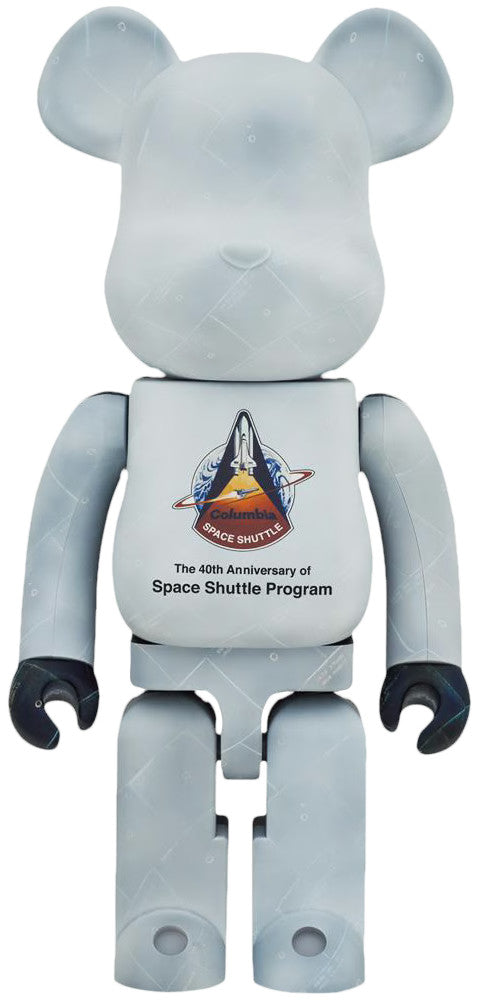
BE@RBRICK NASA Space Shuttle 40th Anniversary 1000% Medicom Toy Bearbrick
$600.00 USD
-
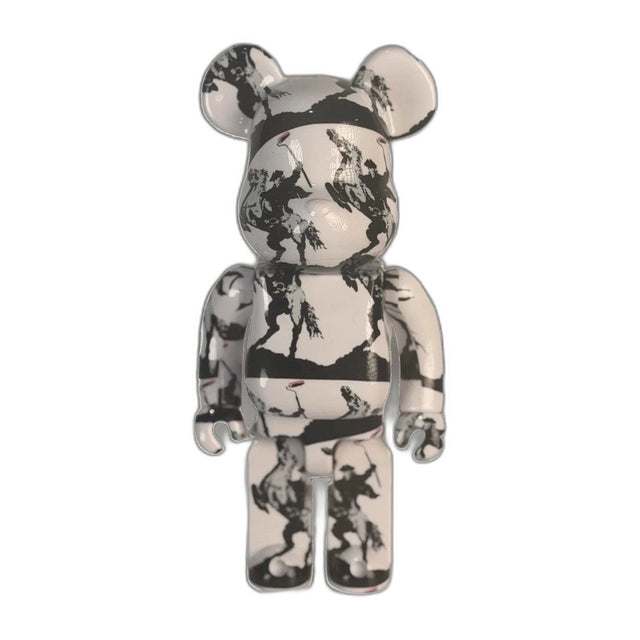
BE@RBRICK Brandalism Sync Banksy Medicom Toy Art Figure du-al.io Authenticated
$199.00 USD
-
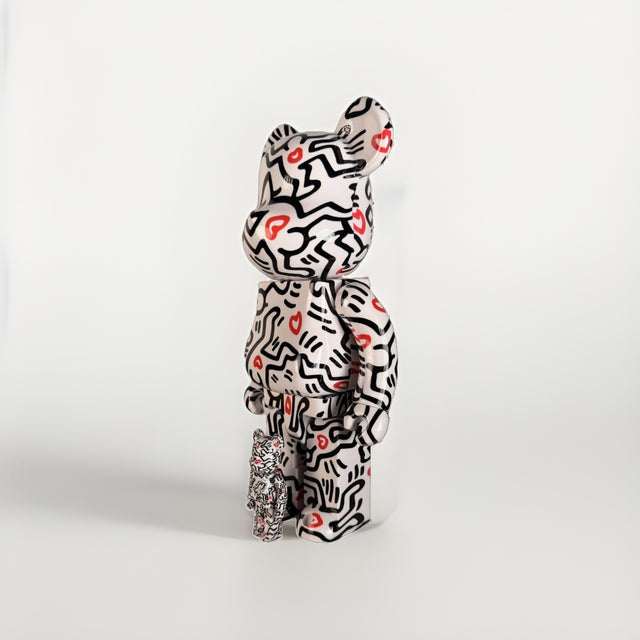
BE@RBRICK Keith Haring 400% + 100% Set Medicom Toy Bearbrick Foundation Art New
$199.00 USD
-
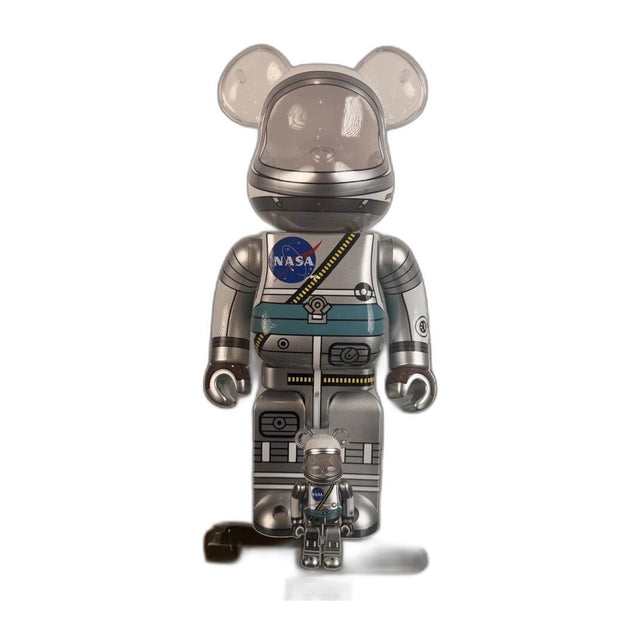
Bearbrick BE@RBRICK Mercury Astronaut 400% 100% Set NASA Medicom Toy Sealed New
$225.00 USD
-
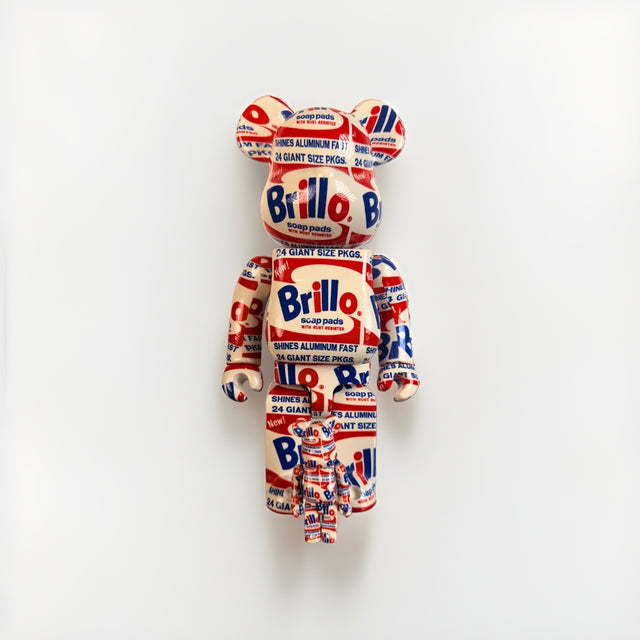
Bearbrick BE@RBRICK Andy Warhol Brillo 400% 100% Set Original 2020 Medicom New
$275.00 USD
Browse the collection for current listings.