
An original Japanese BE@RBRICK price needs a currency, a tax basis, and a description of what was sold. Without those, two accurate numbers can produce a misleading comparison.
Gauntlet Gallery’s BE@RBRICK Master Index retains those distinctions where supported. Its original quotes are historical source information. They do not represent current gallery prices, verified US MSRP, or the amount you should expect to pay for a resale listing.
Read the words around the amount
The Daft Punk White Suits 400% announcement quotes ¥13,800 before tax for a two-pack. The Coin Parking Delivery × Sesame Street announcement quotes ¥32,780 including tax for an explicitly named four-figure set.
Those are different purchase units and different tax treatments. Ranking the figures by the bare numbers would discard both distinctions. Nor can the higher set price be divided into equal component prices and presented as each bear’s official retail price. The manufacturer quoted a package.
| Source detail | What to preserve |
|---|---|
| JPY amount | The original yen figure |
| Tax included or excluded | The wording attached to that quote |
| Set, two-pack, or individual | The original purchase unit |
| Named version | The release the amount describes |
If a price heading and a more specific statement in the body differ in scope, read the full page. A title can group multiple products while the amount applies to each, to one size, or to a complete pack.
Keep comparison arithmetic separate
You can calculate an exchange-rate conversion for your own budget. Label its rate and date, and keep the original JPY quote beside it. The result remains your conversion of a Japanese price. It does not become a manufacturer-confirmed American retail price.
The same applies to a hypothetical per-piece average. It may help you understand a package, but it cannot establish what the components cost separately or how a buyer should divide their resale value. Different figures within a set need not attract equal demand.
For a purchase decision, build another column for the seller’s actual offer. Include what is present and any quoted shipping or fees. The existing retail-versus-secondary-market guide addresses that broader comparison. Here, the narrower task is keeping the manufacturer’s original quote meaningful.
Use the index filters as a research shortcut
Filter by currency and quote basis before adding price bounds. Then inspect the returned sale units. A low amount may belong to a small individual release, a lottery draw, or another documented format; it should not be treated automatically as the cost of a complete collection.
Unknown prices should stay unknown. A promotional purchase condition, admission payment, or accompanying merchandise price needs its own context. Filling a blank with one of those amounts creates apparent precision at the cost of meaning.
Save the source link with any price you quote outside the index. That lets a reader check the tax and unit for themselves. The practical objective is modest: make sure the amount still describes the same purchase by the time it reaches your notes, comparison table, or seller inquiry.
Index status: This index is in beta and may contain errors, missing information, or display issues. We’re continuing to review and improve it.
Browse the gallery’s BE@RBRICK collection for current listing details.
Shop BE@RBRICK
Explore current pieces available from the gallery.
-
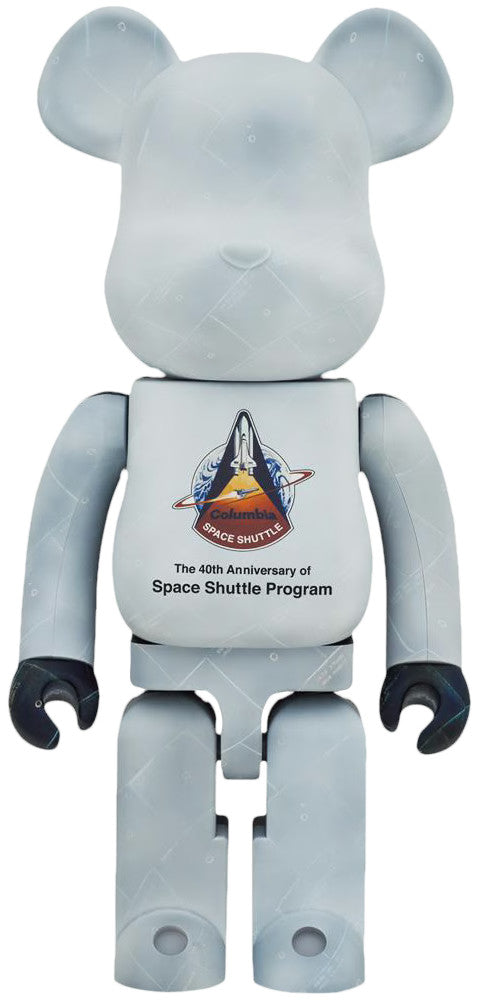
BE@RBRICK NASA Space Shuttle 40th Anniversary 1000% Medicom Toy Bearbrick
$600.00 USD
-
BE@RBRICK Brandalism Sync Banksy Medicom Toy Art Figure du-al.io Authenticated
$199.00 USD
-
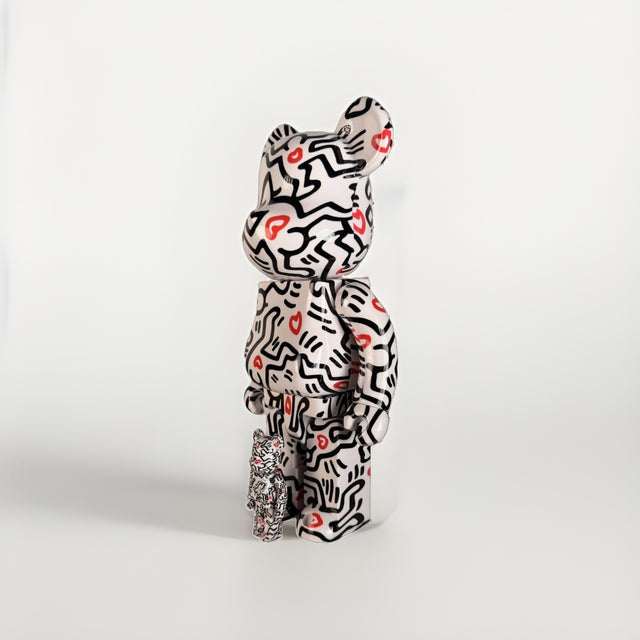
BE@RBRICK Keith Haring 400% + 100% Set Medicom Toy Bearbrick Foundation Art New
$199.00 USD
-
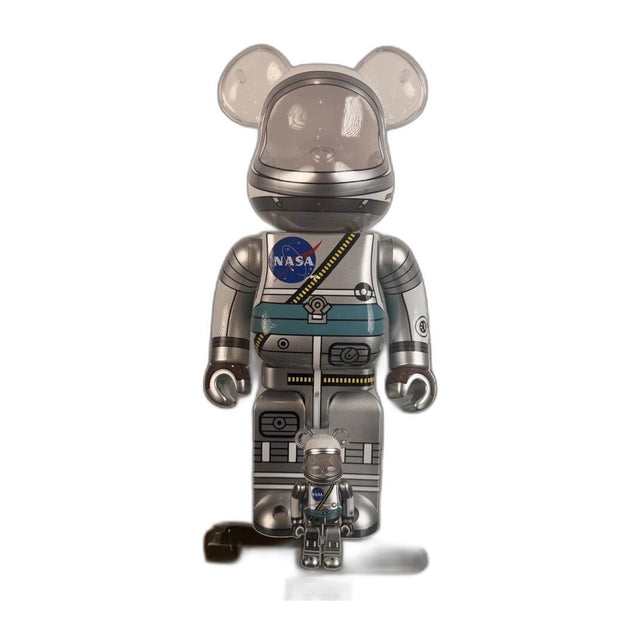
Bearbrick BE@RBRICK Mercury Astronaut 400% 100% Set NASA Medicom Toy Sealed New
$225.00 USD
-
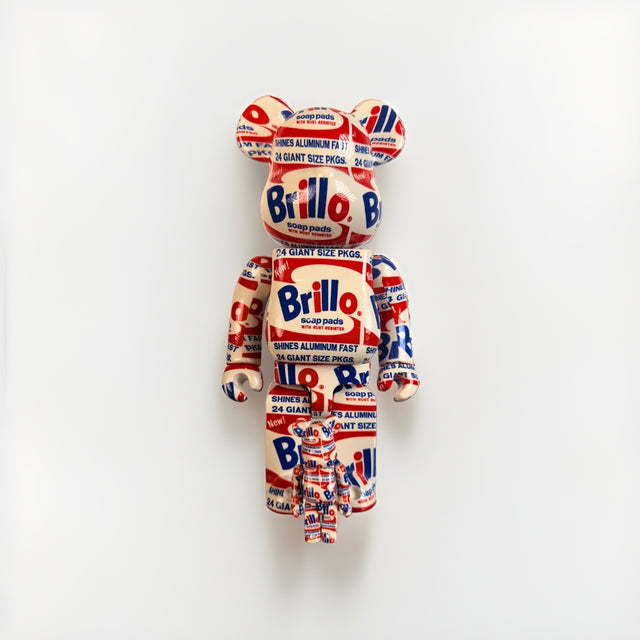
Bearbrick BE@RBRICK Andy Warhol Brillo 400% 100% Set Original 2020 Medicom New
$275.00 USD
Browse the collection for current listings.