
Keith Haring BE@RBRICK version numbers are useful identifiers, but they should not become a substitute for reading the date and distribution wording. The #9 and #10 announcements show why a collector should keep those facts in separate fields.
Both are named 100% and 400% sets. Their version labels distinguish the products; their source pages provide the particular schedules and sales context.
Higher numbering does not settle every chronology question
Medicom’s Haring #9 page specifies a ninth version and April 2023 planned release/shipping wording. The Haring #10 page carries a 2G-exclusive label and January 2023 planned release wording. Each quotes ¥13,200 including tax.
Those source statements should be preserved as written. Reordering the dates because #10 seems as though it must come later would replace the documents with an assumption. Equally, the announcements alone do not explain every aspect of development or distribution history.
The #11 page provides another distinct reference, with December 2023 wording. It can extend your version ledger without resolving the reasons behind the earlier numbering and scheduled dates.
Build a version ledger with separate columns
A practical record has a version label, original configuration, source schedule, and source link. Add a separate column for confirmed sale evidence if you later collect it. Keep your own acquisition date elsewhere.
The BE@RBRICK Master Index gives you shareable details for #9 and #10. Those links are particularly useful when a seller uses only “Haring bear” in a headline.
For a version-focused collection, decide whether you require each complete set or just one nominal size from each release. That is a boundary you can apply consistently. A photographed 400% component does not establish that its matching smaller figure is included in the offer.
Avoid turning distribution labels into quantity claims
The 2G wording on #10 is specific sales context. It does not disclose a numerical production run. A seller’s use of “exclusive” should lead you back to that context, rather than to an inferred count or a guaranteed premium.
The equal historical quotes are also limited evidence. They describe the original announced sets. They do not establish equal demand, equal surviving supply, or an amount a particular used example should command today.
For a purchase, request views that identify the offered version and show both figures if the set is advertised as complete. Keep the reference images and actual-item photographs distinct. The manufacturer notes that the pictured sample may differ from the final product, so use the announcement for identification without demanding that every sample detail act as an authentication rule.
Haring collectors can also use the gallery’s existing interior article for a separate display discussion. A release ledger answers the identity question before you decide where the figure belongs.
Keep the number, but let the source retain its own date. That makes the collection easier to research when a sequence is less straightforward than its labels suggest.
Index status: This index is in beta and may contain errors, missing information, or display issues. We’re continuing to review and improve it.
Browse the gallery’s BE@RBRICK collection for current listing details.
Shop BE@RBRICK
Explore current pieces available from the gallery.
-
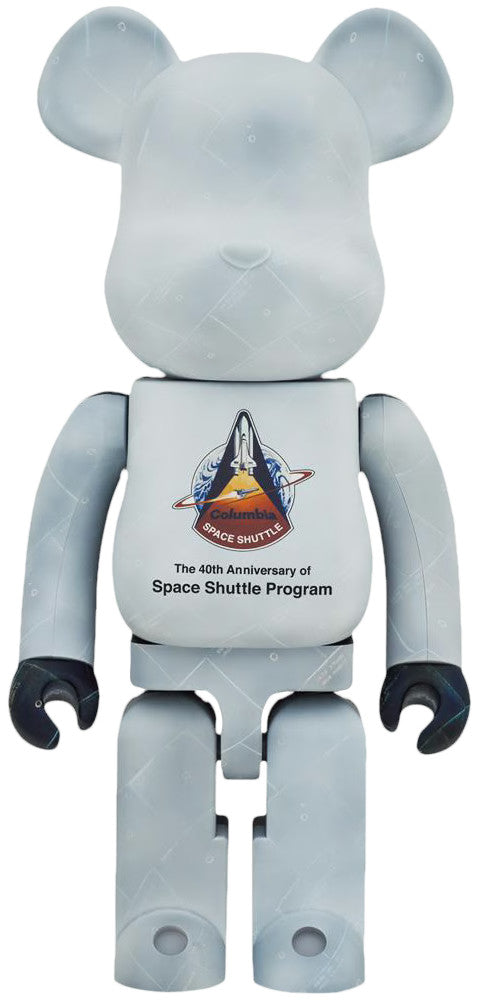
BE@RBRICK NASA Space Shuttle 40th Anniversary 1000% Medicom Toy Bearbrick
$600.00 USD
-
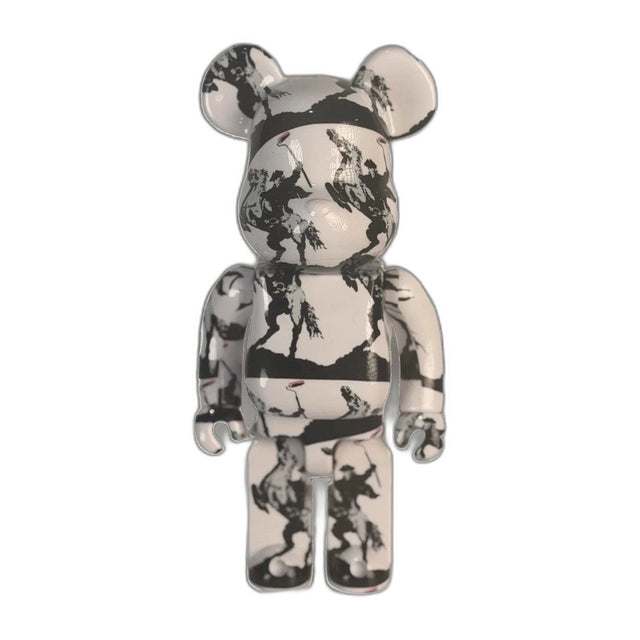
BE@RBRICK Brandalism Sync Banksy Medicom Toy Art Figure du-al.io Authenticated
$199.00 USD
-
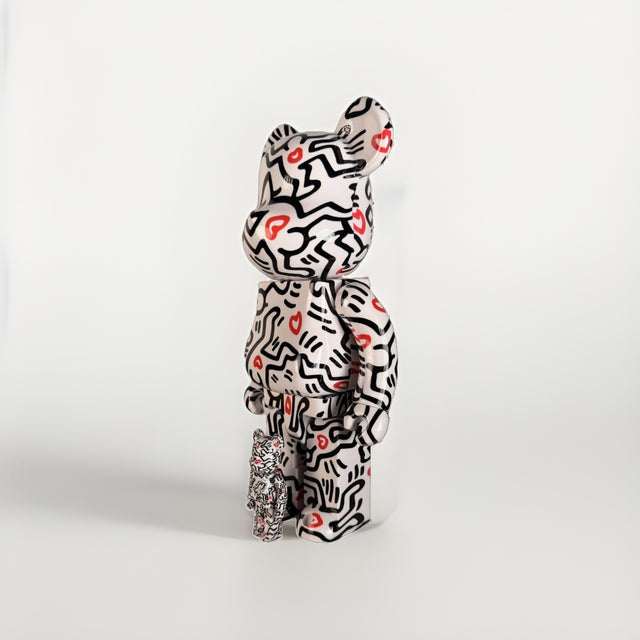
BE@RBRICK Keith Haring 400% + 100% Set Medicom Toy Bearbrick Foundation Art New
$199.00 USD
-
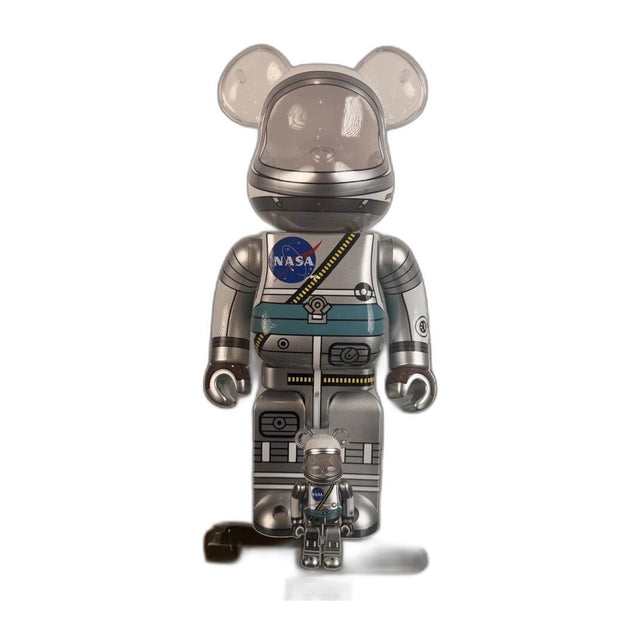
Bearbrick BE@RBRICK Mercury Astronaut 400% 100% Set NASA Medicom Toy Sealed New
$225.00 USD
-
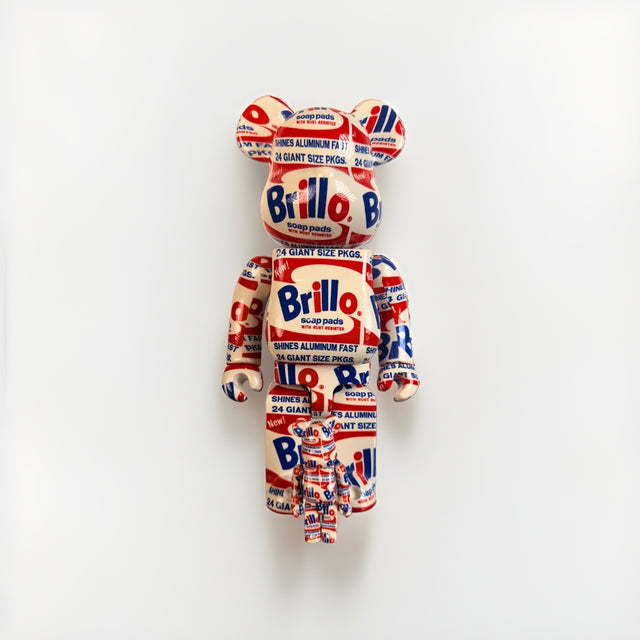
Bearbrick BE@RBRICK Andy Warhol Brillo 400% 100% Set Original 2020 Medicom New
$275.00 USD
Browse the collection for current listings.