Art in Interior Design: Trends for 2026
The clearest direction in interior design for 2026 is that art has moved from afterthought to anchor. Rooms are being built around a single collected work rather than filled with mass-produced decor, and the pieces earning wall space are increasingly authenticated street and pop art, mixed confidently with collectible figures and fine-art prints. Designers and collectors are favoring warm, tactile palettes, statement-over-clutter compositions, and provenance you can verify. In short: people want fewer, better, real objects that read as personal taste and hold their value over time. Below are the observed directions shaping how art lives in homes this year, framed as trends we are seeing rather than fixed statistics.
Why Art Became the Anchor of the 2026 Interior
For years, interiors were assembled around furniture and finishes, with art dropped in at the end to "fill" a wall. That order is reversing. The homes drawing attention now start with a collected work and let the room support it. A framed print or a sculptural figure sets the palette, the scale, and the emotional temperature, and the sofa, rug, and lighting follow.
Part of this is a reaction to sameness. When everyone can order the same mass-market print, the room stops feeling personal. Original and limited-edition works do the opposite: they signal a point of view. Part of it is durability. Well-chosen art outlasts trend cycles in a way that a fast-furniture accent piece rarely does, and it can appreciate rather than depreciate.
From decoration to collection
The mindset shift is subtle but important. "Decorating" asks what fills a space. "Collecting" asks what belongs in it. Homeowners are increasingly buying the way collectors do: researching the artist, checking authentication, and choosing pieces they can live with for years. The result is interiors that feel curated instead of merchandised.
This also changes how rooms are lit and laid out. When a work is treated as the anchor, designers plan sightlines toward it, reserve the best wall for it, and add picture lighting or position it to catch natural light. The furniture is arranged to face or frame the piece rather than to fill the floor. It is a quiet but fundamental reordering of priorities: the art comes first, and the room is built to serve it.
The Rise of Statement Street and Pop Art in Interiors
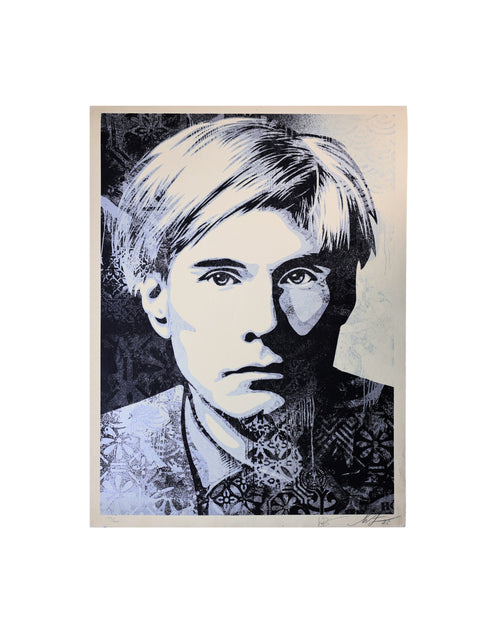
The most visible trend is the move of street and pop art from the gallery and the auction house into everyday living spaces. Bold graphic work, high-contrast imagery, and instantly recognizable visual language give a room a focal point that photographs beautifully and starts conversations. Where mid-century abstraction once dominated tasteful interiors, 2026 leans toward work with edge and cultural fluency.
This is not about shock for its own sake. The most successful rooms use one strong graphic piece as a counterweight to soft, warm surroundings, so the art reads as intentional rather than loud. A single bold print above a low, quiet sofa does more than a wall of small frames.
Why street and pop art works in the home
Street and pop art tends to have strong composition and confident color, which means it holds a wall without needing to be large. It also carries narrative — a recognizable style or motif invites a story, which is exactly what a focal point should do. For collectors, established names in this category also come with active resale markets, so the piece functions as both design and asset.
Balancing boldness with restraint
The practical rule designers are applying: let the art be the loudest thing in the room, and keep everything else calm. Neutral walls, warm woods, and quiet upholstery give a graphic work room to breathe. When the surroundings compete, the art loses.
Mixing Collectible Figures with Fine Art
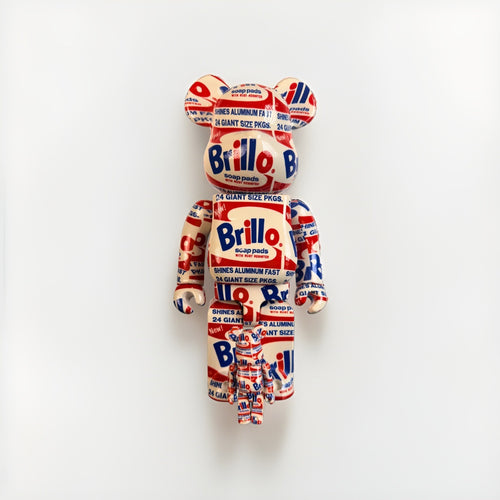
One of the defining looks of 2026 is the deliberate blend of collectible designer figures with framed fine art. A sculptural collectible on a shelf beside a serious print reads as a modern cabinet of curiosities — playful, personal, and unmistakably of-the-moment. This layering signals that the owner collects across categories rather than buying a matched set.
The key is treating the figure as sculpture, not as a toy on display. Given a dedicated shelf, good lighting, and negative space around it, a collectible figure earns the same visual respect as a bronze or a ceramic. Placed thoughtfully near a complementary print, the two pieces talk to each other.
Scale and pedestal are what elevate the look. A designer figure sitting loose on a crowded console reads as clutter; the same figure on a floating walnut shelf, a stone plinth, or inside a lit niche reads as a considered object. Odd-numbered groupings and a consistent material for display surfaces help a mixed collection feel intentional rather than accumulated. The aim is a personal cabinet of curiosities that still feels edited.
Authentication matters more when you mix categories
Mixing categories raises the stakes on provenance, because different objects authenticate differently. A framed print, a designer figure, and a signed piece each have their own chain of trust, and those chains should never be blurred together. Buyers who understand this are the ones building collections that hold value. We cover the correct chain for each category in the authentication table below.
Gallery Wall Versus Single-Hero Looks
Two compositional strategies are dominating 2026 interiors, and choosing between them is one of the first decisions in any art-forward room.
The single-hero look
The single-hero approach places one large, confident work as the undisputed focal point of a wall or room. It suits open, minimal spaces and rewards a strong piece with real presence. It is also the more forgiving choice for collectors who own one exceptional work rather than many, and it photographs cleanly for the way people share their homes today.
The gallery wall
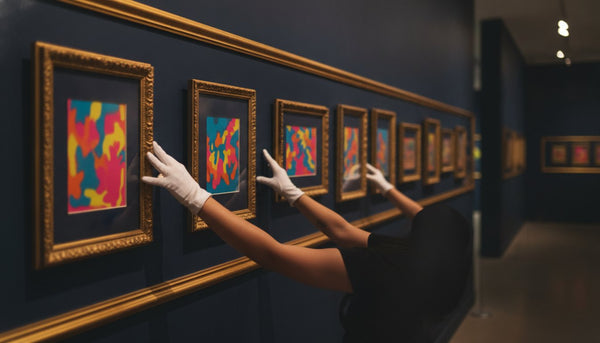
The gallery wall groups multiple works into a composed cluster. Done well, it tells a layered story and lets smaller or more affordable pieces add up to impact. Done poorly, it becomes visual noise. The 2026 version is more disciplined than the dense, everything-goes walls of a few years ago: tighter editing, more breathing room, and a unifying thread — a shared palette, frame style, or subject — holding the group together.
How to choose
As a rough guide, high-ceilinged or minimal rooms tend to favor a single hero, while hallways, stair walls, and cozier rooms can carry a well-edited gallery grouping. Many collectors do both: a hero piece in the main living space and a curated cluster in a secondary area.
| Consideration | Single-Hero Look | Gallery Wall |
|---|---|---|
| Best for | Open, minimal, high-ceiling rooms | Hallways, stair walls, cozier spaces |
| Collector fit | One exceptional work | Several smaller or mixed works |
| Visual risk | Piece must be strong enough to carry the wall | Can become cluttered without tight editing |
| Flexibility | Harder to change once framed and hung | Easy to add to or rearrange over time |
| 2026 direction | Calm surroundings, one bold focal point | Disciplined, edited, unified by a shared thread |
Sustainable, Authenticated Buying Over Mass Posters
A quieter but significant shift is the move away from disposable, mass-produced posters toward fewer, authenticated pieces. Buyers are increasingly asking what a work actually is — original, limited edition, or open-run reproduction — and whether its authenticity can be verified before it goes on the wall.
This is partly an aesthetic choice and partly a values one. A single authenticated work that lasts decades is a more sustainable purchase than a stream of cheap prints that are replaced every season. It also protects the buyer: verified provenance is what separates a genuine collectible from a look-alike, and it is what preserves resale value.
Authentication is category-specific — never mix chains
The most important rule for any buyer building an art-forward home is that authentication is not one-size-fits-all. Each artist and category has its own chain of trust, and mixing or substituting them is exactly where fakes and confusion enter the market. The table below summarizes the correct chain by category as we apply it at Gauntlet Gallery.
| Category / Artist | Correct Authentication Approach |
|---|---|
| Shepard Fairey works | Provenance-based; verified through documented sourcing rather than a third-party certificate |
| Banksy works | Handled only through the artist's official authentication body |
| KAWS and designer figures | Certificate paired with a modern digital-tag chain of authenticity |
| DEATH NYC pieces | Accompanying certificate with an official seal |
| Andy Warhol works | Verified through a dedicated authentication chain |
| Signed music memorabilia | Third-party authentication from recognized industry authorities |
The practical takeaway: before you buy, ask which chain applies to the specific piece, and make sure the seller can produce it. A confident, verifiable answer is a good sign. A vague one is a reason to walk away. Our collector resources walk through what to check for each category.
Color and Material Pairings Defining 2026
The palette of 2026 is warm, earthy, and tactile — a deliberate move away from the cool grays and stark whites of the previous decade. Terracotta, ochre, deep clay, and muted sage are recurring, paired with natural materials that add depth and a sense of permanence.
Warm neutrals as a backdrop for art
Limewash and plaster walls in soft, warm tones are increasingly popular precisely because they flatter art. A textured, earthy wall gives a framed work a gallery-like ground without competing with it. Against that backdrop, a bold street or pop piece reads as the intended focal point.
Materials that add weight and warmth
The materials pairing well with art this year lean natural and substantial: travertine and stone, aged brass, walnut and warm woods, and textured textiles like boucle. These surfaces give a room the tactile, collected quality that mass-produced interiors lack, and they hold up over time — echoing the same fewer-but-better logic driving the art choices.
Metal finishes are trending warm as well. Aged and unlacquered brass, bronze, and antique gold frames complement earthy walls far better than the cool chrome and matte black of recent years, and they tie a framed work into the room's material story. When choosing a frame, the guidance designers are following is to let the frame agree with the room's metals and the art's mood rather than defaulting to stark black — a warm float frame around a bold graphic print, for instance, softens the contrast just enough to feel collected rather than commercial.
Pairing art to palette
A useful approach is to pull one or two colors from a hero artwork and echo them softly in the room — a cushion, a throw, a ceramic — so the art feels integrated rather than dropped in. The goal is conversation between the piece and the space, not a matched set.
Art as Both Design and Investment
Perhaps the most consequential trend is the growing recognition that art is simultaneously a design decision and a financial one. Buyers are increasingly thinking about a work's market as well as its look — not to trade it like a stock, but to make choices that are unlikely to lose value and may appreciate.
This is where authentication and design intersect. A verified piece from an artist with an active market is both a better object to live with and a more resilient store of value than an anonymous reproduction. The same due diligence that protects you as a buyer also protects the work as an asset.
Buying with both eyes open
Thinking like a collector does not mean chasing prices. It means choosing pieces you genuinely want to live with, from categories with real markets and verifiable provenance, and keeping the documentation that supports them. That combination — taste plus provenance — is what turns a purchase into a collection. For readers who want to go deeper on the market side, our financial insights resources track how these categories behave over time.
Where to start
A practical entry point is to choose one category you are drawn to, learn its authentication chain, and buy one strong, verified piece rather than several unverified ones. From there, layer in a collectible figure or a complementary print as your eye develops. Browsing an edited, authenticated selection — such as our pop art collection or the full catalog — is a low-pressure way to train your taste before committing. For a broader view of how to build an art-forward home, our art index gathers the categories and guides in one place, and our companion piece on authenticated art as home decor covers styling that protects value.
Frequently asked questions
What are the biggest art and interior design trends for 2026?
The leading directions are art becoming the anchor of the room rather than an afterthought, the rise of statement street and pop art in living spaces, deliberate mixing of collectible designer figures with fine art, a preference for single-hero focal points and disciplined gallery walls, a shift toward authenticated buying over mass posters, and warm earthy palettes paired with natural materials. Across all of them runs a fewer-but-better, collect-don't-decorate mindset.
Is a single large artwork or a gallery wall better for 2026?
Both are current, and the right choice depends on the space and your collection. A single-hero work suits open, minimal, high-ceilinged rooms and collectors who own one exceptional piece. A gallery wall suits hallways, stair walls, and cozier rooms, and lets several smaller works add up to impact. The 2026 gallery wall is more edited and disciplined than the dense clusters of previous years, unified by a shared palette, frame, or theme.
How do I mix collectible figures with fine art without it looking cluttered?
Treat the figure as sculpture, not as a toy. Give it a dedicated shelf, good lighting, and negative space, and place it near a complementary framed work so the two pieces relate to each other. Keep the surrounding surfaces calm so the pairing reads as intentional. Editing is everything — one well-placed figure beside a strong print beats a crowded shelf.
Why does authentication matter when buying art for my home?
Authentication is what separates a genuine collectible from a look-alike, and it is what preserves both your confidence and the work's resale value. It is also category-specific: different artists and object types have different chains of trust, and those chains should never be mixed or substituted. Before buying, ask which authentication approach applies to the specific piece and make sure the seller can produce it.
What colors and materials define 2026 interiors?
The palette is warm and earthy — terracotta, ochre, deep clay, and muted sage — a move away from cool grays and stark whites. These pair with natural, substantial materials: travertine and stone, aged brass, walnut and warm woods, and textured textiles like boucle. Warm limewash and plaster walls are especially popular because their soft texture flatters framed art and gives it a gallery-like backdrop.
Can art be a good investment as well as decoration?
Art can function as both, though it should be approached as a considered choice rather than a quick trade. A verified piece from an artist with an active market is both a better object to live with and a more resilient store of value than an anonymous reproduction. The due diligence that protects you as a buyer — verifying authenticity and keeping documentation — is the same practice that protects the work as an asset. Choose pieces you genuinely want to live with, from categories with real markets and verifiable provenance.