Introduction
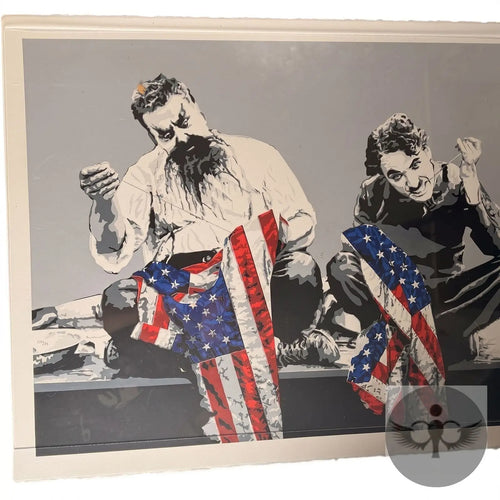
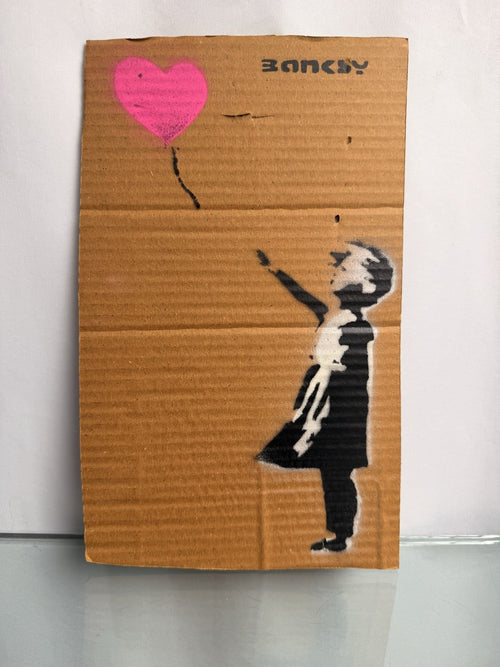
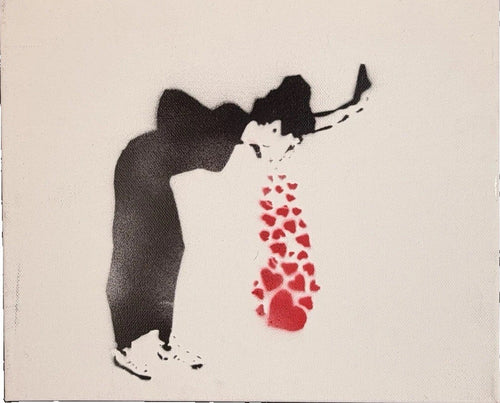
Street art, once seen as an act of rebellion, has matured into a recognized sector of the global art market. Former graffiti-covered walls in inner cities are now iconic destinations for tourists, while works by artists like Banksy or Shepard Fairey command six-figure sums at premier auction houses.1 This article dives deep into the rise of street art, key market trends, and why collectors—especially newcomers—are tapping into its growing potential.
1. From Subculture to Mainstream
Early Roots: Street art emerged from graffiti movements in late 1960s New York. Hip-hop culture propelled it, with artists tagging subway trains and building exteriors.
Mainstream Recognition: By the 1990s and early 2000s, galleries began showcasing graffiti-inspired pieces. Museums in the U.S. and UK started featuring urban artworks in dedicated exhibitions.
Cultural Impact: Many brands leverage street art aesthetics for marketing, causing a surge in demand for these artists and helping legitimize the genre.
"Street art is a pulse-check of a city's culture, reflecting the raw, unfiltered voice of the people." – Urban Art Studies Journal2
2. Financial Growth & Auction Sales
Record-Breaking Sales: In 2008, Banksy's "Keep It Spotless" sold for $1.87 million at Sotheby's—an eye-opener for investors worldwide.3
Emerging Street Artists: This surge also benefits lesser-known street artists who are beginning to appear at major auctions for four to five-figure sums.
Global Hotspots: While the U.S. remains a focal point, street art hubs in London, Berlin, and Hong Kong have launched local talents into the global spotlight.
3. Market Drivers
Social Media & Accessibility: Platforms like Instagram offer global exposure, bridging collectors directly with artists.
Crossover Collaborations: Street artists collaborating with high-end fashion (e.g., Louis Vuitton) or major events (e.g., the Olympics) bring commercial visibility.
Cultural Relevance: Pieces often reference social or political movements, resonating with younger generations seeking "art with a message."
4. Risks & Rewards for New Collectors
Volatile Pricing: Auctions can be unpredictable; an artist's fame can skyrocket or dwindle quickly.
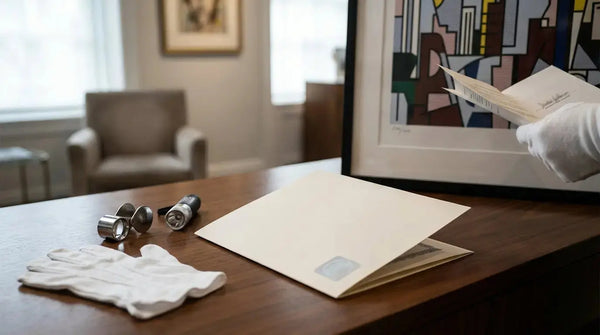
Authenticity Concerns: Street art is often reproduced, so verifying provenance is crucial (see Canvas 14 on COAs and blockchain).
Upside Potential: Many emerging street artists now sell at moderate entry prices but may follow in the high-profile footsteps of icons like Shepard Fairey and Banksy.
5. Tips for Entering the Market
- Research the Artist's Reputation: Track exhibition history and social media buzz.
- Verify Provenance: Always seek authenticated pieces or recognized documentation.
- Follow Auctions & Galleries: Online platforms often have lower entry points for novices.
- Connect with Communities: Forums, local street art tours, and collector groups provide education and networking.
Conclusion
The street art market shows no signs of slowing down, with growing institutional recognition and rising collector demand. Whether you're a casual fan eyeing an affordable print or a serious investor targeting the next big name, the sector offers vibrant possibilities.
Internal Link Suggestion: For a deeper look at emerging street artists to watch, see our article on "Other Influential Street Artists."
Footnotes:
1 Artnet News, "Banksy and the Rise of Graffiti Art at Auction," published 2020.
2 Urban Art Studies Journal, Vol 12, 2019.
3 Sotheby's Auction Records, 2008.