Before buying a KAWS TIME OFF BFF figure, inspect five things in this order: the packaging (an authentic example should come with its original printed box, and a factory-sealed example is the strongest starting point), the vinyl itself (crisp sculpt lines, clean paint application, and tidy seams), the production markings (KAWS vinyl releases carry consistent copyright and production stamps, so compare them against verified examples), the paperwork and provenance (purchase records, original order confirmations, and any authentication documentation), and finally the seller (their track record, return policy, and willingness to provide additional photos). For a KAWS or BE@RBRICK purchase, check the individual listing for release-specific packaging, production marks, condition and provenance. Manufacturer NFC is relevant only on releases that include it; a certificate alone does not establish authenticity.
That is the short answer. The longer answer is what this guide is for. TIME OFF is one of the most charming releases in the KAWS vinyl catalog — the BFF character caught in a rare moment of rest — and its popularity means it circulates heavily on the secondary market. Heavy circulation is good news for buyers: it means plenty of verified reference examples exist, plenty of recent sales to compare against, and plenty of reputable sellers competing for your business. It also means you should know exactly what to look at before you commit. Below, we walk through every inspection point, from the shrink wrap on the box to the paperwork in the seller's inbox, so you can buy your TIME OFF figure with total confidence.
What Is the KAWS TIME OFF Figure?
TIME OFF is a vinyl figure release from KAWS, the American artist Brian Donnelly, featuring his BFF character in a relaxed, reclining pose — a playful departure from the standing and seated poses that define much of his figure catalog. The title says it all: this is BFF taking a break, and collectors responded to the warmth of the concept immediately.
BFF itself is one of the most beloved characters in the KAWS universe. Introduced as a furry, wide-eyed companion figure with the artist's signature X-ed out eyes, BFF has appeared across plush editions, vinyl figures, and monumental sculpture. When KAWS translates a character like BFF into a new pose or format, demand tends to follow — and TIME OFF is a clear example of that pattern.
Like most contemporary KAWS vinyl releases, TIME OFF was produced as an edition and sold through official channels, with examples typically arriving in printed retail packaging designed specifically for the release. We deliberately avoid quoting edition sizes or colorway lists from memory here — the accurate move, and the one we recommend to every collector, is to verify the specific production details of the exact example in front of you against release documentation and verified references. Our KAWS Figurine Index catalogs the vinyl release landscape and is a good starting point for placing TIME OFF within the broader catalog.
Why does the background matter for an inspection? Because everything you check on a KAWS figure — packaging, stamps, paint, paperwork — only means something when compared against how the authentic release actually shipped. Knowing that TIME OFF is a documented, officially released edition tells you that verified reference examples exist and that any example you are offered can be checked against them. That is the foundation of every step that follows.
Step 1: Inspect the Packaging First
With collectible vinyl, the box is not an afterthought — it is part of the collectible, part of the authentication picture, and a major component of resale value. Start here.
Sealed versus opened
A factory-sealed example is the strongest starting point for any KAWS vinyl purchase. The seal tells you the figure inside has never been handled, swapped, or displayed, and the market consistently rewards sealed examples over opened ones.
That said, opened examples are entirely legitimate to buy — many collectors open their figures to display them, and an opened TIME OFF with complete packaging and good provenance is a perfectly sound purchase. The key with an opened example is that the inspection burden shifts: you now need to look more closely at the figure itself, confirm the box and figure actually belong together, and weigh the completeness of the packaging in the price you are willing to pay. Our KAWS Packaging Guide walks through the packaging conventions of KAWS releases era by era and is worth reading in full before any purchase.
What to check on the box
- Print quality. Official KAWS packaging is professionally produced: sharp text, accurate color, clean registration. Blurry printing, washed-out color, or fuzzy edges on artwork and logotypes are immediate reasons to slow down and ask more questions.
- Structural quality. Authentic boxes are made from sturdy stock with clean die-cuts and precise folds. Flimsy card, rough edges, or misaligned assembly are inconsistent with official production.
- Condition. Corner wear, crushing, sun-fading, moisture damage, and price-sticker residue all affect value even when the figure inside is perfect. Note every flaw and factor it into the price.
- Consistency with verified examples. Compare the box layout, text placement, and artwork against photos of verified examples of the same release. Packaging for a specific release is standardized — meaningful deviations matter.
- Interior fit. Official packaging includes an interior tray or insert molded or cut to hold the figure securely. A figure rattling loose in a generic box, or an insert that does not match the figure's pose, suggests a marriage of parts that did not start life together.
The shrink wrap question
If a figure is presented as sealed, look at how it is sealed. Factory shrink wrap is applied tightly and evenly, with neat machine folds. Loose, wrinkled, or bubbled wrap, heavy glue lines, or wrap that looks hand-finished should prompt a simple question to the seller: can you tell me the history of this example? A reputable seller will answer happily and in detail. Re-wrapping is not inherently sinister — but an example represented as factory-sealed should actually be factory-sealed, and you are entitled to ask.
Step 2: Inspect the Figure Itself
If the example is opened — or once you open a sealed one — the figure is where the real inspection happens. KAWS vinyl is produced to a high manufacturing standard, and that standard is your benchmark.
Sculpt and proportions
The TIME OFF sculpt captures BFF at rest, and the pose is precisely engineered — the way the limbs sit, the angle of the head, the drape of the body. Authentic production vinyl reproduces the sculpt with sharp, confident detail. When examining any example, look at:
- Line sharpness. The sculpted details — the X motifs, the facial features, the texture of the character's surface — should be crisply defined, not soft or mushy. Unauthorized copies are typically cast from molds taken off finished figures, which loses detail generation by generation.
- Proportions. Compare the overall silhouette against photos of verified examples from multiple angles. Copies often drift subtly in proportion — a head slightly too large, limbs slightly thin — in ways that are hard to describe but easy to see side by side.
- Size. Confirm the figure's measurements against the documented dimensions for the release. A figure that measures meaningfully off from spec is telling you something.
Paint application
Paint is where production quality shows most clearly. On authentic KAWS vinyl, color separation lines are clean and consistent, painted details like the eyes are precisely placed and symmetrical, and the finish is uniform across the figure. Inspect under good, even light and look for:
- Wobbly or bleeding edges where two colors meet;
- Asymmetry in the facial details or X motifs;
- Thin, patchy, or gritty paint coverage;
- Drips, orange-peel texture, or overspray;
- Color tones that look off compared with verified photos — though always account for lighting and camera differences when comparing images online.
One honest caveat: mass-produced vinyl does have tolerances. Small factory variances — a minute paint fleck, a faint seam — exist even on unquestionably authentic figures. The question is never "is this figure absolutely perfect?" but "is the overall production quality consistent with official manufacture?" A single tiny flaw on an otherwise crisp figure is a condition note; soft detail and sloppy paint across the whole figure is a different conversation entirely.
Vinyl quality and seams
Pick the figure up if you can. Authentic KAWS vinyl has a substantial, quality feel — the weight, the surface finish, and the joint tolerances all reflect premium production. Mold seams, where present, are subtle and consistent. Rough flashing, sharp seam ridges, a hollow or overly light feel, or a chemical smell from cheap plastic are all inconsistent with official production standards.
Production markings
KAWS vinyl figures carry production markings — typically including copyright text and production information, commonly found on the underside or base of the figure. We will not enumerate exact stamp text here, because the correct practice is not memorizing a stamp: it is comparing the markings on the example in front of you against the markings on verified examples of the same release. Check that the markings are present, that the text is crisply molded or printed rather than blurry, and that the content and placement match verified references. Our KAWS Authentication Guide covers how to run this comparison properly, and our How to Spot a Fake KAWS guide goes deeper on the red-flag patterns to watch for across the catalog.
Step 3: Verify the Paperwork and Provenance
A figure does not authenticate itself in isolation — its history does a great deal of the work. Provenance is the documented chain of ownership from original purchase to the present day, and for a modern release like TIME OFF, that chain can be remarkably complete.
What good provenance looks like
- Original purchase records. An order confirmation or receipt from an official sales channel is the gold standard — it ties this specific example to a legitimate original sale.
- A coherent ownership story. "I bought it at release and it has been in my collection since" is a story that can be supported with records. Vague or shifting stories are worth probing.
- Consistent photography. Photos of the actual example — not stock images — from multiple angles, including the underside markings and all sides of the box. Any seller unwilling to provide these is not a seller you need.
- Authentication documentation. Independent documentation that travels with the piece.
Questions to ask any seller
- Where and when was this example originally purchased, and is there a receipt or order confirmation?
- Is the figure sealed, and if opened, when and by whom?
- Can you photograph the production markings and every face of the box?
- What authentication documentation accompanies the piece?
- What is your return policy if the piece arrives not as described?
The pattern of answers matters as much as any single answer. Confident, specific, documented responses are the signature of a legitimate seller. Evasion, irritation, or "trust me" in place of documentation are your cue to walk — there will always be another TIME OFF.
Step 4: Evaluate the Seller
Who you buy from is an inspection point in its own right, and arguably the one that protects you most.
| Seller signal | What you want to see | Why it matters |
|---|---|---|
| Track record | Established history selling collectible art and figures, with reviews or feedback you can read | A reputation built over years is the strongest single predictor of a clean transaction |
| Specialization | Demonstrated knowledge of KAWS releases specifically — accurate listings, correct terminology, detailed condition notes | Specialists catch problems generalists miss, and their listings reflect it |
| Documentation | Authentication paperwork, provenance records, and original packaging offered proactively | Sellers with nothing to hide document everything without being asked |
| Photography | High-resolution photos of the actual example from all angles, including markings and box | Stock photos tell you nothing about the piece you will receive |
| Return policy | A clear, written policy covering items not as described | A seller confident in their piece has no reason to refuse recourse |
| Pricing | Asking prices in line with recent verified sales | Prices dramatically below the verified market are the oldest warning sign in collecting |
That last row deserves emphasis. The single most reliable buyer protection in this category is price realism. Authentic, in-demand KAWS figures trade in an active, well-documented market, and nobody knowingly sells meaningfully below it. When a deal looks dramatically better than every recent verified sale, the most likely explanation is that you are not being offered what you think you are being offered. Check recent comparables before you evaluate any asking price — our KAWS Price Guide explains how we read the KAWS market, and our Financial Insights hub covers comp-reading methodology across every category we handle.
How We Approach It at Gauntlet Gallery
We built our process around the exact inspection framework in this guide, because it is the framework that actually protects collectors.
When we price a KAWS figure, that price reflects what verified examples have actually traded for recently — not what an aggregator scraped from asking prices, and not what a hopeful listing suggests. We encourage every collector to demand the same rigor from any seller: documented sourcing, verifiable authentication, and pricing you can trace to real sales. You can browse our current KAWS collection and the wider figurines collection to see how we present each piece, and our full library of buyer's guides applies this same framework to every category we handle. Compare the exact KAWS release, colorway, pose, edition and condition using dated completed sales. Broad archive totals and another edition’s performance do not establish an item’s resale value.
Condition Grading: What Actually Affects Value
Once authenticity is established, condition drives the price conversation. Here is how the main condition tiers compare for a release like TIME OFF:
| Condition tier | Description | Market position |
|---|---|---|
| Factory sealed, pristine box | Never opened, shrink wrap intact, box corners sharp | The benchmark; commands the strongest prices |
| Sealed, box wear | Unopened but with corner wear, dings, or sticker residue | Trades below pristine sealed; discount scales with the wear |
| Opened, complete, displayed carefully | Figure excellent, all packaging present, minimal handling | Solid collector tier; most displayed collections live here |
| Opened, flaws or incomplete packaging | Paint wear, scuffs, sun-fading, or missing box/insert | Trades at a clear discount; every flaw should be priced in |
Two practical notes. First, vinyl is sensitive to ultraviolet light over time — a figure displayed for years in direct sun can discolor, and fading is effectively irreversible. Inspect coloration carefully on any opened example, comparing shaded and exposed surfaces. Second, completeness compounds: the box, the insert, and any accompanying materials each contribute to the piece's market standing, and their absence is cumulative. When in doubt about how a specific flaw affects value, compare recent verified sales of examples in similar condition rather than guessing.
Caring for Your TIME OFF Figure After Purchase
The inspection mindset should not end at the point of sale — the way you store and document your figure protects both its condition and its future resale story.
- Keep everything. The box, the insert, the shrink wrap if you open it carefully, the receipt, the shipping confirmation. Every piece of material and paper strengthens the provenance chain for the next owner.
- Control light. Display away from direct sunlight and strong UV sources. If the figure sits near a window, UV-filtering glass or film is a worthwhile investment.
- Control climate. Stable, moderate temperature and humidity protect both vinyl and packaging. Attics, garages, and basements are the classic mistakes.
- Handle minimally. Oils from skin can mark matte vinyl surfaces over time. Handle with clean hands or gloves, and by the body rather than the limbs.
- Document your ownership. Photograph the piece and its packaging when it arrives, keep your purchase records organized, and store authentication documentation securely.
Collectors who do this well are effectively building the provenance file that will make their example the easy, confident purchase for the next buyer — which is exactly what strong resale outcomes are made of. For a deeper treatment of records and provenance practice, our Collector's Hub gathers our full library of resources, and the Collector's Glossary defines every term you will meet along the way.
The Complete Pre-Purchase Checklist
Print this, or keep it open on your phone, and work through it before money moves:
- Confirm the release. Verify that the figure being offered matches the documented TIME OFF release — character, pose, colorway, and dimensions — against verified references and release documentation.
- Inspect the packaging. Print quality, structural quality, condition, interior fit, and — if represented as sealed — the character of the shrink wrap.
- Inspect the figure. Sculpt sharpness, proportions, paint edges and symmetry, vinyl quality, seams, and overall production feel.
- Check the production markings. Present, crisp, and consistent with verified examples of the same release.
- Demand real photos. The actual example, all angles, underside, and every face of the box. No stock images.
- Trace the provenance. Original purchase records, a coherent ownership history, and authentication documentation that travels with the piece.
- Vet the seller. Track record, specialization, documentation offered proactively, and a written return policy.
- Reality-check the price. Compare against recent verified sales of examples in comparable condition. Treat dramatic discounts as information, not luck.
- Confirm recourse. Understand exactly what happens if the piece arrives not as described, before you pay.
- Buy with confidence. If every box above is checked, you have done more diligence than the vast majority of buyers — enjoy the piece.
If you would rather compress steps one through nine into a single decision, that is precisely what buying from an authenticated-source dealer accomplishes: the sourcing, inspection, documentation, and pricing work is done before the piece is ever offered. Either path is legitimate — the checklist exists so that whichever you choose, you choose it with open eyes. For the broader KAWS market context beyond this one release, our KAWS Buyer's Guide is the natural next read.
Frequently Asked Questions
Is it safer to buy a sealed or an opened KAWS TIME OFF figure?
Sealed is the stronger starting point because the figure inside has never been handled or swapped, and the market prices sealed examples accordingly. Opened examples are entirely legitimate purchases, but the inspection burden shifts to the figure itself — sculpt, paint, seams, and markings — plus confirmation that the box and figure genuinely belong together.
What is the single biggest red flag when buying KAWS vinyl?
Price. Authentic KAWS figures trade in an active, well-documented market, and nobody knowingly sells far below it. An asking price dramatically under recent verified sales is the most reliable warning sign in the category — treat it as information about the piece, not as a stroke of luck.
Do I need the original box for a TIME OFF figure to hold its value?
The packaging is a genuine component of the collectible. A figure without its box remains authentic if the figure itself checks out, but it will trade at a clear discount to complete examples, and the missing packaging removes one of the easiest layers of verification. Whenever possible, buy complete.
How can I check whether the price I am being asked is fair?
Compare it against recent verified sales of the same release in comparable condition — actual completed transactions, not asking prices.
What should a seller be able to provide before I buy?
Photos of the actual example from all angles including the underside markings and every face of the box, a coherent account of where the piece came from, original purchase records where available, any authentication documentation that travels with the piece, and a written return policy. A reputable seller provides all of this willingly.
What authentication does Gauntlet Gallery provide with KAWS figures?
This gives buyers independent, verifiable documentation rather than a claim they simply have to take on trust.
How should I store a TIME OFF figure after buying it?
Keep it away from direct sunlight and UV exposure, in stable moderate temperature and humidity, handled minimally and with clean hands. Retain every piece of packaging and paperwork — box, insert, receipts, and certificates — because that material protects both the figure's condition and its provenance for any future sale.
Shop KAWS
Explore current pieces available from the gallery.
-
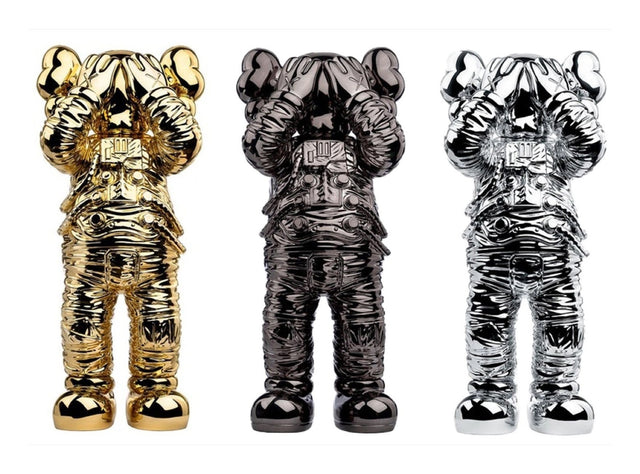
KAWS Holiday Space Set of 3 Gold Black Silver Companion Astronaut Figure Rare
$2,900.00 USD
-
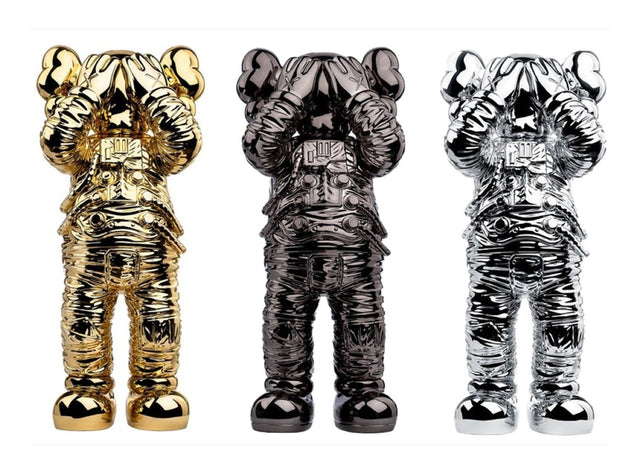
KAWS Holiday Space Set of 3 Gold Black Silver Companion Astronaut Figure
$2,900.00 USD
-
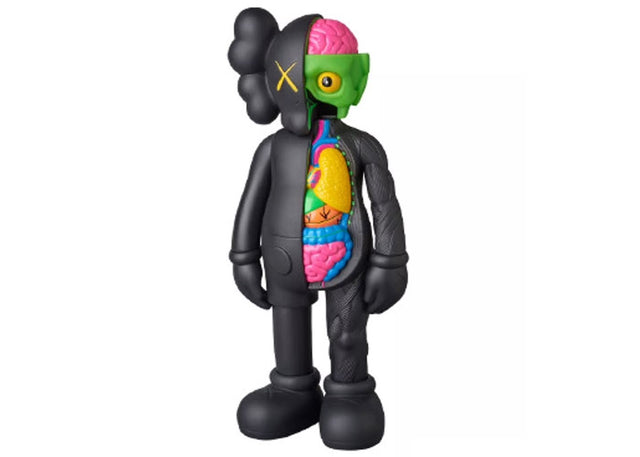
KAWS Companion Flayed Open Edition Black Medicom Toy Dissected Sealed New Figure
$599.00 USD
-
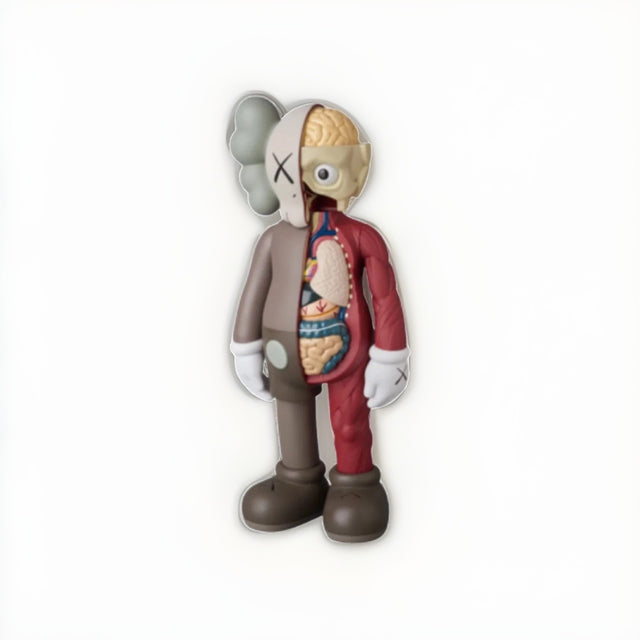
KAWS Companion Flayed Open Edition Brown Medicom Toy Dissected Sealed New Figure
$349.00 USD
-
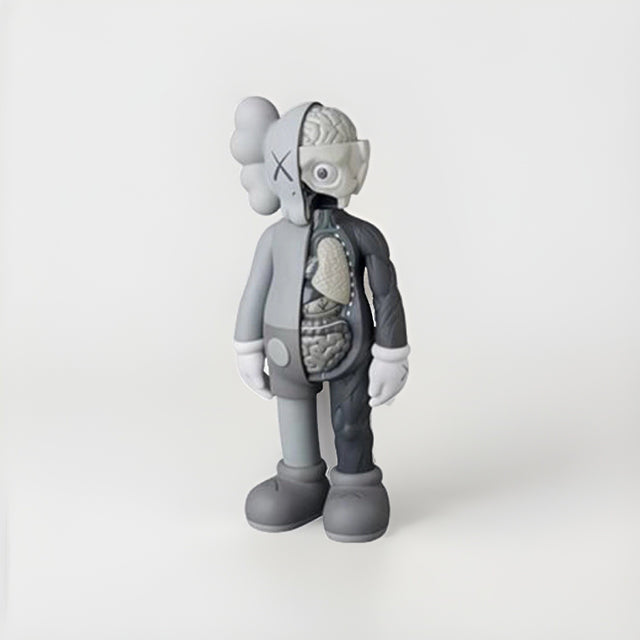
KAWS Companion Flayed Open Edition Grey Medicom Toy Dissected Sealed New Figure
$349.00 USD
Browse the collection for current listings.