
An official source URL identifies a document. It does not always identify one purchasable BE@RBRICK. Some manufacturer pages group sizes or character versions together, which means copying the page title into a single collection row can obscure what was actually offered.
The BE@RBRICK Master Index separates source references from release records. That distinction helps when the same announcement appears behind more than one result or when a single result retains unresolved grouped wording.
Look for separate product identifiers
Medicom’s Elvis Presley 100% / 400% page names two sizes and gives separate product identifiers for them. The page also distinguishes the amounts associated with the sizes. A shared URL therefore does not turn the two figures into one mixed-size retail set.
For a collection spreadsheet, retain the source URL on both targets and preserve the size in each title. If you own the smaller Elvis, that ownership entry should not imply that you also own the larger release. A source document can be shared while the objects you are tracking remain distinct.
This also changes how you interpret search results. Seeing two records with the same source link is a reason to inspect the modeling, rather than immediate evidence that the database contains a duplicate. Compare their identifiers, size, and original purchase terms first.
A list of names may describe choices
The Daft Punk Discovery 1000% announcement names Guy-Manuel de Homem-Christo and Thomas Bangalter, describes two types, and quotes a price for each. A title containing both members does not mean that its single quoted amount buys both figures.
That is different from an announcement explicitly calling the product a two-pack. The decisive evidence is the sale wording, not the number of names in a heading. Group photography can show the available choices without documenting the contents of one purchase.
If an index record preserves a grouped source title, open the source before building a precise component list. A database entry is a convenient route into the evidence; it cannot make an ambiguous source more specific merely by putting the wording into a structured field.
Write a record that survives a later check
For each candidate purchase, record the offered version, nominal size, quantity, and source URL. Keep a short note explaining whether the manufacturer described a pack, separate options, or an unresolved group. That note often matters more than another decorative keyword in the title.
When asking a seller for clarification, point to the exact source section. “Does this listing include both named members, or the one shown in the selected option?” is easier to resolve than “Is this the complete edition?” The latter can mean several different things.
Do not combine amounts across a page unless the source states that combined purchase unit. Do not assign a shared amount to every record merely because they share the URL. If the available evidence leaves the relationship unclear, preserve the uncertainty.
A document count, a release count, and the number of figures in your cabinet can all be correct while being different. Keeping the source and the purchase unit separate makes those differences understandable instead of treating them as errors to be forced into agreement.
Index status: This index is in beta and may contain errors, missing information, or display issues. We’re continuing to review and improve it.
Browse the gallery’s BE@RBRICK collection for current listing details.
Shop BE@RBRICK
Explore current pieces available from the gallery.
-
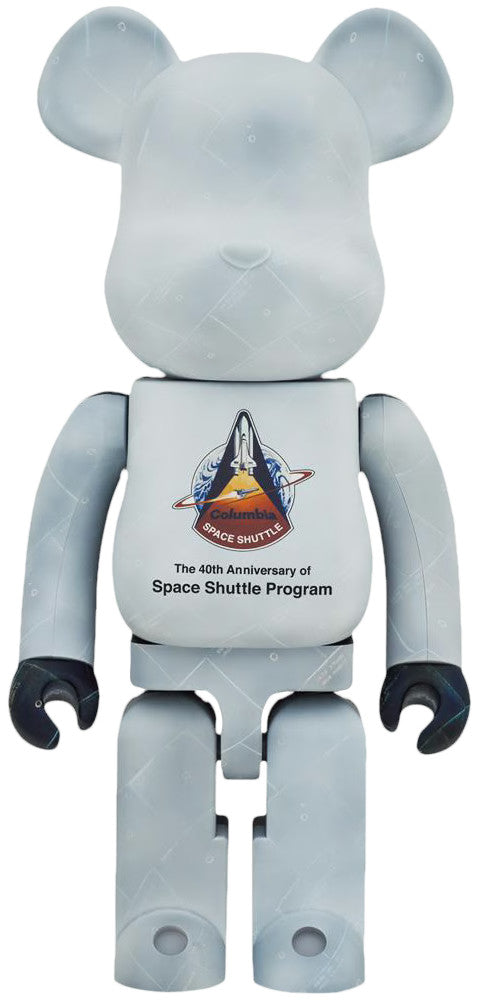
BE@RBRICK NASA Space Shuttle 40th Anniversary 1000% Medicom Toy Bearbrick
$600.00 USD
-
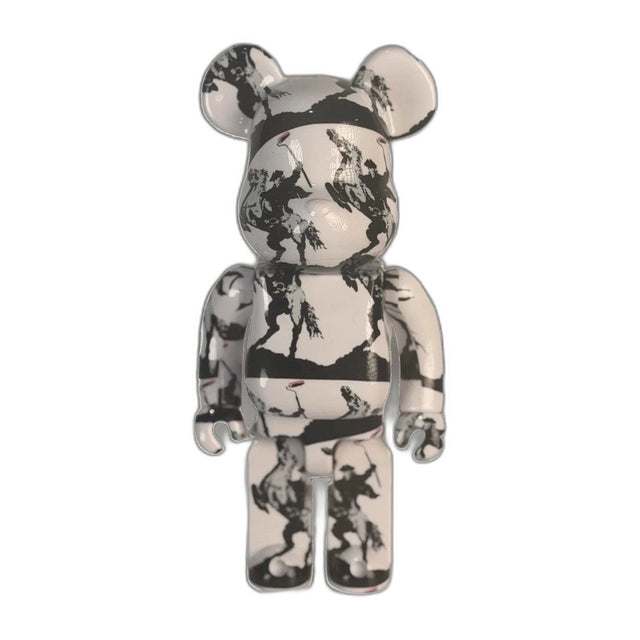
BE@RBRICK Brandalism Sync Banksy Medicom Toy Art Figure du-al.io Authenticated
$199.00 USD
-
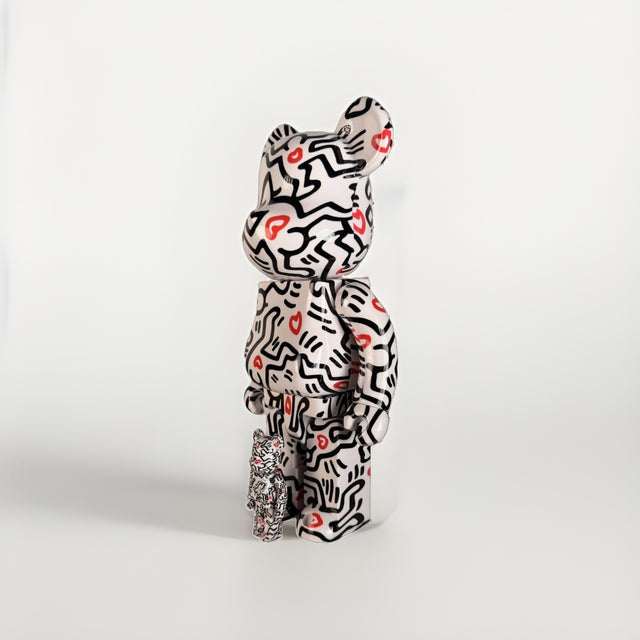
BE@RBRICK Keith Haring 400% + 100% Set Medicom Toy Bearbrick Foundation Art New
$199.00 USD
-
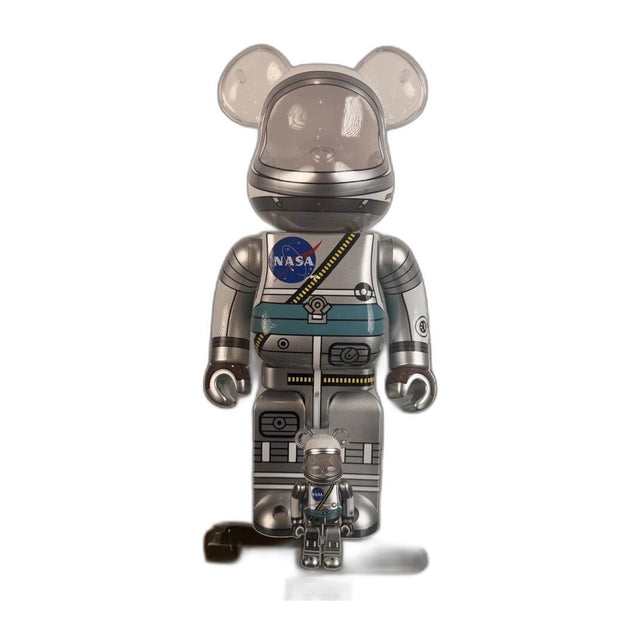
Bearbrick BE@RBRICK Mercury Astronaut 400% 100% Set NASA Medicom Toy Sealed New
$225.00 USD
-
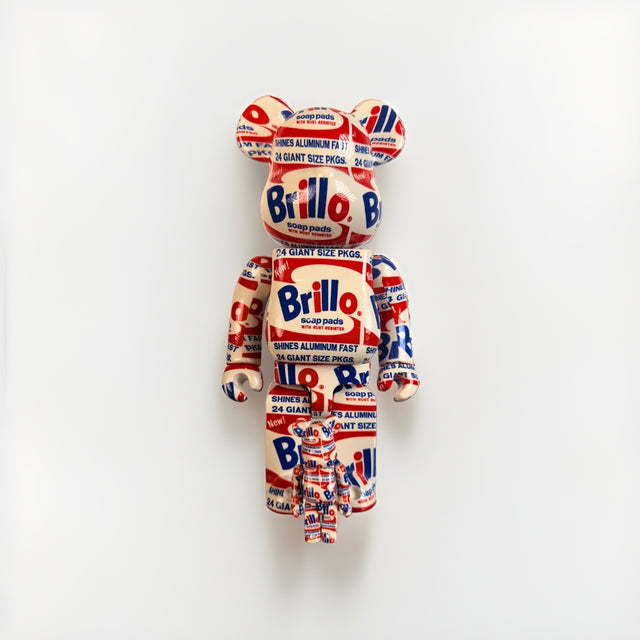
Bearbrick BE@RBRICK Andy Warhol Brillo 400% 100% Set Original 2020 Medicom New
$275.00 USD
Browse the collection for current listings.