Where to Buy Original Street Art for Your Home, by Budget
You can buy original street art for home decor from a handful of trustworthy channels: established galleries and authenticated dealers, reputable auction houses, and the artists' own official print releases. The safest path is to buy authenticated, provenance-backed limited editions from a specialist dealer rather than an anonymous marketplace listing. Prices scale with the artist, the edition size, and condition — you can start a serious collection with entry-level pieces in the low hundreds of dollars, move into mid-tier signed editions in the low-to-mid thousands, and reach investment-grade blue-chip works from there. Below we break down exactly where to buy at each budget tier, how to avoid the risky sources, and how to frame and place what you buy.
What "original street art" actually means for a home collection
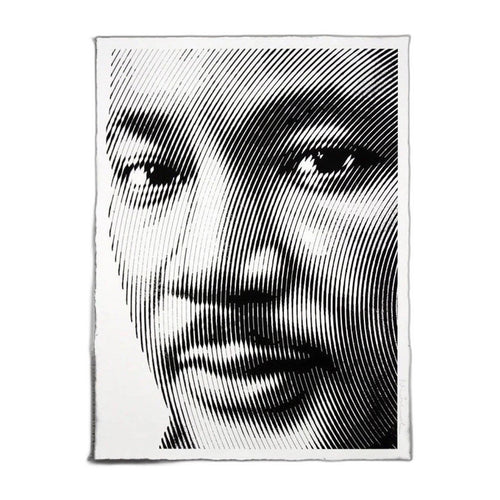
When most collectors ask where to buy original street art for home decor, they are not asking about a spray-painted wall — they are asking about the collectible works that street and urban-contemporary artists release for the wall at home: hand-pulled screenprints, signed and numbered limited editions, artist-approved figures, and the occasional unique work on paper or canvas. These are the pieces that hang in real collectors' homes and hold value over time.
"Original" in this market is a spectrum. At one end are unique, one-of-one works. Far more common — and far more accessible — are limited editions: prints produced in a fixed, disclosed run, often signed and numbered by the artist. A signed, numbered Shepard Fairey screenprint or a factory-sealed KAWS figure is every bit a legitimate collectible; it simply sits at a different price and rarity than a unique canvas. Understanding that spectrum is the first step to buying well, because it lets you match the right kind of piece to your budget.
The artists worth knowing
- Shepard Fairey (OBEY) — prolific screenprints in bold red/black/cream palettes; one of the most accessible entry points into original street art.
- Banksy — the blue-chip name; authenticated prints and works command investment-tier prices.
- Invader — mosaic-inspired editions, Rubikcubist works, and prints tied to his global "invasions."
- DEATH NYC — accessible, pop-culture mash-up prints, typically issued in small signed editions with a certificate.
- Mr. Brainwash (Thierry Guetta) — large, colorful, celebrity-driven works popularized by Exit Through the Gift Shop.
- KAWS and BE@RBRICK / Medicom — the crossover between street art and designer collectibles; figures that read as sculpture on a shelf.
You do not need to collect all of them. Most home collections cohere around one or two artists whose visual language fits the room and the collector's taste — a wall of graphic Fairey reds, a shelf of KAWS and BE@RBRICK figures, or a focused group of Invader editions. Starting narrow makes it easier to learn an artist's editions deeply, recognize what is scarce versus common, and buy with conviction rather than impulse. You can browse authenticated examples across all of these on the full Gauntlet Gallery catalog, and dig into any single artist through the reference material on the art index hub.
Where to buy authentically (and where not to)
The single most important decision you make is not which piece — it is who you buy it from. Street art is one of the most heavily counterfeited corners of the art market, so the source determines whether you are buying an asset or a problem.
Trustworthy channels
- Specialist authenticated dealers and galleries. A dealer who specializes in urban and contemporary art vets provenance, discloses edition details, and stands behind what they sell. This is the lowest-friction, lowest-risk way to buy — you get expertise, transparency, and a point of accountability. It is exactly the role Gauntlet Gallery plays across Fairey, KAWS, BE@RBRICK, Invader, DEATH NYC, Mr. Brainwash, and more.
- Reputable auction houses. Major and regional houses that handle urban art provide catalog descriptions, condition notes, and provenance. Bid with the buyer's premium in mind and read the condition report closely.
- Official artist and publisher releases. Buying a print directly from an artist's official drop or their authorized print publisher is about as clean as provenance gets — though popular releases sell out in minutes and often resell above list.
Risky sources to approach with caution
- Anonymous marketplace listings with no provenance, vague photos, or a seller who cannot answer basic edition questions.
- "Signed" pieces with no certificate, no documentation, and a price that seems too good. A discount usually reflects a discount in certainty.
- Social-media DMs and pop-up "galleries" that pressure you to pay quickly off-platform.
- Open-edition posters marketed as limited editions. These are fine as decor but should be priced as decor, not as collectible investments.
Authentication varies by artist — know the standard before you buy
There is no single certificate that covers all street art. Each artist has its own accepted standard, and a good dealer will tell you which applies:
- Shepard Fairey — Fairey editions do not come with an artist-issued COA; authenticity rests on provenance and dealer trust. You are buying the chain of custody and the reputation of who sells it to you, so source discipline matters most here.
- DEATH NYC — pieces typically ship with a certificate of authenticity and a gold seal.
- KAWS & BE@RBRICK — collectibles in this space are best supported by third-party verification such as TrueCOA.
- Signed music and memorabilia (an adjacent category many collectors mix in) — look for Beckett, JSA, or PSA authentication.
- Space and Apollo memorabilia — provenance plus recognized specialists.
The universal principle underneath all of these: buy from a reputable source, insist on transparent edition and condition information, and prefer pieces whose authentication chain matches the artist's accepted standard. For a deeper walkthrough of how to vet a specific artist, the Gauntlet Gallery buyer's guides break the process down artist by artist.
Buying by budget: the three tiers
The most useful way to plan a home collection is by budget tier. Below is a practical framework. Treat the figures as conservative ranges — actual prices vary meaningfully by artist, edition size, signature, and condition — and use them to decide where to shop and what to expect at each level.
| Tier | Typical budget | What you can buy | Best sources | What to prioritize |
|---|---|---|---|---|
| Entry | ~$150–$800 | Small signed editions (e.g., DEATH NYC), accessible Fairey prints, sealed standard-size figures, open/large-edition works on paper | Authenticated dealers, official drops, vetted auction lots | Condition, transparent edition size, a real point of accountability |
| Mid | ~$800–$5,000 | Signed & numbered Fairey and Invader editions, sought-after KAWS/BE@RBRICK figures, mid-run urban prints | Specialist dealers and reputable auction houses | Provenance, edition desirability, framing that protects value |
| Investment | ~$5,000 and up | Blue-chip Banksy prints, scarce large-format editions, unique works | Established galleries and major auction houses only | Airtight provenance, professional condition reports, long horizon |
Entry tier (~$150–$800): start smart, learn the market
This is where most home collectors should begin, and it is a genuinely great place to build taste and confidence. At this level you are typically buying accessible signed editions and factory-sealed figures. DEATH NYC is a natural entry point — small signed editions that ship with a certificate and gold seal, pop-culture imagery that reads well on a wall, and prices that let you buy a real signed piece without overextending. Many Shepard Fairey prints also live in or near this band, and a standard-size sealed figure can anchor a shelf for a few hundred dollars.
What matters most in the entry tier is discipline, not spend. Buy from a source that will tell you the edition size, show honest condition photos, and stand behind the sale. A $300 piece bought carelessly from an anonymous seller is a worse decision than a $700 piece bought from a dealer who documents everything. Browse the current entry-friendly inventory across the catalog and use the buyer's guides to sanity-check any piece before you commit.
Mid tier (~$800–$5,000): where home collections get serious
The mid tier is the heart of a well-built home collection. Here you are buying signed and numbered editions from artists with genuine secondary-market demand — a numbered Fairey screenprint, an Invader edition or Rubikcubist work, a sought-after KAWS or BE@RBRICK figure. These are pieces that look like art on the wall, carry documented editions, and have a track record of holding — sometimes growing — value.
At this level, three things move the needle. First, provenance: the cleaner and more documented the chain of custody, the better. Second, edition desirability — a lower edition number, a more iconic image, or a scarcer colorway will always be worth more than a common variant of the same artist. Third, condition — a print with fresh, uncreased margins, no fading, and no restoration will outperform a comparable piece with visible wear, sometimes dramatically. This is the tier where working with a specialist dealer pays for itself, because they can steer you toward the editions that hold value rather than the ones that merely look similar, and flag condition issues an untrained eye would miss.
It is also the tier where patience is rewarded. Iconic images by in-demand artists come up for sale regularly; there is rarely a reason to overpay in a hurry. If a specific edition is your target, learn its typical range, watch a few sales, and buy when a clean example appears at a fair number rather than chasing a hyped listing. For a sense of how specific editions have performed over time, the store's Financial Insights pages provide market context grounded in real comparable sales rather than asking prices.
Investment tier (~$5,000 and up): blue-chip and beyond
At the investment tier you are buying names like Banksy — authenticated prints and scarce editions that function as both décor and store of value. The rules tighten accordingly. Buy only from established galleries and major auction houses; insist on airtight provenance and a professional condition report; and treat the purchase with a long horizon. A single missing link in the provenance chain matters far more here than at any other tier, both for resale and for insurance. Note the authentication distinction: Banksy's authentication is handled through Pest Control (his official body), and no other artist in this list shares that chain — never let a seller blur those lines.
Framing and placement (protect the piece, elevate the room)
How you frame and hang street art affects both how it looks and how well it holds value. A few durable principles:
Framing that protects value
- Use UV-protective glazing (glass or acrylic). Screenprints and works on paper fade with sunlight; UV glazing is cheap insurance for an appreciating asset.
- Insist on acid-free, archival materials. Acid-free mats and backing prevent the yellowing and "mat burn" that ruin a print's condition — and condition is a major driver of value.
- Prefer reversible mounting. Hinged or corner-mounted works can be removed without damage; avoid permanent dry-mounting on collectible editions.
- Keep original packaging and documentation. For figures, the box and any certificate are part of the value; store them safely rather than discarding them.
Placement in the home
- Avoid direct sunlight and high-humidity walls (bathrooms, above radiators). Indirect light preserves color.
- Hang at eye level — roughly 57–60 inches to the center of the piece is the standard gallery height.
- Let bold work breathe. Street art is graphic and high-contrast; give a statement print clear wall space rather than crowding it.
- Group thoughtfully. Figures read best on a clean shelf or in a case; a salon-style wall of smaller prints can make an entry tier collection feel intentional and curated.
A simple buying checklist
- Set your tier first. Decide your budget band before you fall in love with a specific piece.
- Vet the source. Buy from an authenticated dealer, reputable auction house, or official release — never an anonymous, undocumented listing.
- Match the authentication to the artist. Provenance/dealer trust for Fairey; COA + gold seal for DEATH NYC; TrueCOA for KAWS & BE@RBRICK; Pest Control only for Banksy.
- Confirm edition and condition. Get the edition size, the number, and honest condition notes in writing.
- Frame archivally. UV glazing, acid-free materials, reversible mounting.
- Keep the paperwork. COAs, receipts, and original packaging support resale and insurance.
If you want a guided path rather than a checklist, the Collector's Hub pulls together the tools, guides, and market context in one place.
Frequently asked questions
Where can I buy original street art for home decor?
Buy from authenticated specialist dealers and galleries, reputable auction houses, or artists' official print releases. These channels provide provenance, transparent edition details, and a point of accountability. Avoid anonymous marketplace listings and social-media sellers who cannot document what they are selling. Gauntlet Gallery is an authenticated dealer covering Fairey, KAWS, BE@RBRICK, Invader, DEATH NYC, Mr. Brainwash, and more.
How much does original street art cost?
It spans a wide range. Entry-tier signed editions and sealed figures often start in the low hundreds of dollars (roughly $150–$800). Mid-tier signed and numbered editions typically run about $800–$5,000. Investment-grade blue-chip works, such as authenticated Banksy prints, generally start around $5,000 and climb from there. Actual prices vary by artist, edition size, signature, and condition.
Is a limited-edition print still "original" art?
Yes. A hand-pulled, signed, and numbered limited-edition screenprint is a legitimate original collectible — it is simply produced in a fixed, disclosed run rather than as a one-of-one. Edition size, signature, and condition determine its rarity and value. Open-edition posters, by contrast, are best treated as decor rather than investment pieces.
How do I know a street art piece is authentic?
Match the authentication to the artist and buy from a reputable source. Shepard Fairey works rely on provenance and dealer trust rather than an artist COA; DEATH NYC pieces come with a certificate and gold seal; KAWS and BE@RBRICK collectibles are best supported by third-party verification like TrueCOA; and Banksy authentication runs exclusively through Pest Control. Never mix authentication chains between artists, and always confirm edition size and condition in writing.
What is the best budget to start collecting?
Most home collectors should start in the entry tier (about $150–$800), where accessible signed editions and sealed figures let you learn the market without overextending. Prioritize buying from an accountable source over chasing the lowest price. As your taste and confidence grow, move into the mid tier for signed, numbered editions with stronger secondary-market demand.
How should I frame street art to protect its value?
Use UV-protective glazing, acid-free archival mats and backing, and reversible mounting so the piece can be removed without damage. Avoid direct sunlight and high-humidity walls, hang at eye level (about 57–60 inches to center), and keep all original packaging and documentation, which support both resale and insurance.
Buy & authenticate with confidence
Original street art belongs on the walls of real homes, not just in auction catalogs — and with a little discipline about where you buy, it is more accessible than most people assume. Set your tier, buy from an authenticated source, match the authentication standard to the artist, and frame archivally. When you are ready to start, browse authenticated, provenance-backed pieces across every budget in the full Gauntlet Gallery catalog, sharpen your eye with the artist-by-artist buyer's guides, ground your expectations in real market data on Financial Insights, and use the Collector's Hub as your home base for buying with confidence.