The Pop Art Movement, Explained for Collectors
Pop art is a movement that emerged in the mid-1950s in Britain and the late 1950s and 1960s in the United States, built on a simple but radical idea: the imagery of everyday commercial life — advertising, comic strips, product packaging, celebrity photographs, and mass media — is worthy subject matter for serious art. Where earlier modern movements had prized inner emotion and abstraction, pop artists such as Andy Warhol, Roy Lichtenstein, and Richard Hamilton turned outward to consumer culture, borrowing its look and its methods. The movement developed out of postwar prosperity and the explosion of mass media, matured through the 1960s into one of the most recognizable styles in art history, and later branched into the neo-pop and street-pop work of artists like Shepard Fairey, KAWS, Takashi Murakami, DEATH NYC, and Mr. Brainwash. For collectors, pop art remains one of the most approachable and actively traded corners of the market — but buying it well depends on understanding both its history and how authenticity is established for each artist.
This guide covers where pop art came from, the ideas that define it, how it evolved into today's neo-pop and street-pop, and what those origins mean when you actually buy a piece.
What Is Pop Art? A Working Definition
Pop art is a visual art movement that draws its subject matter and often its techniques from popular and commercial culture. The term is generally attributed to critics writing in Britain in the mid-1950s, describing an emerging interest in mass culture among a circle of artists, architects, and writers. Rather than inventing new imagery, pop artists appropriated images that already saturated daily life and re-presented them as art.
Three qualities tend to run through the movement:
- Recognizable, everyday imagery. Soup cans, comic panels, road signs, product logos, and famous faces — things the audience already knew by sight.
- Commercial techniques and aesthetics. Silkscreen printing, bold flat color, hard outlines, and the dot patterns of cheap commercial printing were embraced rather than hidden.
- A cool, often ambiguous attitude. Pop art frequently sits between celebration and critique of consumer society, leaving interpretation open.
Pop Art vs. the Movement That Preceded It
Pop art is best understood as a reaction. In the years just before it, gestural abstraction dominated the avant-garde conversation, emphasizing the artist's personal, emotional mark. Pop art deliberately went the other way: impersonal subject matter, mechanical-looking surfaces, and imagery pulled straight from the marketplace. That contrast — hand versus machine, inner feeling versus outer sign — is central to why the movement felt so provocative in its moment.
It is worth noting that pop art was not a single organized school with a manifesto and a membership list. It was a tendency that surfaced in several places at once, among artists who did not always know one another and who arrived at similar ideas independently. What united them was less a shared program than a shared instinct: that the images flooding modern life through print, film, and advertising had become the true common culture, and that art could no longer pretend those images did not exist. That loose, distributed origin is part of why pop art spread so quickly and why its influence proved so durable.
How the Pop Art Movement Developed
British Beginnings in the 1950s
The earliest stirrings of pop art are generally traced to Britain in the mid-1950s, where a group of artists and thinkers began treating advertising, Hollywood, science fiction, and consumer goods as legitimate cultural material. Richard Hamilton is among the figures most associated with this early British phase, and his work exploring the imagery of modern consumer life is often cited as a defining early statement of what pop art could be. This British current was analytical and curious about American consumer culture, often viewing it from a slight distance.
The American Explosion of the 1960s
By the early 1960s the movement had taken on a distinctly American character and scale. In the United States, pop art became closely tied to a handful of artists whose names remain synonymous with the style. Andy Warhol brought the silkscreen techniques of commercial printing directly into fine art, producing repeated images of consumer products and celebrities. Roy Lichtenstein adopted the visual language of comic books — heavy outlines, primary colors, and printed dot patterns — and blew it up to canvas scale. Other American artists worked with everyday objects, signage, and the visual noise of the modern city.
The American phase amplified pop art's defining traits: bigger, bolder, more openly engaged with fame and mass production. This is the version of pop art most people picture today, and it is the era that produced many of the movement's most iconic and heavily collected images.
From Movement to Language
By the end of the 1960s, pop art had done something unusual: it stopped being only a movement and became a shared visual language. Its techniques — appropriation, repetition, flat graphic color, and the fusion of high and low culture — were absorbed into the broader vocabulary of contemporary art. That absorption is exactly what made the later neo-pop and street-pop revivals possible.
The Core Ideas That Define Pop Art
Consumer Culture as Subject
At its heart, pop art treats the marketplace as a mirror. Product packaging, advertising, and branded goods became the raw material of art, collapsing the distance between the museum and the supermarket. The movement asked a genuinely modern question: if these images shape how we see the world, why shouldn't they hang on a gallery wall?
Repetition and Mechanical Reproduction
Repetition is one of pop art's signature devices. Repeating an image — a face, a can, a logo — echoes the way mass production and mass media multiply images endlessly. It also quietly drains a single image of its uniqueness, which is part of the point. This embrace of reproduction is why so much pop art exists as prints and editions, a fact with direct consequences for collectors.
Celebrity and Fame
Pop art arrived alongside modern celebrity culture and fed on it. Famous faces became recurring motifs, treated as products in their own right — images to be reproduced, colored, and circulated. The movement's fascination with fame reads as strikingly contemporary in an era of screens and feeds.
High Culture Meets Low Culture
Perhaps the most durable idea in pop art is the deliberate blurring of "high" and "low." Comic strips, tabloids, and packaging — long dismissed as disposable — were given the scale, seriousness, and setting of fine art. That gesture reset the boundaries of what art could be about, and it opened the door for later artists working in graffiti, illustration, and design.
Irony, Sincerity, and the Open Read
One reason pop art continues to reward attention is that it rarely tells you how to feel about its subject. A giant painting of a product can read as a celebration of abundance, a wry comment on commercialism, or simply a flat, deadpan fact — and the work often refuses to choose. This deliberate ambiguity was radical at the time and remains central to the movement's appeal. It invites the viewer to bring their own relationship to consumer culture to the piece, which is a large part of why pop imagery still feels alive decades later rather than dated. For collectors, that open-endedness is also practical: pop works tend to hold conversational and cultural weight in a room, which is one of the quieter reasons they remain desirable to live with.
Neo-Pop and Street-Pop: Pop Art's Second Life
Pop art never really ended; it evolved. From the 1980s onward, a wave of artists picked up pop's core moves — appropriation, repetition, branding, and the collision of high and low — and applied them to a new media landscape. This later current is often called neo-pop, and when it grows out of graffiti and street culture, street-pop.
The Street-Pop Lineage
Several of today's most collected artists work squarely in this tradition:
- Shepard Fairey built a practice rooted in street postering, propaganda-style graphics, and stenciled imagery, carrying pop's bold graphic language into the age of the sticker and the wheatpaste.
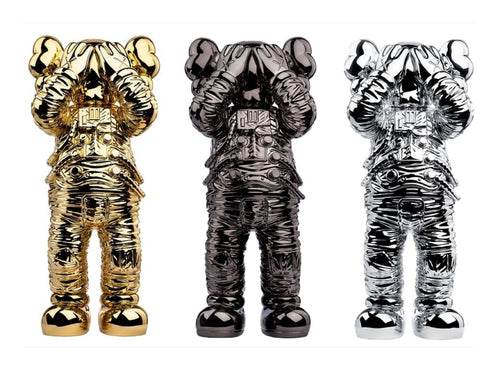
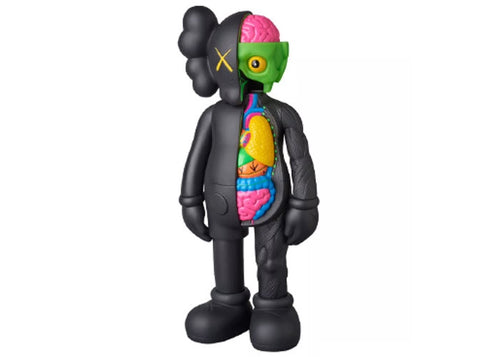
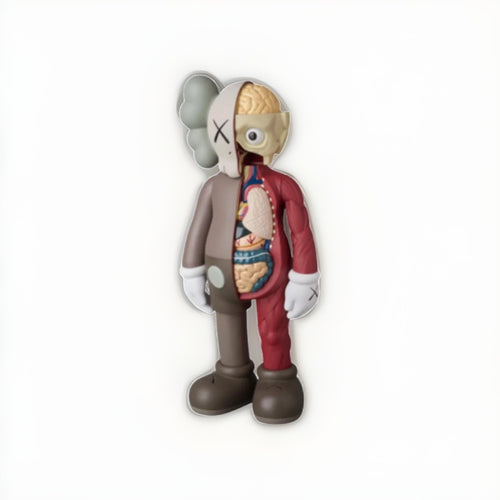
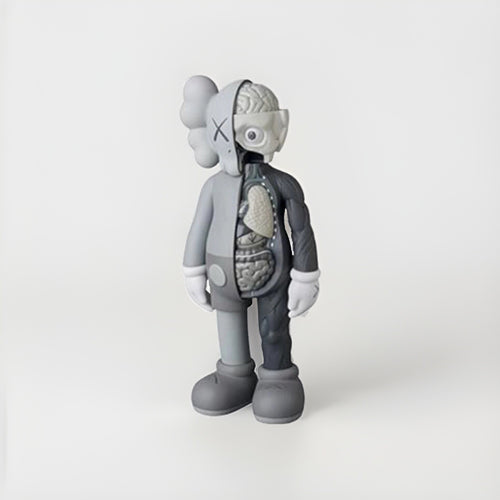
- KAWS emerged from graffiti and street culture and became known for a signature cast of characters and a fluid movement between fine art, prints, and collectible objects.
- Takashi Murakami fused fine art with the visual codes of Japanese popular culture and commercial design, extending pop's high-low fusion into a global, brand-savvy practice.
- DEATH NYC works in the appropriation-heavy, mash-up mode that pop pioneered, combining recognizable pop-culture imagery in small signed editions.
- Mr. Brainwash works in an exuberant, high-energy street-pop style that openly recycles and remixes iconic imagery from art history and pop culture.
Why the Lineage Matters to Buyers
Understanding this lineage is not just art-historical trivia. It explains why so much collectible pop and street-pop exists as signed editions, prints, and produced objects rather than one-off paintings — the movement was built on reproduction from the start. It also explains why authentication practices differ so sharply from artist to artist, which is the single most important thing a collector needs to get right.
A General Timeline of Pop and Neo-Pop
The table below is a broad, general orientation to how the movement developed and who is associated with each phase. It is a simplified map, not an exhaustive record.
| Phase | Approx. Era | Key Figures (representative) | Defining Traits |
|---|---|---|---|
| Early British Pop | Mid-1950s | Richard Hamilton and contemporaries | Analytical interest in advertising, Hollywood, and consumer goods |
| American Pop | 1960s | Andy Warhol, Roy Lichtenstein | Silkscreen, comic imagery, celebrity, large scale, repetition |
| Pop as Shared Language | Late 1960s–1970s | Wide-ranging | Appropriation and flat graphic style absorbed into contemporary art |
| Neo-Pop | 1980s onward | Takashi Murakami and peers | Branding, global media, high-low fusion, produced objects |
| Street-Pop | 1990s–present | Shepard Fairey, KAWS, DEATH NYC, Mr. Brainwash | Graffiti and poster roots, signed editions, character-driven imagery |
Why Pop Art Is Collectible Today
Instant Recognizability
Pop art is, by design, legible. Its images were built from things audiences already recognized, and its bold graphic style reads clearly across a room, a screen, or a phone. That recognizability gives pop art broad, durable appeal — it communicates immediately, which matters both for living with a piece and for its ongoing cultural relevance.
Editions Create Accessible Entry Points
Because the movement embraced reproduction, a great deal of pop and street-pop work exists as prints and editions. For collectors, this is a feature: editions create accessible entry points into artists whose unique works may be out of reach, and they create an active secondary market where pieces change hands regularly. It also means condition, edition details, and authentication carry real weight in what a piece is worth.
A Bridge Between Fine Art and Culture
Pop and street-pop sit at the intersection of fine art, design, and popular culture, which is a large part of their staying power. For a broader look at how graphically driven, culture-forward work behaves as a collectible category over time, our editorial piece on street art versus blue-chip art and which actually appreciates digs into how these categories differ. And for a data-oriented view of the market, our financial insights resources track how collectible art categories are discussed and valued.
How Collectors Buy Authenticated Pop Art
The single biggest difference between buying pop art casually and buying it well is authentication. Because pop and street-pop are edition-heavy and image-driven, they are also among the most frequently faked categories in the market. At Gauntlet Gallery, every artist is handled through a defined authentication approach appropriate to that artist — and those approaches are never mixed or substituted for one another.
Authentication Is Artist-Specific
There is no single universal certificate that covers all pop art. Different artists and estates rely on different, established methods of verification, and a responsible dealer matches the method to the artist rather than applying a one-size-fits-all claim. When you evaluate a piece, the right question is never simply "is there a certificate?" but "is this the correct, expected form of authentication for this specific artist?"
What to Look For as a Buyer
- Provenance. A clear account of where a piece came from and how it reached the current seller.
- Condition transparency. Honest disclosure of a work's physical state, since condition materially affects value in edition-based markets.
- Correct authentication for the artist. The verification method should match what is standard and expected for that specific artist — not a generic or borrowed claim.
- Consistency. Titles, edition details, and descriptions should line up across everything you are shown.
Where to Start
If you are building a pop-focused collection, a good path is to start with the category itself and narrow from there. You can browse our pop art collection to see the range of the field, explore a foundational street-pop practice through our Shepard Fairey works, or view the full range of available pieces across the gallery in the complete catalog. For orientation on how the pieces fit together as a subject, our art index maps the artists and categories we cover, and our collector resources walk through how to buy with confidence.
Frequently Asked Questions
What is pop art in simple terms?
Pop art is a movement that treats the imagery of everyday commercial and popular culture — advertising, comics, packaging, and celebrity photos — as serious art subject matter. It emerged in Britain in the mid-1950s and in the United States through the late 1950s and 1960s, and it is known for bold color, recognizable imagery, repetition, and techniques borrowed from commercial printing.
Who are the most important pop artists?
Andy Warhol and Roy Lichtenstein are the artists most closely associated with American pop art in the 1960s, and Richard Hamilton is a key figure in the movement's earlier British phase. In the later neo-pop and street-pop tradition, artists such as Shepard Fairey, KAWS, Takashi Murakami, DEATH NYC, and Mr. Brainwash carry pop's ideas into contemporary media culture.
What is the difference between pop art and neo-pop or street-pop?
Classic pop art refers to the movement that developed in the 1950s and 1960s. Neo-pop and street-pop describe later work, from roughly the 1980s onward, that revives pop's core strategies — appropriation, repetition, branding, and high-low fusion — and applies them to a newer media landscape, often growing out of graffiti and street culture.
Why is so much pop art sold as prints and editions?
Pop art embraced mechanical reproduction as a subject and a technique from the very beginning, so a large share of the work in this tradition exists as prints, signed editions, and produced objects rather than unique paintings. For collectors this creates accessible entry points and an active secondary market, but it also makes edition details, condition, and authentication especially important.
How do I know a pop art piece is authentic?
Authentication in pop and street-pop is artist-specific: different artists and estates rely on different established verification methods, and a responsible dealer matches the correct method to the specific artist rather than using a generic claim. Look for clear provenance, honest condition disclosure, the correct form of authentication for that artist, and consistent details across the listing. Because these categories are frequently faked, buying through a dealer with a defined, artist-appropriate authentication approach is the safest route.
Is pop art a good category to collect?
Pop and street-pop are among the most approachable and actively traded areas of the art market, thanks to instant recognizability and the availability of editions at a range of entry points. As with any collectible, outcomes vary and nothing is guaranteed, so the priorities are buying authenticated work, understanding condition and edition details, and collecting pieces you genuinely want to live with.