The home office, once a quiet corner, has become the central hub for many. It's where ideas are born, problems are solved, and the daily grind unfolds. Yet, too often, these spaces remain an afterthought, decorated with whatever spare pieces are on hand. This is a missed opportunity. Your workspace walls should not be passive backdrops; they should be active participants in your productivity, your focus, and your creative output. Street art, with its inherent energy and contemporary edge, offers a potent solution to this common design challenge, transforming a sterile environment into a dynamic, inspiring zone.
The key lies in understanding how art interacts with a working mind and a functional space. Unlike art in a living room, which is primarily for leisure viewing, art in an office needs to serve a dual purpose: aesthetic pleasure and practical support for concentration, motivation, and visual breaks. This means careful consideration of placement, scale, and the specific visual qualities of each piece. We are not simply filling empty wall space; we are curating a visual environment designed to enhance your work life, making the walls do some of the heavy lifting when it comes to maintaining your drive and providing necessary mental resets throughout the day.
Beyond the background: Art as an active participant
Many approach office decor as something that simply fills a void or provides a pleasant background for video calls. While these are valid considerations, they barely scratch the surface of what art can achieve in a dedicated workspace. Street art, in particular, with its bold lines, saturated colors, and often narrative or symbolic content, demands attention. It's not meant to fade into the periphery. Instead, it should be leveraged as an active participant in your daily work rhythm, a visual anchor that can either invigorate a flagging mind or provide a moment of focused distraction when you need to step away from the screen without leaving your chair.

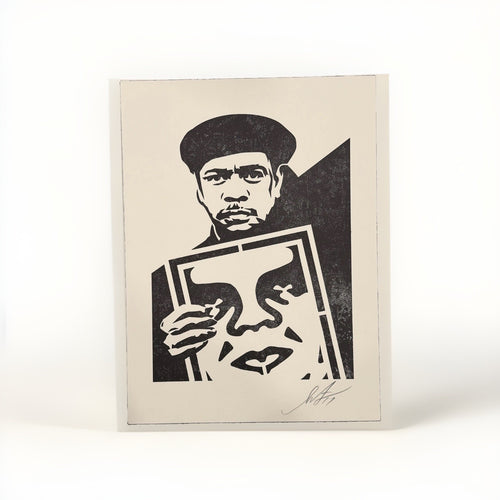
Consider the psychological impact of seeing the same blank or generic wall day after day. It contributes to mental fatigue and can stifle creativity. Introducing a powerful piece of street art, perhaps by an artist like Shepard Fairey, immediately changes this dynamic. His work often carries a strong message, inviting contemplation and providing a visual stimulus that can spark new thoughts or reinforce a sense of purpose. This isn't just about decoration; it's about creating an environment that actively supports mental agility and resilience.
The trick is to integrate these active pieces thoughtfully. They shouldn't be overwhelming or constantly vying for your attention. Instead, they should be positioned to offer a deliberate visual experience. Perhaps a large, strong piece is placed where you can easily glance at it during a brief pause, or a series of smaller works are arranged to create a narrative that unfolds as your eye travels across the wall. The goal is to make the art work for you, not against you, ensuring it contributes to a focused and energized atmosphere rather than becoming a source of visual clutter.
Defining your desk's visual field
Your desk's visual field refers to everything you see when you look up from your monitor, or simply gaze around your immediate working area. This zone is critical for maintaining focus and preventing eye strain. If this area is cluttered, bland, or contains distracting elements, your productivity will suffer. Street art can dramatically improve this visual field, but it requires strategic placement.
First, identify your primary sightlines. Where do your eyes naturally rest when you take a break from the screen? Is it directly ahead, slightly to the left, or to the right? This is where your most strong piece should reside. It should be something that offers a visual reset without demanding intense analysis. A piece with strong graphic elements or a compelling color palette can be perfect. It provides a distinct visual shift from the digital interface, allowing your eyes to refocus on something tangible and aesthetically engaging.
Avoid placing highly detailed or overly busy pieces directly in your primary peripheral vision if your work requires deep concentration. While an energetic piece is good, one that constantly pulls your attention with too many small details might be counterproductive. Instead, use these more complex works slightly further afield, perhaps on an adjacent wall, where you can intentionally engage with them during longer breaks. For the immediate visual field, consider pieces with clear lines and a strong central focus, or even abstract street art that provides color and form without demanding a narrative interpretation. The goal is to create a visual anchor that is stimulating, not distracting, a place for your gaze to land that feels both restful and inspiring.
Strategic placement for video calls
In today's remote-first world, your home office background is often your professional backdrop. It’s what colleagues, clients, and partners see. This isn't just about aesthetics; it's about conveying a sense of professionalism, personality, and thoughtful curation. Street art can be an excellent choice for this, projecting a contemporary and creative image, but careful placement is essential to avoid looking chaotic or unprofessional.
The primary rule for video call backgrounds is simplicity and clarity. While you want personality, you don't want a background that distracts from your face or what you are saying. Select one or two strong pieces that are well-lit and appropriately scaled for the camera's frame. A common mistake is to hang art too high, so only the bottom edge is visible, or too low, so your head obscures it. Aim for the center of the artwork to be roughly at eye level when you are seated, ensuring it fills a good portion of the frame without being cut off.
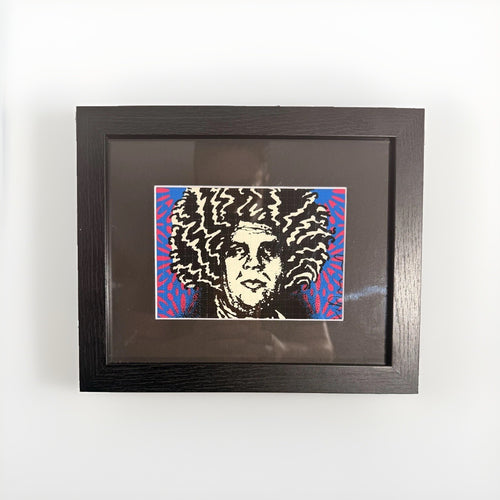
Consider the color palette. Bright, overly saturated colors can sometimes be jarring on camera, especially if your lighting isn't perfect. Opt for pieces with a balanced color scheme that complements your office furniture and your typical attire. For example, a piece by Mr Brainwash often features bold, iconic imagery and saturated colors. If you choose one of these, ensure it’s the primary focal point of your background, perhaps balanced by a simple plant or a stack of books, rather than competing with multiple other busy elements. The goal is to present a curated, intentional backdrop that enhances your professional presence, not detracts from it.
It's also worth thinking about the message the art conveys. While street art is inherently rebellious and unconventional, pieces by established artists like Mr Brainwash can convey a sophisticated appreciation for contemporary culture. Avoid anything that might be perceived as controversial or overly niche, unless your profession specifically leans into such themes. The background should subtly reinforce your brand, not become the main topic of conversation.
Managing energy and focus with art
The energy of a workspace is profoundly influenced by its visual elements. Some days you need a jolt of inspiration to kickstart a project; other times, you need a calming presence to help you focus on detailed tasks. Street art, with its incredible range of styles and themes, offers a unique opportunity to fine-tune this energy. It is not a one-size-fits-all solution; rather, it’s a versatile tool for emotional and cognitive regulation.
For high-energy, creative tasks, consider art that features dynamic compositions, strong contrasts, or even a sense of movement. Pieces that incorporate bold typography, saturated splashes of color, or compelling figurative elements can stimulate the mind and encourage out-of-the-box thinking. An artist like Cleon Peterson, with his stark, strong figures, might provide the kind of visceral energy that pushes you to tackle challenging work with resolve. Placed where it's easily visible, such a piece can act as a visual prompt to maintain momentum and drive.
Conversely, for tasks requiring sustained concentration or analytical thinking, a more subdued or abstract piece might be more appropriate. These works can offer visual interest without overwhelming the senses. Consider pieces with a more monochromatic palette, subtle textures, or repetitive patterns that can have a meditative quality. Even within street art, you can find works that lean towards a calmer, more reflective aesthetic. These pieces should be positioned where they can be seen but don't constantly demand active interpretation, allowing your mind to wander briefly and then return to the task at hand without distraction.
The beauty of a curated collection is the ability to shift the room's energy. If you have multiple walls, you might designate one wall for high-energy pieces and another for more calming works. This allows you to physically turn your chair or adjust your viewing angle to align with the mental state required for your current task. This thoughtful approach ensures your art is a true partner in managing your daily workflow, providing both a spark and a sanctuary as needed.
The power of a single reset image
Working for extended periods in front of a screen can lead to mental fatigue and a loss of perspective. It’s crucial to incorporate moments of visual and mental reset throughout the day. While taking a walk or making a cup of tea are excellent strategies, sometimes you need a quicker, more immediate mental break without leaving your desk. This is where the power of a single, carefully chosen 'reset image' comes into play.
A reset image is a piece of art positioned specifically to provide a brief, refreshing cognitive shift. It should be distinct from your background art for video calls or your general office decor. This piece should be placed directly in your line of sight when you deliberately look away from your screen. It needs to be engaging enough to capture your attention for a few moments, allowing your mind to detach from the task at hand, but not so complex that it demands prolonged analysis.
Consider a piece that offers a compelling visual narrative, a saturated burst of color, or a striking graphic. For example, a piece from the Death NYC collection often features iconic imagery with a playful, often ironic twist. Such a piece can offer a quick moment of amusement or contemplation, shifting your mental gears for a few seconds before you return to your work. The key is that it provides a complete visual departure from the digital interface, allowing your eyes to rest and your mind to briefly clear.
The ideal reset image shouldn't be too large; a medium-sized print (say, 18x24 inches or 24x36 inches) is often perfect. It needs to be clear and strong without being overwhelming. Think of it as a mental palate cleanser. By deliberately engaging with this single piece for 10-30 seconds every hour or so, you can significantly reduce mental fatigue, improve focus, and even spark new ideas that might have been hidden by screen-induced tunnel vision. It's a small but mighty tool in your productivity arsenal.
Lighting and glare control for art in a workspace
Lighting is arguably the most critical factor in displaying art effectively, especially in a home office where functional lighting for work often takes precedence. Poor lighting can diminish the impact of even the most stunning piece of street art, while glare can make it unviewable. Achieving the right balance ensures your art is always seen at its best, without interfering with your work or causing eye strain.
Natural light is always preferable, but it needs to be controlled. Direct sunlight, while beautiful, is the enemy of art. It can cause fading and damage over time, particularly to prints and works on paper. Position artwork on walls that do not receive direct, intense sunlight for prolonged periods. If this isn't possible, invest in UV-filtering window films or blinds that can be adjusted throughout the day. East-facing walls might get morning sun, west-facing walls afternoon sun; north-facing walls typically offer the most consistent, diffused natural light, making them ideal for art display.
Artificial lighting in a home office serves two purposes: task lighting for your desk and ambient lighting for the room. Art lighting should complement these. Avoid placing artwork directly under harsh overhead lights that create distracting reflections on glass or acrylic frames. Instead, consider adjustable track lighting or picture lights that can be angled to illuminate the art without causing glare. LED lights are excellent for art as they emit very little heat and are energy-efficient. Look for LEDs with a high Color Rendering Index (CRI) of 90 or above to ensure colors are accurately represented.
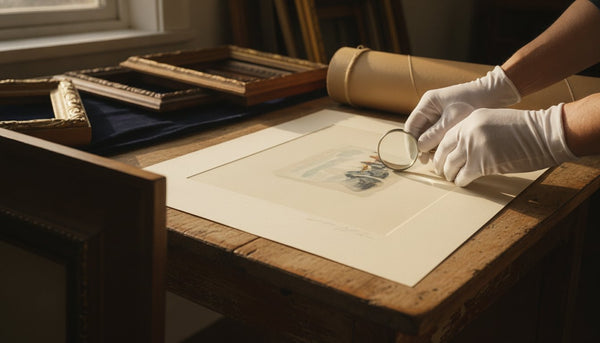
Glare control on framed art is paramount. Anti-reflective glass or acrylic, while an added expense, is a worthwhile investment for pieces in high-glare areas. This specialized glazing significantly reduces reflections, making the artwork clearer and more enjoyable to view from various angles. If using standard glass, experiment with the angle of your light sources and even the angle of the artwork itself (a slight tilt can sometimes help) to minimize reflections from windows or overhead fixtures. The goal is a clear, unobstructed view of the art, allowing its full impact to be appreciated without visual interference.
Building a collection around your workflow
A home office collection isn't built overnight, nor should it be a static entity. It should evolve with your work, your interests, and the changing demands of your professional life. Approaching it with a collector's mindset, even if you only start with one or two pieces, ensures that each addition is intentional and contributes meaningfully to your workspace environment and your overall workflow.
Start by identifying the primary functions of your office. Is it a high-energy creative hub, a quiet space for deep analytical work, or a hybrid environment? This will inform the types of street art that will best serve your needs. For a saturated studio, you might gravitate towards bold, graphic works by Pop Art influenced street artists. For a more contemplative space, perhaps pieces with detailed details or a more monochromatic palette would be more suitable.
As your career or projects shift, so too can your art. A small collection allows for flexibility. You might start with a powerful, motivating piece for your primary visual field. Over time, as you identify other needs – perhaps a calming piece for a reading nook, or a series of smaller works to fill a wall for video call backgrounds – you can add to it. Consider how different pieces might interact. Do they complement each other in style or theme, or do they offer a deliberate contrast? A varied collection can offer different visual experiences, catering to different moods and tasks.
Don't be afraid to rotate pieces. Just as you might refresh your desktop background, occasionally swapping out artwork can re-energize a space and offer a fresh perspective. This is particularly easy with prints, which are often more manageable in size and weight. A thoughtful collection isn't just about what's on the wall; it's about how those pieces contribute to a dynamic, supportive, and inspiring work environment that grows with you.
Framing and presentation choices for durability and impact
The way you frame and present your street art is just as important as the art itself, especially in an active workspace. Proper framing protects your investment from environmental damage and enhances its visual impact, ensuring it looks professional and integrated into your office design. It's not merely an afterthought; it's an integral part of the art's presentation.
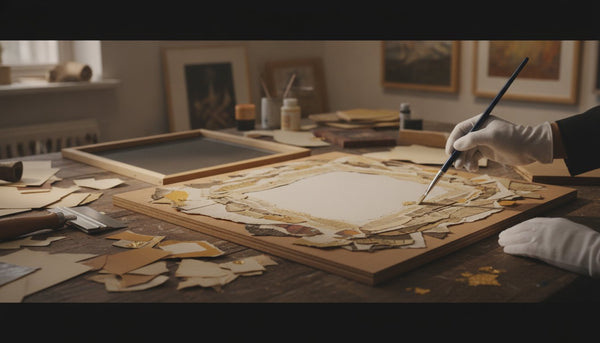
When selecting framing, consider both aesthetics and protection. Conservation-grade materials are paramount for valuable prints. This includes acid-free mats and backing boards, and UV-protective glazing (glass or acrylic). These materials prevent the artwork from yellowing, fading, or deteriorating over time, which is especially crucial in an office that might experience varying light conditions.
The style of the frame itself should complement both the artwork and the overall aesthetic of your office. A minimalist black or white frame often works well with street art, allowing the artwork to be the main focus without competing for attention. Natural wood frames can add warmth, while metal frames can lend a more industrial or contemporary edge. Avoid overly ornate or distracting frames that might detract from the raw energy of the street art itself. For large pieces, sturdy framing is essential to prevent warping and ensure safe hanging.
Consider whether to use a mat. A mat provides a visual breathing room around the artwork and keeps the print from touching the glazing, which is crucial for conservation. For many street art prints, a wide, crisp white mat creates a sophisticated presentation that elevates the piece. However, some pieces, particularly those with strong edge-to-edge graphics, might benefit from a full-bleed presentation without a mat, where the artwork extends right to the frame's edge. This decision often comes down to the specific artwork and your personal preference for visual impact.
| Framing Component | Purpose & Benefit for Office Art | Considerations |
|---|---|---|
| Glazing (Glass/Acrylic) | Protects from dust, moisture, and physical damage. UV-filtering options prevent fading. | Anti-reflective options reduce glare from screens/windows. Acrylic is lighter and shatter-resistant. |
| Mat Board | Creates visual space around the art, prevents art from touching glazing, acid-free options protect paper. | Choose acid-free or museum-grade. Color should complement art, not distract. Wide mats often elevate street art. |
| Frame Material | Structural support, aesthetic complement to art and room decor. | Wood (warmth), Metal (modern/industrial), Minimalist (focus on art). Ensure sturdy construction for large pieces. |
| Backing Board | Seals the back of the frame, provides rigidity. | Must be acid-free to prevent damage to the artwork from the rear. |
Key considerations for your art collection:
- Purpose: What specific function do you want this art to serve in your office? (e.g., motivation, calm, video background, reset point).
- Placement: Map out your sightlines and potential glare sources before deciding on exact locations.
- Scale: Ensure the art is appropriately sized for the wall and the viewing distance, avoiding pieces that are too small to impact or too large to overwhelm.
Frequently asked questions
How do I protect my art from sun exposure in a bright office?
Protecting your art from sun exposure is crucial, especially for prints and works on paper, which are highly susceptible to fading and damage from UV rays. The first step is strategic placement: avoid hanging artwork on walls that receive direct, unfiltered sunlight for extended periods. If this isn't possible, consider installing UV-filtering window films on your office windows. These films block a significant percentage of harmful UV rays without heavily impacting natural light levels. Additionally, always opt for conservation-grade framing that includes UV-protective glazing, whether it's glass or acrylic. This specialized glazing acts as a barrier, further safeguarding your artwork from light damage. Adjustable blinds or curtains can also be used to moderate light throughout the day, providing an extra layer of protection when the sun is most intense.
Can I mix different street art styles in one room?
Absolutely, mixing different street art styles can create a dynamic and visually rich office environment. The key to successful mixing is to find common threads or deliberate contrasts that feel intentional rather than chaotic. You might mix bold graphic works with more abstract pieces, or combine text-based art with figurative works. Look for unifying elements such as a consistent color palette that ties the pieces together, or a similar framing style that provides a cohesive presentation. Alternatively, you can create distinct zones within your office, dedicating one wall to high-energy, graphic pieces and another to more subdued, contemplative works. The goal is to create a dialogue between the pieces, allowing them to complement each other and contribute to the overall character of your space without clashing.
What's the best way to clean framed street art?
Cleaning framed street art should be done carefully to avoid damaging the frame or the glazing. For regular dusting, use a soft, dry microfiber cloth to gently wipe the frame and the surface of the glass or acrylic. Avoid using abrasive materials or harsh chemical cleaners, as these can scratch the glazing or damage the frame finish. If there are smudges or fingerprints on the glass, dampen a clean microfiber cloth with a small amount of distilled water or a specialized ammonia-free glass cleaner (check that it's safe for art glazing) and wipe gently. For acrylic glazing, use a cleaner specifically formulated for acrylic to prevent hazing or scratching. Never spray cleaner directly onto the frame; always apply it to the cloth first, and ensure no liquid seeps behind the frame where it could damage the artwork itself. Regular, gentle cleaning is the best approach.
Should I hang art directly above my computer screen?
Generally, hanging art directly above your computer screen is not recommended for a home office. While it might seem like a logical place for a focal point, it can lead to several issues. Firstly, it often places the art too high for comfortable viewing, forcing you to strain your neck to appreciate it. Secondly, the light emitted from your screen can create glare on the artwork's glazing, making it difficult to see clearly. More importantly, having a constantly changing or brightly lit screen directly beneath the art can detract from its visual impact and make it less effective as a source of calm or inspiration. It's usually better to place art on an adjacent wall, or slightly to the side of your primary sightline, where you can easily look up and engage with it during breaks without interference from your monitor.
How do I decide on the right size of art for my home office?
Deciding on the right size of art involves considering the scale of your room, the size of the wall, and the surrounding furniture. For a large, open wall, a single, strong piece of street art can serve as a powerful focal point. Aim for the artwork to occupy roughly two-thirds to three-quarters of the available wall space, leaving some breathing room around it. If your office is smaller, or if you have multiple pieces, consider a gallery wall arrangement where several smaller to medium-sized works are grouped together. When placing art above furniture, such as a desk or credenza, the artwork should typically be no wider than the furniture itself, and the bottom edge of the frame should be about 6-12 inches above the furniture. Ultimately, the art should feel balanced within the space; neither dwarfed by the wall nor overwhelming the room. Using painter's tape to mock up the dimensions on the wall before hanging can be a very helpful visual guide.
The home office is more than just a place to work; it's a personal command center, a space where focus and inspiration are paramount. By thoughtfully integrating street art, you can transform a functional room into a dynamic environment that actively supports your professional and creative endeavors. From defining your sightlines to managing the energy of the room, each piece plays a role in fostering a productive and visually stimulating space. We invite you to explore our curated selection and find the perfect pieces to elevate your own workspace. A great place to start is our Shepard Fairey collection, known for its strong imagery and thought-provoking messages.