

Featured image: AI-generated interior concept using product reference photography. Scale, setting, framing, and placement are illustrative.
Designing a dedicated listening room presents a unique opportunity to craft an environment where the sole purpose is immersion in sound. Unlike a multi-purpose living area, a listening room prioritizes acoustic performance, comfort, and an aesthetic that complements the ritual of focused listening. The challenge, and the joy, lies in balancing these technical considerations with a compelling visual narrative. Often, the temptation is to begin with equipment: the speakers, the amplifier, the turntable. However, a more holistic and ultimately more satisfying approach starts with the art that will define the room's character. A powerful music portrait, for instance, can serve as the emotional and stylistic anchor, dictating not just the color palette but also the overall mood and even the functional layout of the space.
Consider the impact of Shepard Fairey's "Lennon Peace and Liberty (Blue)". This screen print, with its iconic subject and bold graphic style, immediately suggests a specific energy. John Lennon, rendered with his signature round glasses and a peace sign, stands before the Statue of Liberty, surrounded by Fairey's characteristic patterning and slogans. The blue, red, and cream palette is striking. If this piece is the focal point, how does it influence the choice of seating, the wall treatments, or even the type of music the room is designed to celebrate?
Interviewing the client for their listening room vision
Before any furniture is selected or speaker placed, a thorough client interview is paramount. For a listening room, this goes beyond typical lifestyle questions. We need to understand the client's relationship with music itself. Is this a space for solitary, contemplative listening, or will it host small groups for shared musical experiences? What genres dominate their collection, and what emotional response do they seek from their music? For example, a client deeply invested in classical compositions might prioritize absolute sonic neutrality and a serene, uncluttered aesthetic, while a rock enthusiast might prefer a more dynamic, even raw, environment that echoes the energy of their favorite bands.
Crucially, we must ascertain their current and aspirational audio equipment. Do they own a significant vinyl collection, requiring extensive storage? Are they committed to a specific speaker brand or format, like large floor-standing speakers or a more discreet in-wall system? Understanding these technical parameters early prevents costly redesigns. Their listening habits also inform the layout: do they prefer to recline, sit upright, or even move around the room? The art selection process can begin here, too. Presenting options like the Shepard Fairey "Lennon Peace and Liberty (Blue)" offers a concrete starting point. Its blue and red tones, coupled with its subject, hint at a specific cultural leaning. If the client resonates with this piece, it tells us something about their appreciation for music history, social commentary, and a certain graphic aesthetic. Conversely, if they prefer something more abstract or subtle, it guides us away from overtly narrative works. This initial dialogue is less about dictating choices and more about uncovering the client's deep-seated preferences, allowing the design to emerge organically from their personal connection to music and art.
Establishing the ideal seating and listening position
The core of any listening room is the primary listening position. This is where the magic happens, and every other element, including the art, must support its optimal function. The goal is to create an equilateral triangle between the listener's head and the two main speakers. This fundamental principle dictates the placement of both seating and speakers, which then influences the available wall space for art. The height of the art must consider the seated eye level. For most adults, this is roughly 42-48 inches from the floor to the center of the artwork. Placing art too high or too low can disrupt the visual balance and the overall sense of calm crucial for focused listening.
Consider a client who prefers a deep, plush armchair for extended listening sessions. This choice of seating implies a relaxed posture and might suggest a slightly lower art placement than a more upright lounge chair. The artwork, such as the framed Shepard Fairey "Lennon Peace and Liberty (Blue)", should be positioned so that its impact is felt without requiring the listener to crane their neck or shift uncomfortably. The visual weight of the art also plays a role. A large, commanding piece might be best centered directly opposite the listening position, creating a visual anchor. Smaller pieces, or a diptych like the Shepard Fairey Beastie Boys Stand Together Red + Blue Pair, could flank the primary artwork or occupy adjacent walls, creating a curated gallery effect. The key is to ensure the art enhances the experience without competing with the soundstage or causing visual fatigue. The relationship between the art and the listener should feel effortless, a natural extension of the room's purpose.
Planning speaker placement and clearance for optimal sound
Optimal speaker placement is a science, but it also interacts directly with aesthetic choices, particularly art placement. Speakers require specific distances from walls and corners to perform their best, avoiding unwanted bass resonance or muddiness. This often means they cannot be pushed flush against a wall or tucked into a niche. For floor-standing speakers, a common starting point is to place them at least 18-24 inches from the front wall and 3-5 feet from side walls. These are initial planning assumptions, as the actual dimensions will vary based on speaker design and room acoustics. This creates a critical zone around the speakers that must remain clear, impacting where wall-mounted art can be placed.
If the Shepard Fairey "Lennon Peace and Liberty (Blue)" is intended as a central visual element, it would likely be positioned on the wall behind the speakers. This requires careful coordination to ensure the artwork does not obstruct the speakers' rear ports (if any) or interfere with sound dispersion. The height of the art must also clear the top of the speakers, preventing any visual clutter or the impression of the art being squeezed into an inadequate space. For a diptych, such as the Beastie Boys Stand Together pair, one might consider placing one print on each side wall, provided they are far enough from the speakers to avoid creating early reflections that distort the sound. The framing of the art also matters. While a frame offers protection, a highly reflective glass surface directly behind a speaker can cause undesirable acoustic reflections. Using museum-grade acrylic or anti-reflective glass can mitigate this, although direct placement behind a speaker is generally avoided for acoustic purity. The design must integrate these technical requirements seamlessly, making the necessary clearances appear intentional and harmonious rather than forced.
Managing acoustic reflections and material choices
Acoustic reflections are the enemy of clear, immersive sound in a listening room. Hard, flat surfaces like bare walls, large windows, and uncarpeted floors bounce sound waves, creating echoes and blurring the soundstage. While art itself isn't primarily an acoustic treatment, its placement and the materials of its framing can play a subtle role in reflection management. More importantly, the overall material palette of the room must be chosen with acoustics in mind. Soft furnishings, thick curtains, area rugs, and upholstered furniture absorb sound, reducing reflections and creating a more controlled listening environment.
When planning for the "Lennon Peace and Liberty (Blue)" print, consider its placement on a wall that might otherwise be a significant reflection point. While the framed artwork itself won't absorb much sound, surrounding it with soft materials can help. For instance, a large, plush area rug extending from the listening position to the speakers will absorb floor reflections. Heavy drapes on windows flanking the art will manage side reflections. Wall treatments like fabric panels or even textured wallpaper can further dampen sound. The goal is to achieve a balanced acoustic environment – not too dead, which can sound unnatural, and not too live, which creates distracting echoes. The visual texture introduced by acoustic materials can also enhance the room's aesthetic. A deep blue upholstered wall, for example, could complement the prominent blue in the Lennon print, while simultaneously providing acoustic benefits. The choice of frame for the art also matters; while the existing frame on the Shepard Fairey Lennon Peace and Liberty Blue is a simple, dark wood, its glass surface should be considered in relation to direct sound paths. In rooms with severe reflection issues, a conservator or framer can advise on non-reflective glazing options.
Integrating record storage and media display
For many audiophiles, a listening room is also a sanctuary for their physical music collection. Vinyl records, CDs, and even reel-to-reel tapes require thoughtful storage that is both functional and aesthetically pleasing. Integrating this storage into the room's design, particularly in relation to the chosen art, is crucial. Record shelves, for instance, can become significant architectural elements, defining zones within the room or acting as a backdrop to the listening experience. The challenge is to make them accessible without overwhelming the visual space or creating acoustic problems.
Imagine a client with an extensive vinyl collection. Custom built-in shelving, perhaps in a rich walnut or a painted finish that picks up a subtle tone from the Shepard Fairey "Lennon Peace and Liberty (Blue)" print, could run along a side wall. This provides ample storage while also adding a warm, textural element that can help diffuse sound. The height of these shelves should be considered in relation to the art. If the Lennon print is the focal point on the front wall, the record storage could be kept lower on the side walls to maintain visual hierarchy. Alternatively, a tall, curated display of records could flank the art, creating a personal library feel. For a diptych like the Shepard Fairey Beastie Boys Stand Together Red + Blue Pair, a console for a turntable and amplifier might sit between the two prints, with record storage below. This creates a cohesive media station. The materials of the storage units should also align with the overall aesthetic. Open shelving in a minimalist room might be finished in a sleek, dark metal, while a more traditional space might call for solid wood cabinetry. The goal is to make the collection itself part of the room's character, a tangible expression of the client's passion for music, without allowing it to dominate or detract from the primary listening experience or the central art piece.
Developing a cohesive color and material palette
The chosen artwork provides an invaluable starting point for developing a cohesive color and material palette for the entire listening room. The hues, textures, and overall mood of the art can be translated into the room's finishes, furniture, and accessories, creating a unified and immersive environment. This is where the initial emotional connection to the art truly begins to inform the practical design decisions. The goal is not to match colors exactly, but to draw inspiration and create a harmonious dialogue.
Let's take the Shepard Fairey "Lennon Peace and Liberty (Blue)" as our anchor. The print features a striking palette of blues, reds, and creams, with black accents. The dominant cool blue, representing peace and the sky, could inspire a soft, muted blue for the walls, creating a calming backdrop. The vibrant red, appearing in the foreground, could be picked up in an accent color – perhaps a plush velvet throw on the listening chair, or a subtle stripe in an area rug. The cream tones of the paper and the Statue of Liberty could translate into natural wood finishes for shelving or a light, textured fabric for curtains. The bold black of Lennon's coat and glasses suggests a strong contrast, which could be echoed in dark speaker cabinets, a matte black turntable, or a sleek metal floor lamp. This approach creates a room that feels both sophisticated and deeply personal. The visual language of the art extends throughout the space, reinforcing the theme of music and liberty. Alternatively, if the client chose the Shepard Fairey Beastie Boys Stand Together Red + Blue Pair, with its equally strong red and blue compositions, the palette might become more dynamic. One could choose a neutral gray wall to allow both prints to pop, then use red and blue accents in textiles or small decorative objects to tie the room together. The key is to let the art guide the choices, ensuring every element contributes to a unified, intentional design.
Worked example: Designing for a compact urban listening room
Consider a hypothetical project: a compact urban listening room, approximately 10 feet by 12 feet, with a single window on one of the longer walls. The client is a dedicated vinyl collector who cherishes the ritual of deep listening and has selected the Shepard Fairey "Lennon Peace and Liberty (Blue)" as their central artwork. Their equipment includes a pair of bookshelf speakers on stands, a turntable, and an integrated amplifier. They desire a space that feels both intimate and inspiring, a true escape from city life.
Our starting point is the Lennon print. Its framed dimensions, let's assume 30 inches wide by 40 inches high for planning, make it a significant presence without overwhelming the smaller room. We decide to place it on the 10-foot wall, directly opposite the entrance, ensuring it's the first thing the client sees. The primary listening position will be an ergonomic armchair, centered on the opposite 10-foot wall, approximately 7 feet from the artwork. This allows for an adequate equilateral triangle with the speakers. The bookshelf speakers will sit on dedicated stands, placed about 18 inches from the front wall and 2 feet from the side walls, clearing the Lennon print and allowing for proper soundstage development. Their height will be adjusted so the tweeters are at ear level when the client is seated.
The color palette draws directly from the art: a muted, dusty blue for the three main walls, creating a serene, enveloping atmosphere. The wall behind the listening chair will be treated with a textured, acoustic-friendly wallpaper in a slightly darker tone of blue, providing both visual depth and sound absorption. A large, thick pile area rug in a cream color, with subtle red accents, will cover most of the floor, managing reflections and adding warmth. The single window will be dressed with heavy, interlined curtains in a cream linen, offering both light control and additional acoustic dampening. For record storage, a custom low-profile credenza in a dark walnut finish will run along the 12-foot wall adjacent to the listening chair. This credenza will house the turntable and amplifier on top, with ample vinyl storage below. Its height will be kept below the seated eye line to avoid visual clutter and maintain the focus on the Lennon print. A small, round side table in black metal will sit beside the armchair for a drink or a record sleeve. The overall effect is a cohesive, functional, and visually compelling listening room that centers around the powerful message and aesthetic of the chosen artwork, creating a true sanctuary for sound and contemplation.
The ritual of listening: Designing for connection
Beyond the technical and aesthetic considerations, a listening room is fundamentally about ritual. It's a space designed for a specific kind of engagement, a deliberate slowing down to connect with music on a deeper level. The design should foster this ritual, making every interaction with the music and the environment feel intentional and pleasurable. This means thinking about more than just where the speakers go or what color the walls are; it means considering the entire experience from the moment one enters the room to the final note of a cherished album.
The placement of the turntable, for instance, should be convenient and inviting. If the client enjoys physically handling records, the turntable should be easily accessible from the listening chair, perhaps on a dedicated console or a segment of the record storage unit. The act of selecting an album, carefully placing it on the platter, and dropping the needle becomes part of the immersive experience. Lighting also plays a crucial role. Dimmable, warm lighting can create an intimate atmosphere, allowing the listener to relax and focus. Accent lighting, perhaps a subtle spotlight on the central artwork like the Shepard Fairey "Lennon Peace and Liberty (Blue)", can draw attention to it without being distracting. The room should feel like a personal shrine to music, a place where the outside world recedes.
Even small details contribute to the ritual. A comfortable throw blanket for cooler evenings, a small shelf for a book or a journal, or a carefully chosen scent diffuser can all enhance the sense of sanctuary. The art itself, particularly a piece with a strong narrative like the Lennon print, can deepen this connection. It serves as a constant visual reminder of the power of music and its cultural significance. For a client who connects with the peace and liberty message of the Lennon print, the room becomes more than just an audio space; it becomes a reflection of their values, a place where they can not only listen to music but also meditate on its meaning. When the design supports these subtle, personal rituals, the listening room transcends mere functionality to become a truly transformative space. The alternative, a pair of Shepard Fairey Beastie Boys Stand Together prints, would suggest a different ritual – perhaps one of more energetic, shared listening, or a space that celebrates the rebellious spirit of hip-hop and punk. The art always informs the ritual, and the ritual in turn defines the space.
Ultimately, a successful listening room is a symphony of design elements working in harmony. It begins with understanding the client's passion for music, grounding the aesthetic in a compelling piece of art, and meticulously addressing the technical requirements of sound. From the initial interview to the final placement of a record, every decision contributes to a space that not only sounds exceptional but also feels deeply personal and inspiring. The art is not merely decoration; it is the soul of the room, setting the tone and guiding the entire design process. By starting with a strong visual anchor, such as a meaningful music portrait, designers can create a listening environment that resonates on every level, offering a truly immersive and enriching experience. Confirm final framed dimensions, current availability, and condition before specifying. Explore available music-themed art and collectibles to find the perfect inspiration for your next listening room project.
Shop Music memorabilia
Explore current pieces available from the gallery.
-
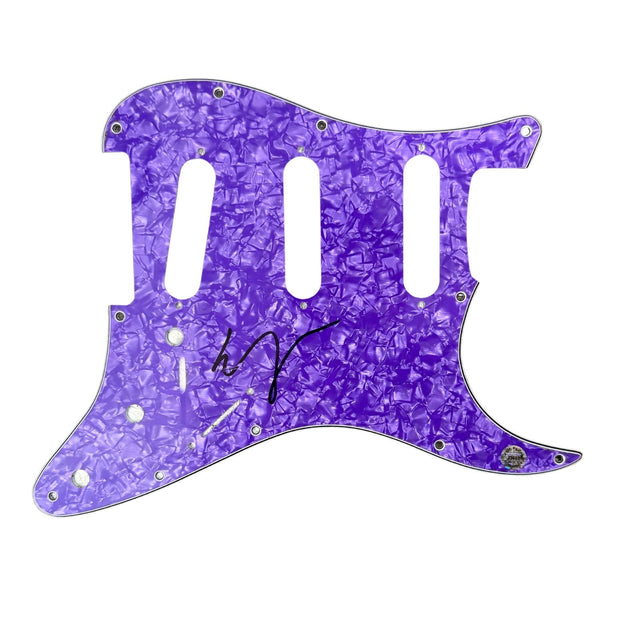
Vampire Weekend Ezra Koenig Signed Guitar Pickguard Autograph Hologram COA
$100.00 USD
-

Twenty One Pilots Signed Clancy CD Framed Display Tyler Joseph Josh Dun Auto
$199.00 USD
-

Twenty One Pilots Clancy Signed CD Tyler Joseph Josh Dun Sealed Unopened 2024
$189.00 USD
-

Twenty One Pilots Clancy Signed CD Sealed Tyler Joseph Josh Dun Silver Autograph
$189.00 USD
-
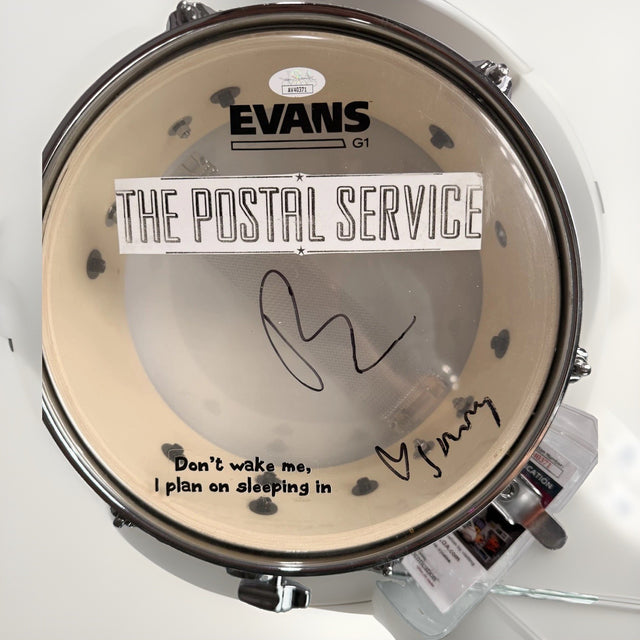
The Postal Service Dual Signed Evans M-80 Drumhead JSA A40371
$499.00 USD
-

The Head and the Heart Band Signed Framed 'aperture' CD COVER ALBUM
$65.00 USD
Browse the collection for current listings.