KAWS and BE@RBRICK Authentication: How Verification Works
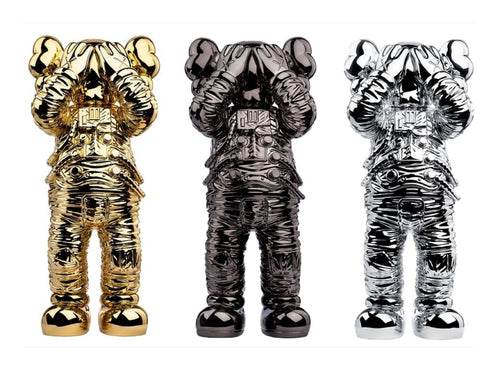
Authenticating KAWS and BE@RBRICK figures rests on physical evidence and documented release records rather than any single certificate. For figures at the premium tier, the combination of packaging, markings, and provenance forms a verifiable record that travels with the piece through the secondary market — any buyer can check the same evidence against documented releases and comparable sales.
How the Physical Checks Work
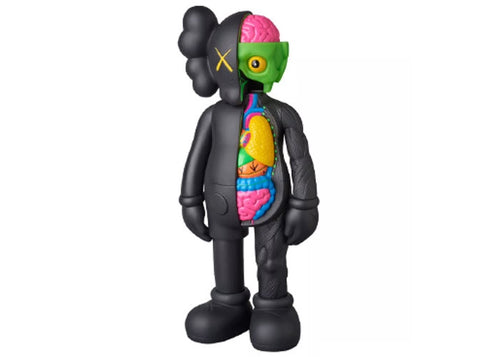
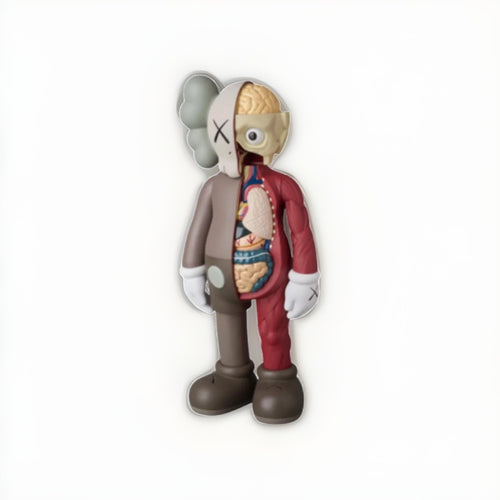
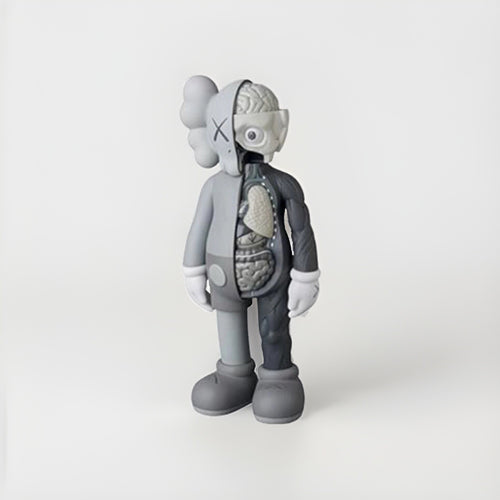
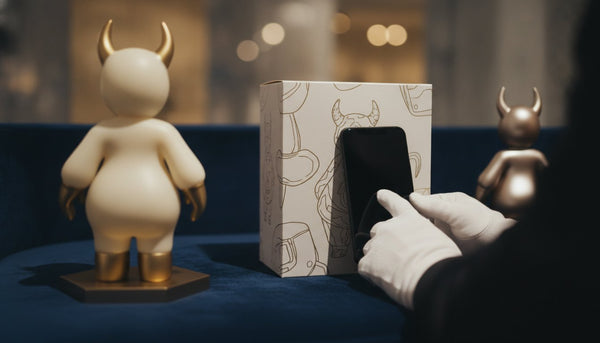
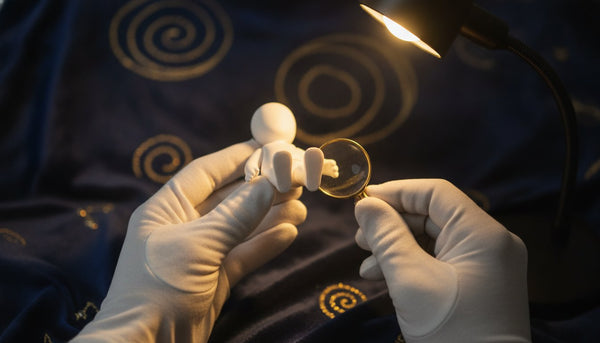
Genuine Medicom production shows consistent packaging quality and a hologram sticker, a molded foot stamp with copyright markings (© KAWS plus the year), crisp paint application and clean X-eyes, and correct weight and density for the release. Each of these is compared against documented release records for that specific model, colorway, and edition. Counterfeits routinely fail on at least one of these layers — soft paint edges, inconsistent stamps, or packaging that does not match the release.
Where NFC Genuinely Applies
Two real NFC systems exist in this category: KAWS:HOLIDAY releases from roughly 2022 onward (AllRightsReserved) include an NFC authentication chip, and Medicom operates its du-al.io NFC system. On those specific releases, scanning the chip adds a digital layer of verification. NFC does not replace physical authentication — a figure should still exhibit correct manufacturing characteristics — and most releases carry no chip at all.
At Gauntlet Gallery
KAWS and BE@RBRICK figures in the gallery inventory are inspected against release-level references and backed by TrueCOA, our blockchain certificate system. Every sale includes the TrueCOA record and gallery documentation, and the certificate is tamper-proof and verifiable online by any future owner.