KAWS Auction Records Keep Climbing. Here's Why That Isn't the Whole Story.
The broader collectibles market has cooled. NFTs cratered. Sneaker resale margins compressed. Even some blue-chip contemporary art categories pulled back from their pandemic-era highs.
KAWS kept going up.
That's not a marketing line. It's a pattern that serious secondary market participants have been watching closely, trying to figure out whether it reflects genuine demand or something more complicated. The answer, as usual, is both.
Understanding why KAWS auction records continue to climb — and what that actually means for buyers positioning themselves in 2025 — requires separating the headline numbers from the underlying market mechanics. The headline numbers are real. The mechanics are what matter.
First, the Baseline: What "Market Cooling" Actually Means
When analysts talk about collectibles market cooling, they're describing a specific phenomenon: the compression of the speculative premium. Things that were bought purely on momentum — with no underlying demand thesis — gave back those gains when momentum stopped.
KAWS was caught up in the same speculative surge as everything else during 2020-2021. Prices on secondary platforms ran far ahead of any reasonable demand model. Some of those prices did correct.
But here's what didn't correct: the floor on authenticated, documented, edition-controlled KAWS work.
That distinction matters enormously. The pieces that corrected were often unverified, poorly documented, or bought at the absolute peak of speculative fever on formats that had thin collector bases. The pieces that held — and in many cases appreciated — were the ones with clean provenance, proper authentication, and genuine institutional demand underneath them.
So is the KAWS market rising, or are only certain parts of it rising?
Yes. Both. That's the only honest answer.
The Structure of the KAWS Market in 2025
Three Distinct Tiers, Three Different Stories
You can't talk about "the KAWS market" as a monolith. There are effectively three tiers operating simultaneously, and they perform differently at auction.
Tier One: Original paintings and large-scale sculpture. This is where the auction records live. KAWS's original works have consistently attracted institutional-caliber collectors and museum-adjacent buyers. These pieces are rare by definition, and scarcity at the top of any artist's market tends to be self-reinforcing. When one sells, it sets a new reference point. The next one has to clear that bar to feel like a fair deal to a sophisticated buyer.
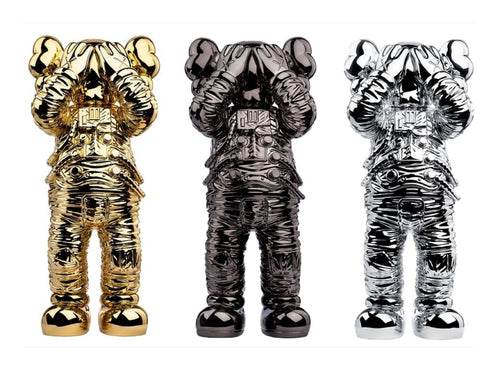
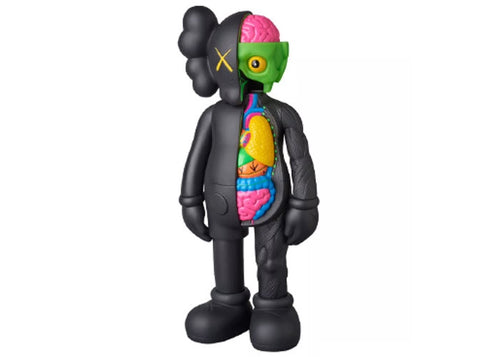
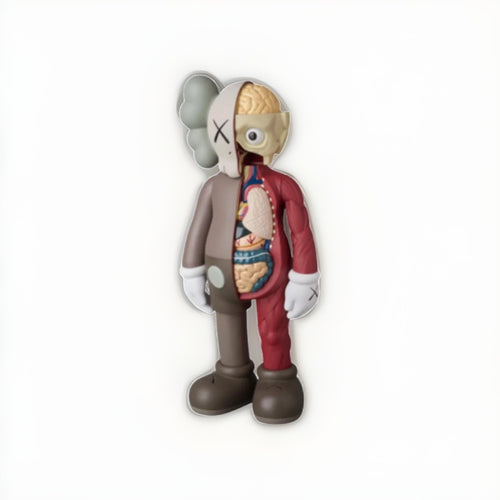
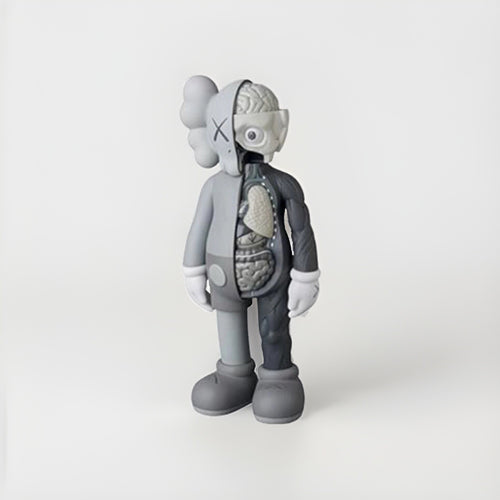
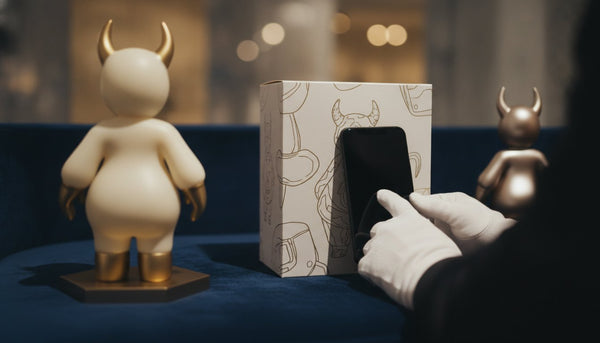
Tier Two: Authenticated limited edition sculpture and companions. The COMPANION figures, SHARE figures, HOLIDAY series, and similar edition works occupy a middle tier that functions almost like a liquid equity. Pricing here is driven by edition size, colorway rarity, condition, and — critically — authentication integrity. This is the tier most collectors actually participate in.
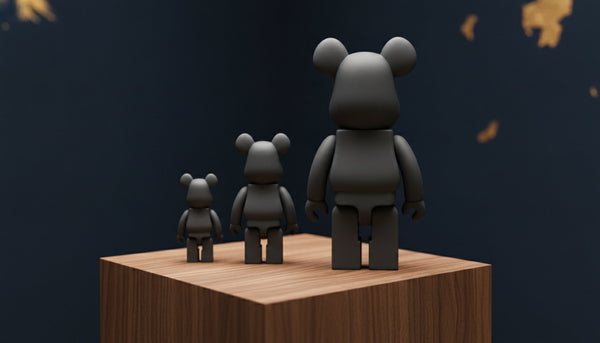
Tier Three: Open editions, collaborations, and accessible product. Uniqlo collaborations, Medicom BE@RBRICK releases, lower-run items. High volume, thin margins, extremely condition-sensitive. This tier cooled the most during the broader market correction and has been the slowest to recover.
Auction records are almost exclusively happening in Tier One and the top of Tier Two. Tier Three is a different conversation entirely.
Why the Auction Records Are Real (and Why They'll Continue)
Scarcity Is Not a Marketing Claim — It's a Supply Fact
KAWS originals don't get more plentiful over time. The body of work is what it is. Every auction appearance of a major original represents one of a finite number of opportunities for buyers who want genuine exposure to that work.
That's not unique to KAWS. What is somewhat unique is the breadth of the collector base that wants it.
KAWS sits at an intersection that very few artists occupy: credible in the contemporary fine art world, deeply embedded in streetwear and youth culture, internationally recognized in markets that have historically been underrepresented in Western contemporary art auctions — particularly East Asia. That cross-cultural demand has not diminished. If anything, the deepening of collector infrastructure in those markets has strengthened it.
The Institutional Legitimacy Factor
Museum acquisitions, major survey exhibitions, permanent collection placements — these create a legitimacy floor that supports auction pricing in ways that purely speculative demand cannot. Once an artist's work enters permanent institutional collections at scale, there's a reference framework that auction houses and serious buyers use to anchor their valuations.
KAWS has that framework now in a way he didn't fifteen years ago. That's not reversible. Institutional legitimacy, once established, doesn't disappear because the broader market cools.
Edition Discipline
This is underappreciated. KAWS and his team have maintained relatively strong edition discipline over the years compared to artists who flooded the market with product during the speculative boom. When you control supply intelligently — not cutting editions, not creating unauthorized secondary markets through leakage — you protect the floor price on existing work.
That edition discipline is also why authentication matters so much in this market. More on that shortly.
Authentication: The Variable That Changes Everything
Here is the part of the KAWS market that doesn't get enough attention in the coverage of auction records.
The record prices are being paid for authenticated, documented, provenance-clean work. The gap between authenticated KAWS and unverified KAWS — or worse, counterfeit KAWS — has widened considerably as the market has matured.
What does proper KAWS authentication actually look like?
For contemporary edition sculpture and BE@RBRICK pieces, the authentication framework has evolved significantly. The current standard operates on several layers:
-
Hologram and molded-marking verification on the figure and packaging
- The Medicom hologram sticker and molded copyright stamp tie the physical object to a legitimate production run
- These markers should be confirmed at point of purchase, not assumed
- If a seller can't demonstrate them, that's a process gap you need to resolve before committing
-
Original packaging integrity
- Medicom release records for BE@RBRICK pieces
- Hologram verification where applicable to the specific release
- Packaging seals that show no evidence of tampering or resealing
-
Provenance chain documentation
- Original retail receipt where available
- Gallery or drop documentation
- Auction house records for pieces that have appeared at major houses
-
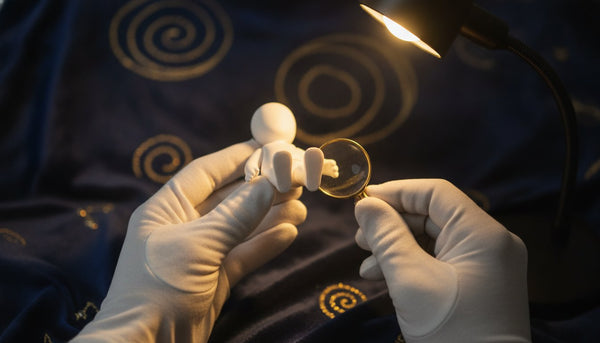
Physical condition assessment
- Condition materially affects value, especially at Tier Two and below
- Professional condition reports are standard at serious auction appearances
The counterfeiting problem in the KAWS market is real and has been documented. PSA's certification-verification warnings have explicitly flagged issues with fraudulent items presented with fabricated certificates. The sophistication of counterfeit KAWS companions has increased as prices have increased — that's always the pattern. Higher prices attract higher-quality fakes.
This is not a small footnote. It's a central variable in whether you're actually participating in the appreciation story or buying something that will never clear authentication when you try to sell.
The BE@RBRICK Dimension
KAWS x Medicom BE@RBRICK collaborations occupy a specific and interesting sub-market. They sit at the intersection of the toy collector world, the streetwear collector world, and the contemporary art market. That intersection has historically generated strong pricing, particularly for 1000% figures in desirable colorways.
But BE@RBRICK authentication has its own specific requirements that differ from KAWS sculpture authentication generally.
Original packaging, Medicom release records, and hologram verification are the primary authentication anchors, for early and current releases alike.
Why does this documentation matter at auction?
Because auction houses and buyers at the sophisticated end of the market check this documentation. A piece without packaging, hologram, and release-record support will either fail to reach auction or will sell at a discount that reflects the authentication gap.
The flip side: a properly authenticated, documented BE@RBRICK in excellent condition from a desirable collaboration has held value extremely well even as the broader collectibles market softened.
What the Auction Houses Are Actually Seeing
Major auction houses that regularly handle KAWS consignments — and that means the primary houses, not regional operations — have noted a consistent pattern in their specialist communications: demand is concentrating.
The pool of serious bidders for top-tier KAWS has not shrunk. In some respects it's grown, as wealth continues to accumulate in markets with strong KAWS collector bases. But those serious bidders are increasingly discriminating about what they'll pay record prices for.
The pieces clearing records are not random. They share characteristics: clean provenance, strong authentication documentation, exceptional condition where condition is relevant, and typically some element of additional rarity — a unique colorway, a historically significant edition, an unusually large-scale work.
The pieces failing to find their reserves are also not random. They tend to have documentation gaps, condition issues, or were bought at speculative peak prices that even a hot market won't currently support.
This is what a maturing market looks like. It's not the same as a declining market. It's a market developing actual standards.
The Broader Context: Why KAWS Isn't Just Another Streetwear Artist
The Career Arc Argument
Collectors who follow artist career trajectories make a specific bet when they buy KAWS: that the critical legitimacy arc continues upward. The argument runs roughly like this — KAWS began as a graffiti and street artist, transitioned through toy design and limited edition releases, and has progressively built institutional recognition alongside the commercial presence.
That arc, for collectors who believe in it, suggests a long runway. The commercial base provides liquidity and price discovery at accessible levels. The fine art credentials provide the ceiling argument for major works. When both components are working, the market for the full body of work benefits.
The Global Demand Thesis
KAWS has genuine collector bases in markets that matter enormously for long-term price support: Japan, South Korea, mainland China, Hong Kong, and increasingly Southeast Asia. These aren't peripheral markets for KAWS — in some cases they represent the deepest pockets of collector enthusiasm for the work.
International demand bases create a floor dynamic that purely domestic Western artist markets don't benefit from. When one regional market softens, others can sustain pricing. When multiple regional markets are active simultaneously — which describes much of the recent auction action — competition intensifies and records fall.
That geographic distribution of demand is a structural feature of the KAWS market, not a temporary condition.
What Smart Collectors Are Actually Doing
The collectors generating the returns that justify the headline numbers are not buying randomly. They're operating with a clear thesis and specific criteria.
-
Focusing on authenticated, provenance-documented pieces first
- No exceptions on authentication standards
- Provenance chain matters more as prices rise
-
Prioritizing rarity within the edition structure
- Smaller editions, rarer colorways, historically significant releases
- Not all KAWS editions are equivalent investments even within the same series
-
Being disciplined about condition
- Condition compression is real in this market
- A piece in genuinely excellent condition commands a premium that compounds over time
-
Understanding the tier they're operating in
- Tier One (originals) requires institutional-level capital and relationships
- Tier Two (authenticated editions) is accessible to serious collectors and offers genuine upside with managed risk
- Tier Three requires careful selection and a longer holding thesis
-
Avoiding the noise of unverified secondary market activity
- Not every "record price" reported on resale platforms reflects verified authentication
- Auction house results with full documentation are the only reliable pricing data
Red Flags
The KAWS market has specific failure modes that recur. Know them.
- No hologram or release-record support on editions where it applies. This is a baseline expectation, not a bonus feature. If the piece is supposed to carry a Medicom hologram and the seller can't demonstrate it, walk away until they can resolve it.
- COA that doesn't match the documented release for the specific piece. Homemade or third-party certificates on KAWS work are not authentication. The specific authentication system for the specific piece matters. Know what applies before you buy.
- Medicom release record gaps on BE@RBRICK collaborations. If a seller can't produce or reference the specific Medicom release documentation for an earlier piece, you're operating blind on a key authentication variable.
- Packaging that shows evidence of resealing or tampering. On pieces where original sealed packaging is part of the value proposition, resealed packaging is a serious red flag — potentially indicating a swap or tampering with the contents.
- Provenance that starts at a secondary platform with no upstream documentation. "I bought it on [platform]" is not a provenance chain. It's a transaction record. Those aren't the same thing.
- Prices significantly below recent auction comparables for equivalent pieces. The KAWS market is well-documented. Significant underpricing on an authenticated piece usually means either the authentication isn't solid or there's a condition issue being obscured. Neither is something you want to inherit.
- Sellers who conflate certification with authentication. A grading company sticker is a condition and consistency assessment. It is not the same as authentication documentation. The counterfeit problem in the KAWS market is sophisticated enough that graded fakes exist.
- Unsigned pieces presented as equivalent to signed editions. Signature matters on pieces where it's part of the release documentation. An unsigned piece from a signed edition isn't the same item, regardless of how it's described.
Bottom Line
KAWS auction records keep climbing because the underlying demand thesis hasn't broken. International collector bases remain deep and engaged. Institutional legitimacy is established and isn't reversing. Edition discipline has protected the floor on existing work. And the scarcity of original work means every auction appearance of a major piece is a genuine scarcity event.
The cooling in the broader collectibles market was real. It hit certain parts of the KAWS market too. But the pieces that held — and the pieces setting new records — are the ones that always deserved to hold: authenticated, documented, condition-appropriate work with clean provenance and genuine rarity.
The market hasn't thrown away its standards. It's developed them.
If you're entering this market or adding to an existing position, the authentication infrastructure is not optional. Hologram and release-record verification for eligible pieces, original packaging and Medicom release records for BE@RBRICK work, and a provenance chain that doesn't start with a resale platform and a prayer.
Get that right, and the auction record trend is working for you.
Get it wrong, and you own something the market won't recognize — regardless of what you paid for it.
FAQ
Is the KAWS market actually stable or is it a bubble waiting to correct?
Depends entirely on which tier you're talking about. Top-tier originals have structural demand support from international collectors and institutional legitimacy that a pure bubble doesn't have. Tier Two authenticated editions are liquid and well-documented, with pricing that reflects genuine market clearing. Tier Three is the most volatile and was most affected by the broader correction. The "bubble" narrative gets applied to the whole market based on Tier Three behavior, which misrepresents the top of the market significantly.
What authentication does a KAWS companion figure actually need?
For contemporary releases: the Medicom hologram, molded markings, and release-record documentation verified at purchase. For older editions: original packaging with intact seals, any hologram verification applicable to that specific release, and provenance documentation upstream of the current seller. A third-party certificate that doesn't match the documented release is not authentication.
How do KAWS BE@RBRICK collaborations authenticate differently from standalone KAWS sculpture?
BE@RBRICK pieces require Medicom release record documentation in addition to KAWS authentication. The Medicom release record, original Medicom packaging, and hologram verification are primary authentication anchors, and should be confirmed — not assumed — before purchase.
Why do KAWS originals keep setting records when the edition market has softened in places?
Supply and demand at the original level are completely different from the edition market. Originals don't get more plentiful. Each auction appearance is a genuine scarcity event. The collector pool for top-tier originals has international depth — particularly in East Asian markets — that sustains competition and pushes records even when secondary markets for lower-tier product are quieter.
Are grading company slabs reliable authentication for KAWS pieces?
No. Grading company assessments evaluate condition and consistency against documented examples. They are not authentication in the sense of verifying provenance, packaging, or the documented release record. The KAWS counterfeiting problem is sophisticated enough that graded fakes exist. Grading is one data point, not a substitute for the full authentication stack.
What's the biggest mistake collectors make entering the KAWS secondary market?
Treating any documentation as equivalent to proper authentication. A receipt from a resale platform, a third-party printed certificate, a photograph with the piece — none of these are authentication. The specific authentication system required depends on the specific release. Collectors who don't know what authentication system applies to the piece they're buying are the collectors who end up holding unverifiable work when they try to sell or consign.
How should I think about colorway rarity when comparing KAWS edition prices?
Within any given release or companion series, colorway rarity is a real pricing variable. Some colorways had smaller production runs, were released through more exclusive channels, or have historically generated stronger collector enthusiasm. This isn't arbitrary — it reflects actual supply differentials. When comparing auction results for superficially similar pieces, confirm you're comparing equivalent colorways before drawing pricing conclusions.
Does holding period matter for KAWS edition investments?
Yes, and the secondary market data supports this consistently. Shorter-term flipping activity in the KAWS market is where the volatility lives — pieces bought at retail and flipped immediately are most exposed to speculative premium compression. Collectors holding documented, authenticated work over longer periods have generally seen the underlying demand fundamentals support or increase value. That's not a guarantee and past patterns don't predict future performance, but the holding period variable consistently differentiates outcomes in the KAWS secondary market data.