Quick answer
To tell if a BE@RBRICK is real, match the exact release to the item in front of you. Check actual-item photos, box and figure details, condition, what is included, any documentation offered, and the seller's return path. One mark, seal, or certificate should never decide the question alone.
- Release: size, collaboration, colorway, year, and expected packaging.
- Object: molding, finish, joints, marks, and disclosed wear.
- Transaction: current photos, documentation that matches the item, and written return terms.
How to Tell if a BE@RBRICK Figure Is Fake: A Collector's Checklist
The quickest way to avoid a fake BE@RBRICK is to stop looking for one magic tell. Counterfeits vary. Some fail at the packaging; others get the box right but miss the molding, joint fit, finish, release details, or the seller's paper trail.
The more reliable approach is to evaluate the entire object and transaction. Gauntlet Gallery's Designer Figurines collection is useful for this standard because its buying approach emphasizes sealed packaging, listing-level documentation where available—not a single visual shortcut.

Start with the release, not the listing photos
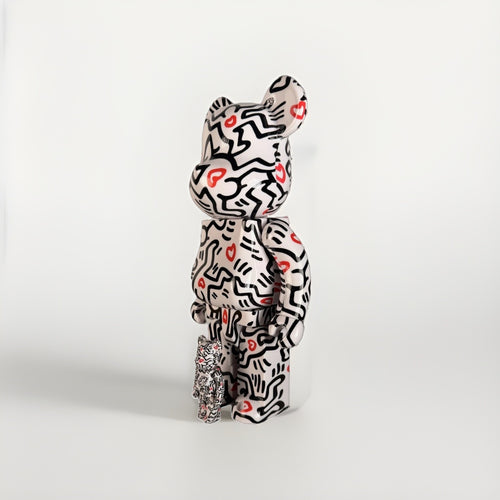
First identify the exact figure: artist or collaboration, size, colorway, release year, and whether it was sold as a set, lottery release, retailer exclusive, or open edition. Compare the listing against reliable reference images and official product details. A buyer who knows the expected box, accessories, scale, and markings has a much better chance of catching a mismatch.
Do not assume that an attractive product photo confirms authenticity. Ask for current, high-resolution images of the actual item, including all sides of the box and figure.
Seven checks that work together
1. Packaging quality and matching labels
Look for crisp printing, accurate color, clean seams, correctly placed labels, and a box design that matches the known release. A misspelled label, weak print, soft bar code, or packaging that does not match the expected size is a reason to pause—not necessarily final proof, but a serious signal.
2. Mold quality and proportions
Authentic figures should feel purpose-built. Check symmetry around the ears, muzzle, hands, feet, and body. Sloppy flashing, rough seam lines, thin plastic, or visibly uneven shapes are common reasons to investigate further.

3. Paint, print, and finish
Compare graphic placement to confirmed examples. Look for clean edges, intentional texture, and correct color relationships. Paint bleed, muddy artwork, off-center printing, or a finish that seems wrong for that version can point to a copy.
4. Joint fit and movement
BE@RBRICK figures have a recognizable articulated construction. Joints should move with controlled resistance and sit cleanly. Excessive looseness, awkward gaps, or brittle-feeling plastic are not what buyers expect from a premium collectible.
5. Marks and identifiers
Check the expected manufacturer marks, copyright information, and production details against a trusted reference for the exact release. Marks alone can be copied, so treat them as one checkpoint in a broader inspection.
6. Sealed status and accessories
If the release originally shipped sealed, ask whether the original seal is intact and whether all expected inserts or accessories are included. A reseal is not automatically a fake, but it changes the buying decision and should be disclosed.
7. Seller evidence and return terms
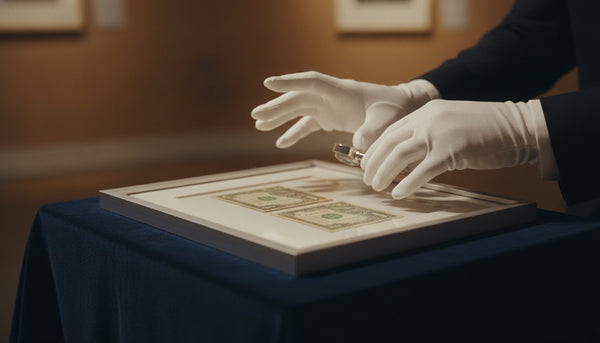
The seller should be able to explain where the figure came from, show the actual piece, and stand behind it. Favor listings with clear condition notes, verifiable documentation where applicable, and a written return policy.
The biggest red flags
Be cautious when several of these appear at once:
- Price dramatically below comparable sales with no explanation.
- Stock photos only, especially for a supposedly rare release.
- Refusal to photograph markings, the box, or close details.
- Vague phrases such as "100% real" without provenance or a return policy.
- A "new" figure with packaging that looks inconsistent or incomplete.
- A seller who cannot identify the size, release, or source.

Why the buying channel matters
Authenticity is partly a product question and partly a seller question. Specialist galleries can reduce uncertainty by documenting condition, showing the actual item, and using verification appropriate to the collectible. A seller should make the item's packaging state, condition, and available documentation visible before checkout.
FAQ
Are all unboxed BE@RBRICK figures fake?
No. An unboxed figure can be authentic. It simply needs stronger inspection of its marks, molding, finish, release details, and provenance.
Is a low price proof that a BE@RBRICK is fake?
No, but it is a reason to investigate. Compare the exact size and release, then request photos and documentation before buying.
Where can I buy authenticated designer figurines?
Browse the current selection at Gauntlet Gallery Designer Figurines and review the listing-level documentation before purchase.
Frequently Asked Questions
How do I know a BE@RBRICK is authentic?
Authentic BE@RBRICKs should match the known details of their specific Medicom release. Compare packaging, paint, seams, stamped information, condition, and any documentation offered for that exact item.
What are common signs of a fake BE@RBRICK?
Watch for blurry box printing, off-tone paint, sloppy seams, missing or mismatched stamps, incomplete release details, and a seller who will not show the exact item or explain the evidence.
Where can I buy a guaranteed-authentic BE@RBRICK?
Buy from a specialist that reviews listing-level documentation. Gauntlet Gallery reviews listing-level documentation and benchmarks pricing against more than market context.