Building a Street-Art Collection on Any Budget
To start a street-art collection on a budget, buy only pieces you genuinely love that come with clear authentication and provenance, and begin with accessible entry points such as open-edition prints, DEATH NYC prints, and smaller signed editions rather than costly originals. Set a comfortable monthly or per-piece budget, prioritize condition and paper quality over hype, and buy from reputable dealers who stand behind what they sell. Over time, a disciplined collection built on love and verified authenticity tends to hold together far better than one chased on impulse.
Street art has become one of the most approachable corners of the contemporary collecting world. You do not need a five-figure budget to own work connected to artists like Shepard Fairey, KAWS, Banksy, Invader, Mr. Brainwash, or DEATH NYC. What you do need is a clear method: know what you are buying, know it is real, and know it is in good condition. This guide walks through exactly how to start, where to enter, how to structure a budget, and the beginner mistakes to sidestep so your collection grows with confidence.
How to start a street-art collection on a budget
The two rules that matter most at the beginning are simple and they never expire: buy what you love, and buy what is authenticated. Love keeps you happy with your walls regardless of where the market moves. Authentication protects the money you put in and the ability to pass a piece along later. When both are true, almost every other decision gets easier.
Buy what you love, first
A collection you actually enjoy living with is a collection you will keep, curate, and improve. Chasing only what is "hot" is how beginners end up with pieces they cannot connect to and cannot easily resell. Start by noticing which images, artists, and palettes genuinely stop you. That instinct is your best long-term filter.
Buy what is authenticated, always
Authentication is not one universal stamp; it varies by artist. Understanding the correct chain for each name is the single most valuable skill a new collector can build. A reputable dealer should be able to explain, in plain terms, exactly why a given piece is genuine. If that explanation is vague, treat it as a reason to pause. Our buyer's guides break down what to look for by artist, and the Collector's Hub gathers the core principles in one place.
Accessible entry points for new collectors
The fastest way onto the ladder is to start with formats designed to be accessible. Prints and smaller editions let you own work by significant artists without originals-level pricing, and they are where most serious collectors began.
Open editions and lower-cost prints
Open-edition prints are produced without a fixed, numbered run, which keeps them more affordable than strictly limited editions. They are an excellent way to live with an artist's imagery, learn how you respond to owning work, and build confidence before you commit more. Browse a broad cross-section in the full collection to see how entry-level pieces are presented and described.
DEATH NYC prints
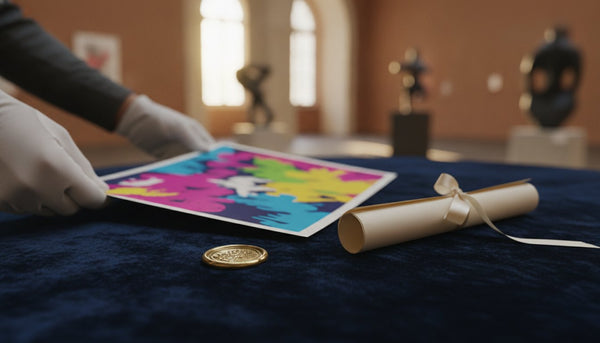
DEATH NYC is one of the most popular entry points in street-art collecting. The work is graphic, pop-culture-forward, and typically issued as small signed and numbered editions. Importantly for new buyers, authentic DEATH NYC pieces come with a Certificate of Authenticity and a gold seal — a clear, checkable authentication marker that makes them a friendly first purchase when bought from a trustworthy source.
Smaller signed editions
As you get comfortable, smaller signed editions are a natural next step. A signed, numbered print from a recognized artist carries more collector significance than an unsigned open edition, and smaller edition sizes can be more meaningful over time. Prices vary widely by artist, edition size, and condition, so treat each piece on its own merits rather than assuming a single "right" number.
Prints over originals
For most people starting out, prints are simply the smarter path than originals. They offer authentic connection to an artist at a fraction of the cost, they are easier to authenticate and compare, and there is far more supply — which means more chances to buy well. Originals can come later, once your eye and your budget have matured.
A quick map of budget-friendly artists
Part of starting well is knowing which names offer accessible entry points and what makes each one distinctive. A few worth knowing as a new collector:
- Shepard Fairey (OBEY): One of the most recognizable figures in street art, with a deep and varied print output. His work is bought on provenance and dealer trust rather than an artist-issued certificate, which makes buying from a documented source especially important.
- DEATH NYC: Small signed and numbered editions with a clear, checkable authentication marker, making them a friendly first purchase.
- Invader: Known for pixel-mosaic imagery inspired by early video games; a distinctive collecting niche with its own editions and market.
- Mr. Brainwash: High-energy pop-street crossover work that spans a wide range of formats and price points.
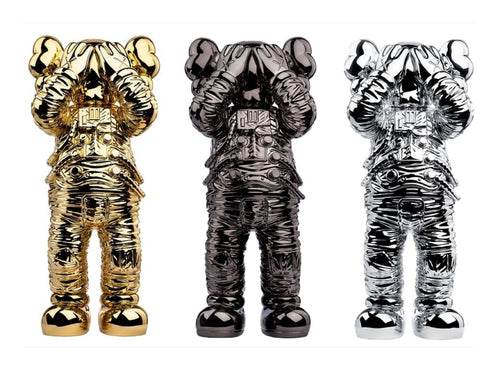
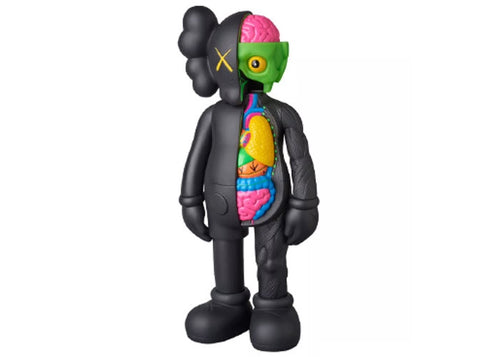
- KAWS & BE@RBRICK: More toy-and-figure oriented, but with print and edition entry points and clear third-party authentication.
You do not need to collect all of them — in fact, you should not. Use this map to find the one or two names that genuinely pull at you, then go deep.
Budget tiers and a practical strategy
You do not need to spend a lot to start well — you need to spend deliberately. The table below is a general framework for thinking about entry points by comfort level. Treat the ranges as broad, illustrative guidance rather than fixed prices; actual figures vary significantly by artist, edition, and condition. For market context on specific artists, see our Financial Insights.
| Budget tier | Typical entry formats | Strategy focus |
|---|---|---|
| Starter | Open editions, accessible prints, DEATH NYC prints | Learn your taste; buy authenticated pieces you love; prioritize condition |
| Building | Smaller signed & numbered editions | Add signature/provenance value; focus on a few artists you connect with |
| Established | Larger signed editions, select sought-after prints | Depth over breadth; condition and provenance become decisive |
Set a rule, then hold to it
Decide in advance what you can comfortably allocate — per piece, per month, or per year — and treat that number as a discipline, not a suggestion. A steady cadence of well-chosen purchases beats one rushed splurge almost every time.
Go deep before you go wide
Concentrating on one or two artists you genuinely love teaches you the market faster than scattering across many. You learn the editions, the imagery, the fair condition, and the sources — and that fluency is exactly what protects you from overpaying and from fakes.
Prioritize authentication, provenance, and condition
These three factors decide whether a purchase is a sound one. They matter more than any trend, and they matter at every budget.
Authentication varies by artist
There is no single authentication standard across street art, so learn the correct chain for each name before you buy:
- Shepard Fairey / OBEY: Fairey work generally does not ship with an artist-issued COA. It is bought on provenance and dealer trust — the reputation and record of your source do the authenticating. Our Fairey collection and the Fairey index are useful references for what is out there.
- DEATH NYC: Comes with a Certificate of Authenticity and a gold seal.
- KAWS & BE@RBRICK / Medicom: Authenticated via Medicom packaging and markings, provenance, and, where applicable, a TrueCOA blockchain certificate. See the KAWS collection for how these pieces are presented.
- Banksy prints: A distinct market with its own established authentication norms; treat provenance and documentation with particular care. See Banksy prints.
- Signed music & memorabilia: Look for recognized third-party authentication such as Beckett, JSA, or PSA.
Whatever the artist, the goal is the same: you should be able to state, clearly and correctly, why your piece is genuine.
Provenance is the paper trail
Provenance is the documented history of a piece — where it came from and who has handled it. Strong provenance from a reputable dealer reduces risk and supports future resale. Buying from sources that document and stand behind their inventory is one of the simplest ways to protect a budget.
Condition is value you can see
For works on paper, condition is a major driver of both enjoyment and value. Look closely for creasing, fading, foxing, trimming, tape residue, or moisture damage, and factor framing quality into the equation. A pristine example of a common print can be a better hold than a damaged example of a scarcer one.
Where to buy — and how to vet a source
Where you buy matters as much as what you buy. The same print can be a confident purchase from one source and a gamble from another, because the difference is documentation, expertise, and accountability. A budget stretches furthest when it is spent with sources that reduce your risk rather than add to it.
What a reputable dealer gives you
- A clear authentication explanation. A good dealer can state exactly why a piece is genuine, using the correct chain for that specific artist — not a vague reassurance.
- Documented provenance. Records of where a piece came from and how it has been handled.
- Honest condition reporting. Detailed notes and photographs, including any flaws, rather than only flattering angles.
- Accountability. A source that stands behind what it sells and is reachable if a question arises later.
Questions worth asking before you buy
Before committing, it is entirely reasonable to ask: How is this piece authenticated, and by whom? What is its provenance? Can I see detailed condition photos and notes? What is the edition size, and is it signed or numbered? A trustworthy seller welcomes these questions. Evasiveness is itself an answer. When you want to compare how pieces should be described and documented, browse the full collection and the artist-specific buyer's guides to calibrate your expectations.
Common beginner mistakes to avoid
- Buying hype instead of what you love. Trend-chasing leads to pieces you cannot connect with and cannot easily move.
- Skipping authentication. A low price is never a bargain if the piece is not genuine. Confirm the correct authentication chain for the specific artist.
- Ignoring condition. Damage, trimming, and fading quietly erode value. Inspect carefully and ask for detailed condition notes.
- Confusing authentication chains. What is true for one artist is not true for another. Never assume a COA type or verification method carries across names.
- Overextending early. Spending your whole budget on one impulsive buy removes your ability to learn and to seize a better piece later.
- Buying from unproven sources. Reputable dealers who document provenance and stand behind their inventory are worth the confidence they provide.
Growing your collection over time
A collection is built, not bought all at once. As your eye sharpens, you will trade breadth for depth, upgrade toward better condition and stronger provenance, and gradually move from accessible prints toward more significant editions. Keep records of what you own — receipts, certificates, provenance notes, and condition photos — so your documentation grows alongside your walls.
Let your knowledge compound
The more you learn about your chosen artists, the better every future decision becomes. Reading our buyer's guides, following market context in Financial Insights, and returning to the Collector's Hub turns casual buying into informed collecting.
Upgrade thoughtfully
As budgets allow, consider consolidating: selling on pieces you have outgrown to fund fewer, better works. Quality and coherence tend to serve a collection better than sheer quantity.
Framing, display, and long-term care
Protecting what you buy is part of collecting on a budget, because condition preserved is value preserved. Works on paper are sensitive, and a modest investment in proper care can prevent avoidable losses.
Frame to protect, not just to decorate
When framing prints, favor archival, acid-free materials and consider UV-protective glazing to slow fading. Avoid mounting methods that trim, crease, or permanently adhere the paper, since these can affect both enjoyment and future value. If a piece arrives with original packaging, certificates, or seals, keep them — they are part of the provenance.
Mind light, humidity, and handling
Direct sunlight fades pigments over time, and excess humidity invites foxing and cockling. Hang works away from strong direct light and damp walls, handle prints by the edges or with clean hands, and store any unframed pieces flat and protected. None of this requires a large budget — just consistent, careful habits.
Keep your records together
Store receipts, certificates, provenance notes, and condition photographs in one place, digital or physical. Good records make future authentication, insurance, and resale dramatically easier, and they cost nothing but a little discipline.
Frequently asked questions
How much money do I need to start a street-art collection?
Less than most people assume. You can begin with accessible open editions and entry-level prints and add smaller signed editions as your comfort grows. The key is to set a budget you are comfortable with and buy authenticated pieces you love rather than fixing on a specific dollar figure. Prices vary widely by artist, edition, and condition.
Are prints a good way to start collecting street art?
Yes. For most new collectors, prints are the smartest entry point. They offer an authentic connection to major artists at a fraction of originals-level pricing, they are generally easier to authenticate and compare, and there is more supply — which means more opportunities to buy well before moving toward originals later.
What should I check before buying a street-art print?
Confirm authentication for that specific artist, review the provenance and the reputation of your source, and inspect condition closely for creasing, fading, foxing, or trimming. If a seller cannot clearly explain why a piece is genuine, treat that as a reason to pause.
How do I know a DEATH NYC or KAWS piece is authentic?
Authentication varies by artist. Authentic DEATH NYC prints come with a Certificate of Authenticity and a gold seal. KAWS and BE@RBRICK pieces are authenticated via Medicom packaging and markings, provenance, and, where applicable, a TrueCOA blockchain certificate. Always buy from a reputable dealer who documents and stands behind the piece.
Should I buy what I love or what will grow in value?
Lead with what you love, backed by authentication. Love keeps you happy with your collection regardless of the market, while authentication and condition protect its value. In practice, disciplined buying of pieces you genuinely connect with — from reputable sources — tends to build a more coherent, resilient collection than chasing trends.
How should I grow a collection over time on a modest budget?
Set a steady cadence rather than one big splurge, concentrate on one or two artists to build real fluency, and prioritize condition and provenance on every purchase. As your budget allows, upgrade thoughtfully toward fewer, better pieces, and keep thorough records of certificates, receipts, and condition.
Buy & authenticate with confidence
Starting a street-art collection on a budget comes down to a repeatable discipline: buy pieces you love, confirm they are authenticated for that specific artist, and prioritize provenance and condition every time. When you are ready to browse, explore the full collection for accessible entry points, lean on our buyer's guides to learn what to look for, and visit the Collector's Hub and Financial Insights for the context that turns a first purchase into a lasting collection.