How to Insure and Appraise an Art and Toy Collection
To properly insure and appraise an art and toy collection, schedule each valuable piece as an itemized rider on a fine-art or collectibles policy rather than relying on your homeowner's coverage, obtain professional appraisals that state replacement value (not just fair market value), and maintain a living archive of photos, receipts, certificates of authenticity, and provenance for every item. Homeowner's policies almost always cap payouts on art and collectibles far below what a serious collection is worth, so the two jobs — accurate appraisal and specialist insurance — work together. Update your values and documentation on a set schedule, because a designer figure or a signed print can double in a strong market year.
At Gauntlet Gallery we sell authenticated contemporary art and collectibles — Shepard Fairey prints, KAWS and BE@RBRICK figures, Banksy, Invader, DEATH NYC, Apollo-era space memorabilia and signed music — and the questions we hear most from new collectors are "Is my homeowner's policy enough?" and "Who values this?" This guide answers both, plainly, so you can protect what you own without over-paying or under-insuring.
Why your homeowner's policy falls short
A standard homeowner's or renter's policy treats art and collectibles as "contents," and contents coverage is built for furniture and electronics, not for a $6,000 signed screen print or a rare vinyl figure. Three structural gaps cause most of the pain:
- Special-category sublimits. Most policies cap total payouts on "fine art," "collectibles," or "valuable articles" at a low blanket figure — often a few thousand dollars for the entire category — regardless of what the collection is actually worth.
- Narrow perils. Homeowner's coverage typically pays only for named perils (fire, theft, certain water damage). Accidental breakage of a figure, damage in transit to a show, or mysterious disappearance are frequently excluded.
- Depreciation and actual-cash-value math. Contents claims are often settled at depreciated value. Collectibles usually appreciate, so a depreciation-based settlement can be a fraction of replacement cost.
The fix is not to abandon your homeowner's policy — keep it for the house and everyday belongings — but to lift your valuable pieces out of it and onto coverage designed for objects that gain value and need expert replacement.
Scheduling art and collectibles: blanket vs. itemized coverage
"Scheduling" means listing individual items on your policy with a stated value, so the insurer agrees in advance what each is worth. There are two common structures, and most serious collectors use a mix.
| Approach | How it works | Best for |
|---|---|---|
| Blanket / unscheduled | One overall limit covers the whole collection; individual items are not listed. Usually a per-item cap applies. | Lower-value, high-count collections (e.g., many sub-$1,000 pieces) where listing each is impractical. |
| Scheduled / itemized | Each piece is listed with an agreed or appraised value and its own premium. Often "agreed value," paying the stated amount on a total loss with no depreciation. | High-value or hard-to-replace pieces — signed prints, limited-edition figures, memorabilia with provenance. |
As a rule of thumb, schedule anything you couldn't easily replace at its current market price, anything with authentication paperwork, and anything whose value has climbed well above what you paid. Keep the long tail of modestly priced items under a blanket limit. Ask your insurer whether scheduled items are written on an agreed-value basis — that is the language that removes depreciation arguments at claim time.
Coverage details worth confirming
- Transit and loan coverage — are pieces protected while shipped, at a framer, or on loan to a show?
- Breakage — is accidental damage to three-dimensional objects (figures, sculpture, memorabilia) included?
- Newly acquired items — is there an automatic grace window that covers a new purchase before you formally schedule it?
- Territory — worldwide vs. domestic, which matters if you buy or travel with pieces.
- Deductible — many fine-art policies carry a $0 deductible on scheduled items; confirm yours.
Getting a professional appraisal: replacement value vs. fair market value
An appraisal is a documented opinion of value from a qualified appraiser. The single most important thing to get right is which value you are asking for, because the same object has more than one legitimate number depending on purpose.
| Value type | What it means | Used for |
|---|---|---|
| Replacement value | The cost to replace the item with a comparable one at current retail from an appropriate source, including sourcing effort. | Insurance scheduling and claims. Usually the highest number. |
| Fair market value (FMV) | The price a willing buyer and willing seller would agree on in an open market, neither under pressure. | Estate, tax, donation, and equitable-distribution purposes. Usually lower than replacement value. |
| Marketable cash value | FMV minus the costs of selling (commissions, fees). | Estimating what you'd net in an actual sale. |
For insurance, you want a replacement-value appraisal. Insuring to FMV can leave you unable to buy an equivalent piece after a loss, because replacing at retail typically costs more than the "open market" figure.
What a credible appraisal contains
- A full description of each item: artist, title, edition size and number, medium, dimensions, date, and condition.
- The stated purpose (insurance/replacement) and the effective date of value.
- The valuation approach and the comparable sales or market data used to reach it.
- Photographs of the item, including signatures, edition marks, and any authentication seals.
- The appraiser's qualifications and signature, plus a statement of independence.
Choosing a qualified appraiser
Look for appraisers who follow the Uniform Standards of Professional Appraisal Practice (USPAP) and who hold credentials from a recognized body such as the Appraisers Association of America, the American Society of Appraisers, or the International Society of Appraisers. Just as important: use someone who actually knows your category. Contemporary prints, designer art toys, and space or music memorabilia are distinct markets, and comparable-sales expertise doesn't transfer neatly between them. A common, sensible practice is to avoid an appraiser who also offers to buy the piece, to keep the valuation independent. For a sense of how these markets move before you commission an appraisal, our Financial Insights hub tracks category-level market context.
Documentation: the archive that makes a claim payable
Insurance and appraisal both rest on the same foundation — a clean paper trail. When something is lost, stolen, or broken, your documentation is what converts a claim into a payment. Build a single organized archive, backed up in the cloud, containing the following for every meaningful piece.
- Photographs — high-resolution images of the full piece, the signature, the edition number, the verso/back, any COA seals or holograms, and the framing. Photograph condition honestly, including any flaws.
- Receipts and invoices — original purchase records showing seller, date, and price. These establish both ownership and a cost basis.
- Certificates of authenticity (COAs) — where the piece comes with one. Store the physical certificate safely and keep a scan.
- Provenance — the ownership history and any exhibition or publication record. Provenance both supports value and, for many categories, is the authentication.
- Appraisals — the current replacement-value report and any prior ones, so you can show how value has changed.
Authentication varies by artist — document accordingly
Different makers and markets authenticate differently, and your archive should reflect the correct chain for each piece rather than assuming a one-size-fits-all certificate. A few accurate examples from categories we handle:
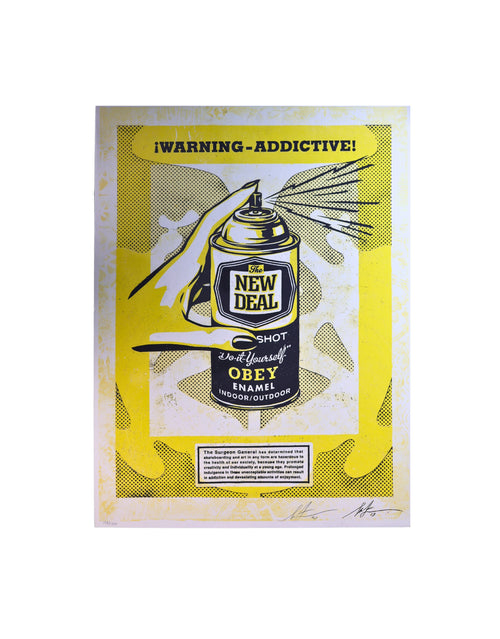
- Shepard Fairey pieces generally do not come with an artist-issued COA; confidence rests on provenance and buying from a reputable dealer. Keep your purchase records and any dealer documentation especially well organized. See our Shepard Fairey buyer's guide.
- DEATH NYC works typically arrive with a COA and a gold seal — retain both.
- KAWS and BE@RBRICK figures are commonly authenticated via TrueCOA; record the certificate details. See the KAWS authentication guide.
- Signed music memorabilia should carry third-party authentication such as Beckett, JSA, or PSA — keep the certification number and matching photos.
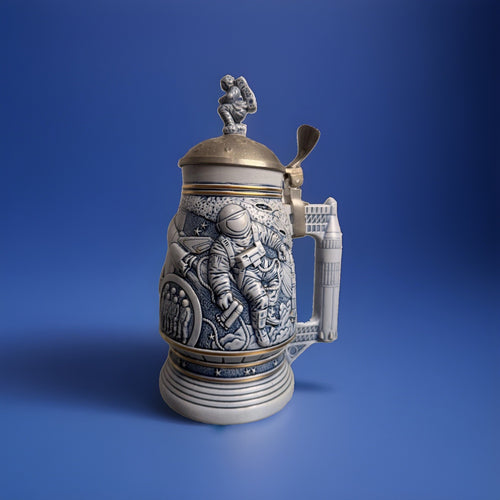
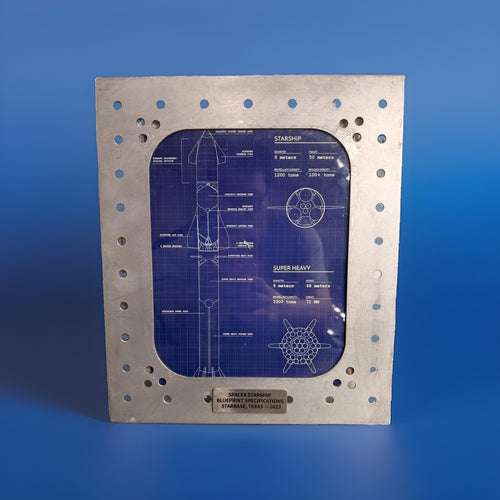
- Apollo-era and space memorabilia rely heavily on provenance and category specialists; documentation of the item's history is central. See our Apollo 11 authentication guide.
When you buy from an authenticated dealer, much of this archive is handed to you at purchase, which is one practical reason provenance-first buying makes later insuring and appraising far easier. You can browse authenticated pieces across categories in our full collection, and our buyer's guides cover authentication expectations artist by artist.
Keeping records current as values change
A collection is not a static asset. Editions sell out, an artist's market heats up, a figure that retailed modestly becomes hard to find — and an appraisal from four years ago may badly understate (or occasionally overstate) what you own today. Under-insuring is the more common and more painful error: you pay premiums for years, then discover at claim time that your scheduled value is half of replacement cost.
Put value maintenance on a schedule rather than leaving it to memory:
- Re-appraise high-value pieces every 2–3 years, and sooner for anything in a fast-moving market.
- Add every new acquisition to the archive immediately — photos, receipt, COA, provenance — and schedule it with your insurer within any grace window.
- Review your total scheduled value annually against current market context so your limits keep pace.
- Record deaccessions — when you sell or gift a piece, remove it from the schedule so you're not paying premiums on something you no longer own.
The Collector's Hub is a useful starting point for building this habit, and the Financial Insights hub helps you sanity-check whether a category has moved enough to warrant a fresh appraisal.
Special situations: transit, theft, disaster, and estates
A collection meets its greatest risks in motion and at transition points, not sitting quietly on a shelf. Plan for these before they happen.
Transit and shipping
Pieces are most vulnerable when they move — to a framer, a show, a photographer, or a new home. Confirm your policy covers items in transit and while temporarily away from your premises, and pack to a professional standard: acid-free materials for works on paper, corner protection and glass-taping for framed pieces, and original packaging for figures whenever you have it. Damaged or lost original boxes materially reduce the value of many designer toys, so store them. For high-value shipments, use a carrier and service level that provides real declared-value coverage rather than a token limit.
Theft and disappearance
Theft claims turn on proof of ownership and identity of the specific item — which is exactly what your photo-and-receipt archive provides. Many specialist policies also cover "mysterious disappearance," where an item is simply gone with no evidence of a break-in; standard homeowner's coverage usually does not. Photographing serial numbers, edition marks, and any COA seals gives police and insurers a way to identify a recovered piece.
Fire, flood, and environmental damage
Where and how you display a collection affects both risk and claims. Keep works on paper out of direct sunlight and away from humidity swings; avoid hanging valuable pieces on exterior or below-grade walls prone to water intrusion. A cloud-backed archive matters most here, because the same fire or flood that damages the art can destroy the paperwork sitting next to it.
Estates and gifting
When a collection passes to heirs or is donated, the relevant number shifts from replacement value to fair market value, and a separate, purpose-appropriate appraisal is usually required. Keeping provenance and appraisal history current throughout your ownership makes this transition far smoother for whoever inherits the responsibility — and prevents a valuable collection from being undervalued or misidentified by people who didn't build it.
Common mistakes collectors make
- Assuming the homeowner's policy "probably covers it." It almost never covers a serious collection to replacement value. Confirm the actual sublimit in writing.
- Insuring to the wrong value. Using a fair-market or purchase-price figure for insurance leaves you unable to replace the piece at retail after a loss.
- Letting appraisals go stale. A rising market silently under-insures you; a report from years ago may not reflect a doubled value.
- Thin or missing documentation. No photos of the signature and edition mark, no receipt, no COA scan — each gap weakens a claim.
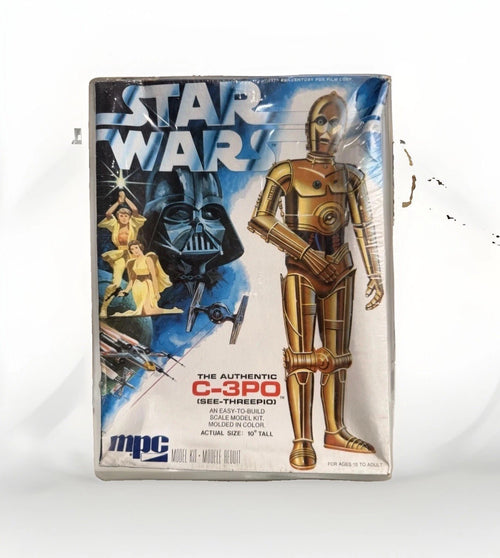
- Discarding original packaging. For figures and toys, the box is part of the value and sometimes part of the authentication.
- Storing the archive in one place. Paper records that burn with the collection help no one; back everything up off-site or in the cloud.
Choosing a specialist insurer
Once your pieces are appraised and documented, place them with an insurer that understands collectibles. Specialist fine-art and collectibles insurers differ from mass-market carriers in ways that matter at claim time.
- Agreed value on scheduled items — they pay the stated amount on a total loss, without a depreciation fight.
- All-risk coverage — protection for accidental breakage, transit, and often mysterious disappearance, not just named perils.
- Category expertise — claims handlers who know how to source a comparable replacement for a specific print run or figure.
- Restoration and diminished-value provisions — coverage that pays for professional conservation and, where a repaired piece is worth less afterward, the loss in value.
- Flexible documentation — many will schedule modest items on a receipt or dealer invoice and reserve formal appraisals for higher-value pieces.
Questions to ask before you buy a policy
- Is each scheduled item covered on an agreed-value basis?
- Are accidental breakage and transit included, and up to what limits?
- What documentation do you require to schedule an item, and at what value threshold do you require a formal appraisal?
- How are newly acquired pieces covered before I schedule them?
- How do you source replacements, and will you pay cash if an equivalent can't be found?
Frequently asked questions
Do I need a professional appraisal to insure my collection?
Not always. Many specialist insurers will schedule lower-value items using your purchase receipt or dealer invoice, and reserve formal appraisals for higher-value pieces above a stated threshold. For anything valuable or hard to replace, a current replacement-value appraisal protects you at claim time and is usually worth the cost.
What is the difference between replacement value and fair market value?
Replacement value is what it costs to buy a comparable piece at current retail — the right basis for insurance. Fair market value is the price a willing buyer and seller would agree on in the open market, typically lower, and is used for estate, tax, and donation purposes. Insuring to fair market value can leave you short of the cost to actually replace a piece.
How often should I update my appraisals and coverage?
Re-appraise high-value pieces every two to three years, and sooner for anything in a fast-moving market. Add each new purchase to your archive and schedule immediately, review your total scheduled value once a year, and remove pieces you've sold so you're not over-paying.
Can I just increase my homeowner's policy limits instead?
Usually not adequately. Homeowner's policies apply category sublimits, named-peril restrictions, and depreciation to collectibles, so raising the overall limit rarely fixes the specific gaps. Scheduling pieces on a fine-art or collectibles policy — or adding a valuable-articles rider — addresses agreed value, breakage, and transit that a homeowner's policy typically won't.
What documentation matters most if I need to file a claim?
Photographs (including signatures, edition marks, and any COA seals), original receipts or invoices, certificates of authenticity where the piece includes one, provenance records, and a current appraisal. Keep this archive backed up in the cloud so it survives the same event that damages the collection.
How does authentication affect insuring an art or toy collection?
Insurers and appraisers rely on authentication to establish value, and it varies by maker — Shepard Fairey rests on provenance and dealer trust, DEATH NYC ships with a COA and gold seal, KAWS and BE@RBRICK commonly use TrueCOA, and signed music uses Beckett, JSA, or PSA. Document the correct chain for each piece rather than assuming a single universal certificate.
Buy and authenticate with confidence
The easiest collection to insure and appraise is one that arrived documented in the first place. When you buy from an authenticated dealer, provenance, receipts, and the correct certificate come with the piece — so scheduling it and valuing it later is straightforward. Explore authenticated art and collectibles across every category in our full collection, start with the Collector's Hub for how to build your archive, and use our buyer's guides to understand exactly what authentication to expect before you buy.