

Featured image: AI-generated interior concept using product reference photography. Scale, setting, framing, and placement are illustrative.
The subtle impact of color in collectible objects
The decision between seemingly similar colorways for a collectible object, such as the KAWS Companion Flayed in brown or black, often appears minor at first glance. Yet, for an interior designer or architect, these nuanced choices profoundly influence a room's overall material palette, visual weight, and emotional resonance. It is rarely just about personal preference; it is about how the object interacts with light, texture, and surrounding colors. A collectible, especially one with significant sculptural presence, acts as a focal point and a contributing element to the established design language of a space. Ignoring these subtleties can lead to an object feeling isolated or, conversely, disappearing into its surroundings, failing to achieve its intended impact. The KAWS Companion Flayed, with its iconic form and compelling dissected anatomy, offers a unique opportunity to explore these dynamics. The figure, approximately 11 inches tall, presents a substantial, yet not overwhelming, presence that demands thoughtful placement. Its vinyl material provides a smooth surface, capable of reflecting ambient light, which further complicates the color decision. We must consider how the chosen hue will either anchor a composition or provide a deliberate visual counterpoint, always with an eye toward the broader design narrative of the residential interior.
This essay will dissect the practical implications of choosing between the brown and black versions of the KAWS Companion Flayed figures, moving beyond simple aesthetic preference to consider their interaction with various material palettes. We will examine how each color responds to different lighting conditions, how they can complement or contrast with wood tones and other finishes, and how their visual weight contributes to the density of an arrangement. The goal is to provide a framework for making an informed decision that enhances the overall design, ensuring the collectible functions as an integral part of the curated environment. By exploring specific design scenarios and the inherent characteristics of each colorway, we can elevate the conversation around object selection from mere acquisition to a deliberate act of design, ensuring the KAWS Companion Flayed finds its rightful, impactful place within a client’s home.
Understanding the visual characteristics of brown and black vinyl
Before integrating either the brown or black KAWS Companion Flayed into a design, it is crucial to understand the inherent visual characteristics of these specific colorways in vinyl. Black, in its purest form, absorbs most light, making it a powerful anchor in any composition. This absorption can create a sense of depth and weight, often making objects appear more substantial and defined. When applied to a sculptural form like the Flayed Companion, the black vinyl will tend to minimize surface details from a distance, allowing the silhouette and overall form to dominate. Up close, however, the subtle sheen of the vinyl will catch highlights, revealing the intricate lines of KAWS's dissection and the texture of the material itself. The interior elements of the figure – the exposed brain, organs, and bones – will appear more starkly contrasted against the deep black exterior, drawing the eye directly to these anatomical details. This high contrast can be a deliberate design choice, emphasizing the figure's conceptual narrative.
The brown KAWS Companion Flayed presents a different set of visual properties. This particular brown is a mid-tone, leaning towards a warm, earthy hue rather than a rich, dark chocolate. Unlike black, brown reflects more light, allowing its color and form to be perceived with greater nuance, even from a distance. The warmth of the brown can evoke a sense of grounding and natural connection, often harmonizing with organic materials. On the vinyl surface, this brown will exhibit a softer sheen compared to black, and its reflections will be less stark, appearing more diffused. The internal dissected elements, while still distinct, will integrate more subtly with the brown exterior, creating a less dramatic, more cohesive visual flow. This means the brown version might feel less imposing and more inviting, depending on the surrounding palette. The choice, therefore, hinges on whether the design calls for a dramatic focal point or a more integrated, understated presence. The slight variations in how light interacts with each color are fundamental to their perceived impact within a room.
Contrast and integration on pale surfaces
When designing a space dominated by pale surfaces, think off-white walls, light oak flooring, or cream upholstery, the choice between a brown and black KAWS Companion Flayed becomes a study in contrast versus integration. A black figure, placed against a light backdrop, will immediately command attention. Its strong silhouette will pop, creating a bold, graphic statement. This high contrast can be particularly effective in minimalist interiors where a single, impactful object is desired to break up expanses of neutral tones. Imagine a black KAWS Companion Flayed on a white plinth in a gallery-like living room with pale grey walls and natural linen textiles. The figure becomes an undeniable focal point, its dark form providing a visual anchor that grounds the airy space. The internal, colorful anatomy will be even more vibrant against the black exterior and pale surroundings, drawing the eye to its intricate details and adding a surprising burst of color. This approach is about deliberate punctuation, using the object to introduce visual weight and a clear point of interest.
Conversely, the brown KAWS Companion Flayed offers a softer, more integrated approach on pale surfaces. While still providing contrast, its warmer, mid-tone hue will create a gentler transition from the object to its background. This can be desirable in spaces aiming for a more serene or organic aesthetic, where harsh lines and stark contrasts are avoided. Consider a brown KAWS Companion Flayed positioned on a bleached wood console table against a subtly textured beige wall. The brown resonates with the natural tones of the wood, creating a harmonious dialogue without disappearing. The figure still stands out, but its presence is less assertive, more inviting. The internal colors, while still visible, will blend more seamlessly into the overall warm palette. This choice fosters a sense of unity, allowing the object to contribute to the overall warmth and texture of the room rather than dominating it. The brown version can bridge the gap between light and dark elements, acting as a sophisticated mediator within a carefully curated, lighter scheme.
Visual weight and reflection on dark surfaces
Introducing either the brown or black KAWS Companion Flayed into a room with predominantly dark surfaces, such as charcoal walls, dark walnut cabinetry, or deep indigo upholstery, presents a different set of considerations regarding visual weight and how light reflects off the vinyl. A black KAWS Companion Flayed on a dark surface will naturally recede. This can be a strategic choice for a designer who wants the object to be discovered rather than immediately apparent, or to contribute to a moodier, more sophisticated ambiance. When placed on a dark, matte surface, the black figure might almost blend in, with only its subtle sheen and the vibrant internal anatomy providing definition. The effect is one of understated luxury, where the object’s presence is felt more through its form and the unexpected pop of internal color than through stark contrast. Imagine a black KAWS Companion Flayed nestled within a dark, open-shelving unit against a deep navy wall, surrounded by books and other curated objects. It becomes a subtle, intriguing element, revealing its details upon closer inspection, rather than demanding immediate attention. The reflections on the black vinyl will be sharp and precise, picking up any ambient light sources and creating small, bright highlights that accentuate its contours.
The brown KAWS Companion Flayed, however, offers a more distinct presence against dark backgrounds. Its mid-tone warmth will provide a noticeable contrast, preventing it from disappearing entirely. This creates a visual break, allowing the figure to stand out without being as stark as a lighter color would be. For instance, placing the brown KAWS Companion Flayed on a polished black marble side table in a room with dark wood paneling would allow its earthy tones to emerge, adding a touch of warmth and breaking the potential monotony of an all-dark scheme. The brown will reflect light more diffusely than black, creating softer highlights that gently illuminate its form. This can be particularly effective in spaces where a rich, layered aesthetic is desired, allowing the object to contribute to the depth of the palette without overwhelming it. The brown offers a bridge between the dark background and any lighter elements in the room, making it a versatile choice for creating visual interest in a deeper, more saturated environment. The choice here depends on whether the goal is to create a subtle, integrated depth or a more defined, yet still harmonious, point of interest.
Harmonizing with wood tones and surrounding objects
The interplay of the KAWS Companion Flayed figures with wood tones and the density of surrounding objects is a critical consideration for designers. Wood introduces natural warmth, texture, and often a visible grain that can either complement or compete with a collectible. For lighter woods, such as maple, ash, or light oak, the black KAWS Companion Flayed can create a striking contemporary contrast. The dark, sleek vinyl provides a modern counterpoint to the organic, often rustic, feel of light wood. This pairing works well in modern minimalist or Scandinavian-inspired interiors where clean lines and natural materials are paramount. The black figure grounds the composition, preventing the lighter wood from feeling too insubstantial. For instance, on a floating light oak shelf, flanked by a few carefully chosen books and a minimalist ceramic vase, the black KAWS creates a strong visual anchor, its form sharply defined against the light wood and any pale wall behind it. The internal colors of the figure would pop vividly, adding an unexpected layer of detail.
Conversely, the brown KAWS Companion Flayed naturally harmonizes with a broader spectrum of wood tones, particularly warmer and richer varieties like walnut, cherry, or teak. Its earthy hue often echoes the natural pigments found in these woods, fostering a sense of cohesion and understated elegance. On a deep walnut credenza, for example, the brown figure would integrate seamlessly, its subtle presence enhancing the warmth and richness of the wood without creating a jarring contrast. It would feel like a natural extension of the material palette, rather than an interruption. The internal anatomical details would still be visible, but their impact would be softer, contributing to a more nuanced visual experience. When considering the density of surrounding objects, the brown version tends to blend more easily into a curated vignette, especially one with other organic materials, ceramics, or textured elements. It can contribute to a layered look without adding undue visual weight. The black version, by contrast, due to its strong visual presence, might require more breathing room and fewer surrounding objects to maintain its impact, acting as a singular statement piece within a sparse arrangement. The goal is to ensure the figure feels intentionally placed, whether as a bold contrast or a harmonious addition to the existing material language.
Hypothetical Project 1: The minimalist urban loft with a light palette
Consider a hypothetical project: an urban loft designed for a client who appreciates minimalist aesthetics, natural light, and a curated selection of art and objects. The space features polished concrete floors, expansive white walls, and custom cabinetry in a light, bleached ash wood. The furniture is upholstered in neutral tones of cream and light grey linen, with occasional accents of brushed stainless steel and matte white ceramics. The overall mood is serene, spacious, and sophisticated, with an emphasis on clean lines and understated luxury. The client desires a collectible object that introduces an element of contemporary art without disrupting the calm, airy atmosphere. The KAWS Companion Flayed figure is an ideal candidate due to its iconic status and compelling form.
In this context, the black KAWS Companion Flayed would be the more impactful choice. Placed on a low, minimalist white lacquer console table in the main living area, against a stark white wall, the black figure would create a dramatic focal point. Its dark silhouette would provide a powerful contrast to the pale surroundings, drawing the eye immediately. This deliberate visual punctuation would prevent the expansive white walls from feeling monotonous, injecting a dose of modern edge. The glossy finish of the black vinyl would catch the ample natural light from the loft's large windows, creating sharp highlights that define its sculptural form. The vibrant, multi-colored internal anatomy would truly pop against the black exterior and the light background, offering a surprising burst of color and intricate detail that invites closer inspection. The object would feel like a deliberate, artistic statement, embodying the client's appreciation for contemporary design and art without cluttering the minimalist aesthetic. It would serve as a singular, strong element, reinforcing the clean lines and refined simplicity of the urban loft.
Hypothetical Project 2: The classic contemporary study with a rich palette
Now, let’s consider a different hypothetical project: a home study within a classic contemporary residence. The client, a connoisseur of fine materials, desires a space that feels rich, inviting, and contemplative. The room features dark walnut built-in bookshelves, walls painted in a deep forest green, and a plush Persian rug in tones of burgundy and navy. The desk is a substantial piece of polished mahogany, and the armchair is upholstered in dark, aged leather. Accent lighting is warm and directional, designed to highlight specific objects and textures. The overall ambiance is one of sophisticated comfort and intellectual depth. The client seeks a collectible that adds a touch of modern art to this traditional-leaning, yet contemporary, environment, one that feels integrated rather than jarring.
For this study, the brown KAWS Companion Flayed would be the superior choice. Positioned on a prominent shelf within the walnut bookshelves, perhaps next to a collection of antique books or a bronze sculpture, the brown figure would harmonize beautifully with the existing material palette. Its earthy, mid-tone brown would resonate with the rich hues of the walnut and mahogany, creating a sense of continuity and warmth. The figure would not disappear, but rather integrate gracefully, its presence adding a contemporary layer without clashing with the traditional elements. The subtle sheen of the brown vinyl would reflect the warm accent lighting softly, highlighting its form without creating harsh contrasts. The internal anatomical colors, while still distinct, would blend more subtly into the overall rich and warm color scheme, offering a nuanced detail rather than a stark interruption. The brown KAWS would feel like a natural, thoughtful addition to the client's curated collection, enhancing the room's character and providing a quiet moment of modern intrigue within a deeply satisfying, classic contemporary study. It would underscore the client's appreciation for art that complements, rather than competes with, its surroundings.
Making the final decision with your client
The process of selecting the ideal colorway for a KAWS Companion Flayed figure, or any significant collectible, should be a collaborative one between designer and client. While your expertise in material palettes, lighting, and visual weight is paramount, the client’s emotional connection to the object and their personal aesthetic preferences ultimately drive the final decision. To facilitate this, prepare visual aids that clearly demonstrate the impact of each colorway within the proposed space. This might involve digital mock-ups, rendered perspectives, or even physical samples of materials and finishes alongside images of both the brown and black figures. A comparative table or mood board can also be an effective tool.
Begin by presenting the core design intent for the room and how a collectible object fits into that narrative. Explain the principles of contrast and integration, using the examples of pale and dark surfaces discussed previously. Show how the black figure creates a bold statement, ideal for a minimalist, high-contrast scheme, emphasizing its graphic quality and how its internal colors pop. Then, present the brown figure, illustrating its ability to blend more harmoniously with warmer, richer palettes, highlighting its subtle presence and how it can contribute to a layered, cohesive look. Discuss the implications of lighting: how the black figure’s sharp reflections might stand out in a brightly lit room, versus the softer, diffused reflections of the brown figure in a more ambiently lit space. Explore the existing wood tones and furniture, explaining how each colorway would interact with these elements, whether to create a deliberate contrast or a seamless integration.
Encourage the client to articulate their feelings about each option. Do they prefer a strong, eye-catching focal point, or something that feels more integrated and discovered? Does the warmth of the brown resonate more with their personal comfort, or does the sleekness of the black align better with their modern sensibilities? Sometimes, a client's initial preference might shift once they understand the practical implications and visual outcomes. For instance, a client initially drawn to black might realize, after seeing a mock-up, that the brown figure creates a more inviting atmosphere in their richly appointed study. Conversely, a client who leans towards warmer tones might appreciate the graphic punch the black delivers in an otherwise ethereal, light-filled space. This guided comparison allows the client to make an informed decision that aligns with both their aesthetic desires and the functional demands of the interior design. The goal is not to impose a choice, but to empower the client with the knowledge to make the best choice for their unique space and vision, ensuring the KAWS Companion Flayed becomes a cherished and perfectly integrated element of their home.
Ultimately, the choice between the brown and black KAWS Companion Flayed is a microcosm of larger design decisions, reflecting the delicate balance between form, color, material, and context. Both figures offer the same iconic KAWS aesthetic, the compelling dissection of the Companion form, and the quality of a Medicom Toy production. The difference lies in their interaction with the surrounding environment. The black version asserts itself, demanding attention with its stark contrast and sharp reflections, making it an ideal choice for spaces that benefit from a strong, modern focal point, especially against lighter backgrounds. It embodies a bold, graphic statement, allowing its internal details to shine with heightened intensity. This makes it perfect for minimalist, contemporary settings where a singular, impactful art object is desired to punctuate an otherwise serene palette.
The brown version, on the other hand, offers a more nuanced presence. Its warmer, mid-tone hue allows for greater integration, particularly within richer, more organic material palettes or against darker backgrounds. It creates a softer contrast, diffusing light more gently and contributing to a layered, cohesive aesthetic. The brown figure can bridge the gap between various textures and tones, fostering a sense of harmony and understated sophistication. It is particularly effective in spaces where the goal is to enhance warmth and depth without overwhelming the existing design. The choice between these two, therefore, is not about one being inherently superior, but about which colorway serves the specific design intent and complements the unique characteristics of the room it will inhabit. It is about understanding how each color manifests its visual weight, reflects ambient light, and engages with the surrounding material and color palette. A successful integration ensures that the KAWS Companion Flayed becomes more than just a collectible; it transforms into an indispensable element of the curated interior, speaking to the client's taste and the designer's thoughtful execution.
Before making a final specification, always confirm current availability and condition of the figure. To explore these iconic figures further, you can view the Brown KAWS Companion Flayed and the Black KAWS Companion Flayed on our gallery site.
Shop KAWS
Explore current pieces available from the gallery.
-
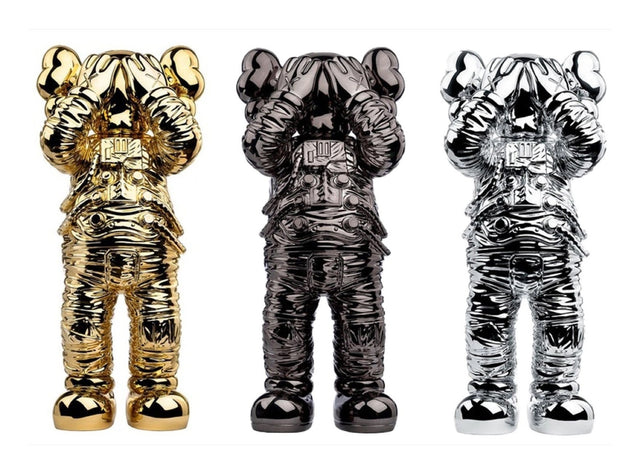
KAWS Holiday Space Set of 3 Gold Black Silver Companion Astronaut Figure Rare
$2,900.00 USD
-
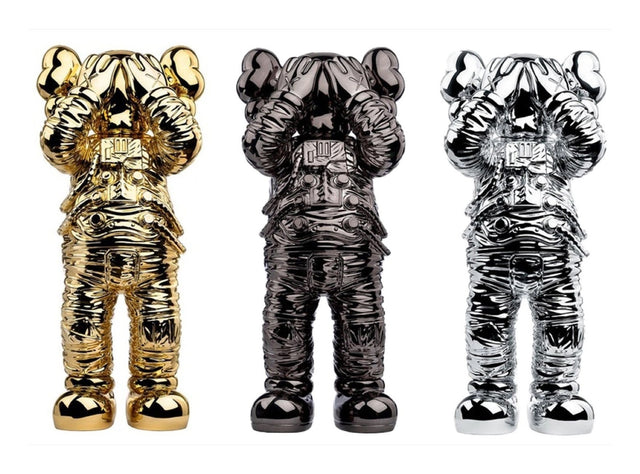
KAWS Holiday Space Set of 3 Gold Black Silver Companion Astronaut Figure
$2,900.00 USD
-
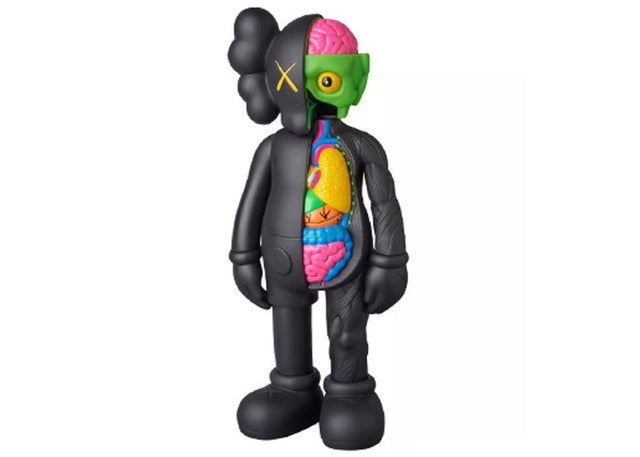
KAWS Companion Flayed Open Edition Black Medicom Toy Dissected Sealed New Figure
$599.00 USD
-
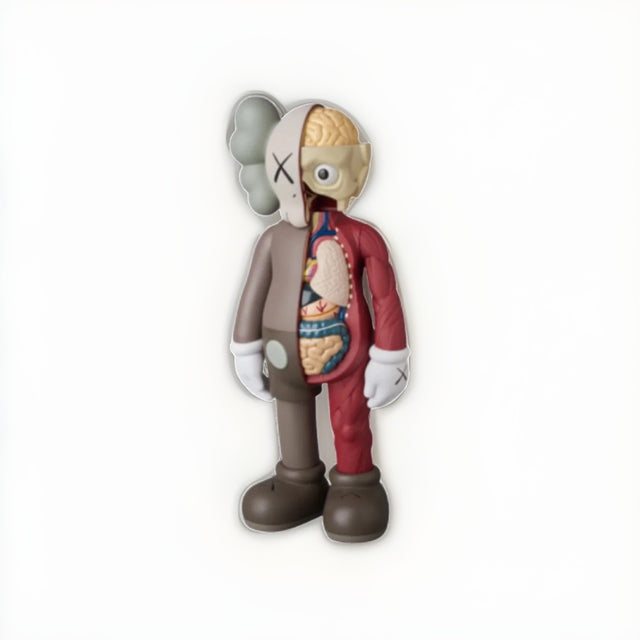
KAWS Companion Flayed Open Edition Brown Medicom Toy Dissected Sealed New Figure
$349.00 USD
-
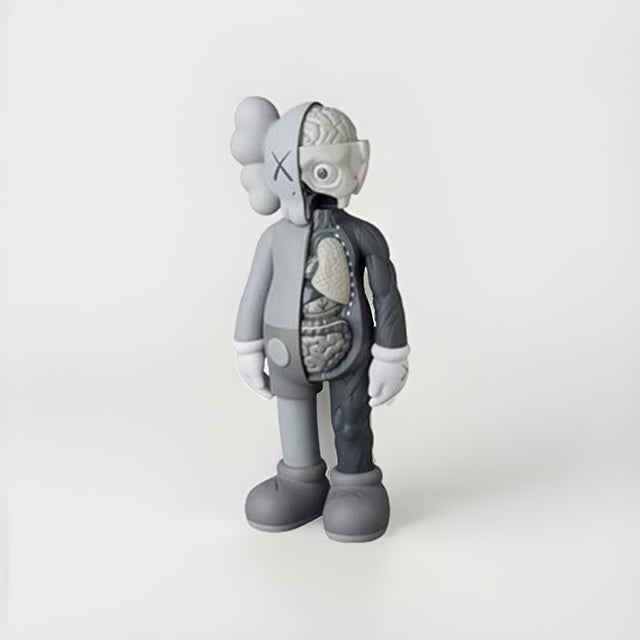
KAWS Companion Flayed Open Edition Grey Medicom Toy Dissected Sealed New Figure
$349.00 USD
Browse the collection for current listings.