Best Marketplaces for Designer Art Toys & Figurines, Compared (2026)
The best marketplace for designer art toys and figurines depends on what matters most to you: guaranteed authenticity, the lowest price, or the widest selection. For high-value collectibles like KAWS figures and BE@RBRICKs, an authenticated specialist dealer or gallery (such as Gauntlet Gallery) offers the strongest buyer protection and verified authenticity, while official retail and brand lotteries (KAWSONE, Medicom, BAIT) give you the best price on brand-new releases if you can win the draw. General resale marketplaces (eBay, StockX, Grailed) offer the deepest selection but put authentication risk largely on you, and auction houses suit rare, blue-chip pieces where provenance and record prices justify the buyer's premium. In short: buy new from official channels when you can, buy authenticated secondary from a specialist when you cannot, and treat open marketplaces as buyer-beware.
The four channel types, and what each is actually good at
"Where should I buy?" is really four different questions, because the designer-toy market runs across four distinct channel types. Each optimizes for something different, and no single channel wins on every axis. Understanding the trade-offs is how you avoid overpaying, buying a fake, or missing a release entirely.
1. Official retail and brand lotteries
This is the primary market: buying a figure brand-new, at retail, directly from the artist's or manufacturer's channel. For KAWS that means KAWSONE and select stockists; for BE@RBRICK it means Medicom Toy's own store and authorized retailers like BAIT, DSMG, and other partners. Popular drops are often sold via online lottery (a "raffle" or "draw") because demand vastly exceeds supply.
- Best for: lowest price on new releases, guaranteed authenticity (it came straight from the source), factory-fresh condition.
- Watch out for: you usually can't just buy — you enter a lottery and hope. Hyped figures sell out in seconds and immediately trade above retail on the secondary market. Regional restrictions and shipping limits are common.
2. Specialist dealers and galleries
These are curated sellers who focus on contemporary art and designer collectibles, authenticate what they sell, and stand behind it. Gauntlet Gallery sits here: an authenticated specialist that vets each piece, documents condition and provenance, and applies the correct authentication path for each artist rather than a one-size-fits-all sticker.
- Best for: buyers who want authenticity handled for them, clear condition reporting, and a real point of contact. Strong for secondary-market figures that are sold out at retail but where you don't want to gamble on an anonymous listing.
- Watch out for: you pay for the curation and the guarantee, so prices sit above the cheapest open-marketplace listing. That premium is the cost of removing authentication risk.
3. General resale marketplaces
eBay, StockX, Grailed, Mercari, and similar platforms are the largest pools of inventory by far. Some (like StockX) run their own authentication step on certain categories; most (like eBay and Mercari) are open peer-to-peer venues where the platform provides a payments-and-disputes layer but does not vouch for authenticity on every item.
- Best for: selection and price discovery. If a specific figure exists, it's probably listed somewhere here, and you can compare many sellers at once.
- Watch out for: authentication is largely on you. Counterfeit KAWS companions and fake BE@RBRICKs circulate widely. Buyer protection exists but is reactive — you open a dispute after a problem, rather than avoiding it up front.
4. Auction houses
Traditional houses (Sotheby's, Christie's, Phillips, Bonhams) and their online-only sales now regularly feature KAWS, BE@RBRICK, and other designer collectibles, especially rarer or large-format pieces. Provenance is typically documented and the house's reputation backs the lot.
- Best for: rare, high-value, or historically significant pieces; buyers who value documented provenance and a paper trail.
- Watch out for: buyer's premiums (often 20%+ on top of the hammer price), and competitive bidding that can push final prices well above secondary-market norms. Not the place for everyday, in-production figures.
Comparison table: designer art toy marketplaces at a glance
| Channel type | Examples | Authenticity assurance | Typical price vs. market | Buyer protection | Best for |
|---|---|---|---|---|---|
| Official retail & lotteries | KAWSONE, Medicom Toy, BAIT, DSMG | Highest — direct from source | Retail (lowest for new) | Standard retailer returns | New releases, if you win the draw |
| Specialist dealer / gallery | Gauntlet Gallery | High — vetted & documented per artist | Above cheapest listing (curation premium) | Strong — dealer stands behind the piece | Authenticated secondary, peace of mind |
| General resale marketplace | eBay, StockX, Grailed, Mercari | Variable — some authenticate, many don't | Widest range; often lowest and highest | Reactive — dispute after the fact | Selection, price comparison |
| Auction house | Sotheby's, Christie's, Phillips | High — documented provenance | Premium (hammer + buyer's premium) | Strong for provenance; final sale | Rare, blue-chip, large-format pieces |
Authenticity: the single biggest reason to choose your channel carefully
Designer art toys are among the most-faked collectibles in the world. Counterfeit KAWS "Companion" figures, fake BE@RBRICKs, and reboxed knock-offs are common on open marketplaces, and the good ones are convincing in photos. This is why the channel you buy through matters more than any single visual "tell." Rather than trying to spot a fake from a listing photo, the durable strategy is to buy where authenticity is already handled — or to know the authentication path for each artist before you commit.
The reason fakes thrive is structural. These figures are mass-produced vinyl and resin objects, not hand-signed one-offs, so a convincing replica is easier to make than a forged painting — and the price gap between a genuine figure and a good fake is large enough to motivate counterfeiters. Photographs flatten exactly the details that separate real from fake: the weight and finish of the vinyl, the crispness of the box printing, the paint registration, and the presence of a verifiable certificate. That is why "the listing looked legit" is one of the most common regrets on open marketplaces, and why the channel — not the photo — is your real line of defense.
How authentication works by artist
- KAWS & BE@RBRICK / Medicom: the modern gold standard is third-party verification. Where applicable, pieces are backed by TrueCOA blockchain certification, so a certificate ties to the specific object rather than a generic printout. Original packaging, correct box printing, and consistent finish all matter, but a verifiable COA is the anchor. See our KAWS buyer's guide and BE@RBRICK buyer's guide for what to check.
- Provenance over gut feel: for any figure, the paper trail — where it came from, prior ownership, receipts, and documentation — is worth more than a single close-up photo. Reputable specialist sellers document this for you.
- Condition transparency: designer toys are graded partly on box and figure condition. A seller who photographs the box, notes any yellowing, dents, or paint rubs, and is explicit about "displayed vs. sealed" is giving you the information a fake or a misrepresented piece tends to hide.
A practical rule: the higher the value of the figure, the more you should weight authenticity assurance over headline price. Saving 15% on a listing you can't verify is a bad trade if the downside is a total loss on a counterfeit.
Price: where each channel actually lands
Price behaves differently across channels, and "cheapest" is not the same as "best value." Here's the realistic hierarchy for an in-production or recently released figure:
- Official retail (lowest, if available): nothing beats retail price — but availability is the catch. Hyped figures are lottery-only and sell out instantly.
- Open marketplaces (widest spread): you'll find both the lowest asking prices and inflated ones. The lowest listings often carry the most authentication risk. Use them for price discovery and comps.
- Specialist dealer / gallery (mid, with assurance built in): priced above the cheapest open listing because authentication, condition documentation, and buyer protection are included. For a serious buyer, that's often the best total-cost-of-ownership once you price in risk.
- Auction (premium): best final prices tend to appear here for rare pieces, driven up by buyer's premiums and competition.
For grounding your expectations with real market context rather than a single seller's asking price, our Financial Insights resource tracks how designer-collectible values move over time. Use it to sanity-check whether a listing is a deal, fair, or a reach — and remember that prices vary widely by edition, size (100%, 400%, 1000% for BE@RBRICKs), colorway, and condition.
Know what you're buying: sizes, formats, and editions
Part of choosing the right marketplace is knowing exactly which version of a figure you're after, because the same character can exist in wildly different sizes, editions, and price brackets. Getting specific protects you from paying a large-figure price for a small one — a common mistake on fast-moving open marketplaces.
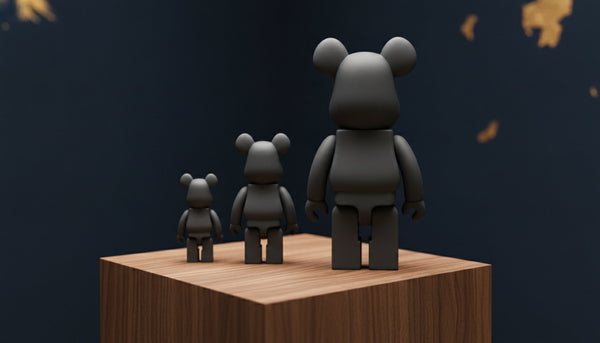
- BE@RBRICK scale (%): Medicom's bear figures are sold by percentage of a base size. A 100% BE@RBRICK is roughly palm-sized, 400% is the popular mid-size display piece, and 1000% is the large statement figure. Sizes are frequently sold as sets (a 100%+400% pairing is common), and price scales sharply with size — so "BE@RBRICK [artist]" alone is not enough; confirm the percentage.
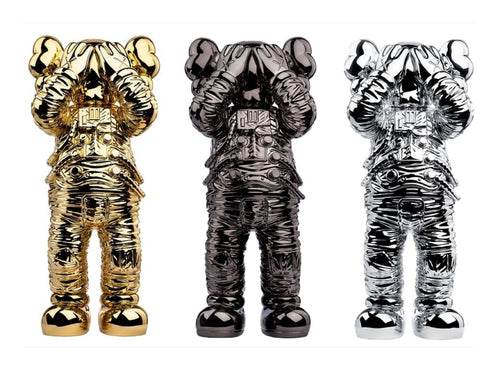
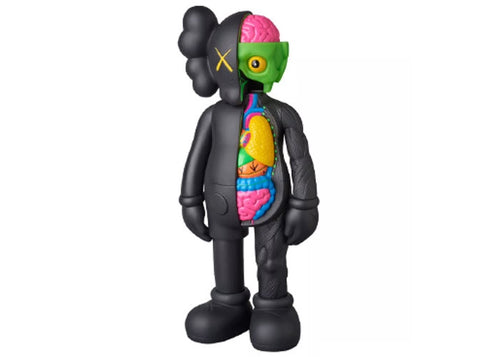
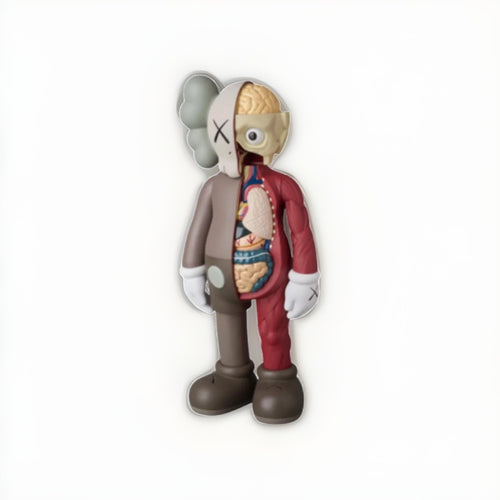
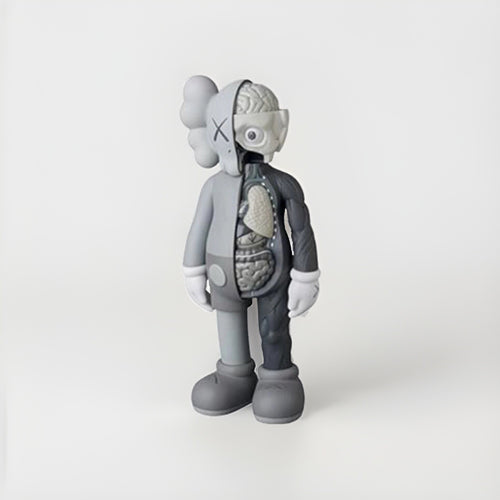
- KAWS formats: KAWS releases range from smaller vinyl "Companion" and "BFF" figures to large-format and one-off works. Colorway (e.g., black, grey, brown, or seasonal variants) materially affects value, as does whether the figure is open or sealed.
- Edition and release context: whether a piece was an open release, a numbered edition, or a limited collaboration changes both rarity and price. A reputable seller states this plainly.
When you compare listings across channels, compare like for like: same size, same colorway, same condition, same completeness (figure plus original box and inserts). A specialist listing that spells all of this out is easier to trust than an open-marketplace listing that leaves you guessing — and it makes any price comparison actually meaningful.
Condition, packaging, and shipping — the details that decide value
With mass-produced collectibles, condition is a huge share of value, and it's the part most likely to be glossed over in a rushed listing. Two seemingly identical figures can differ significantly in price based on box and figure condition alone.
- The box is part of the collectible. Original packaging in clean condition matters. Crushed corners, tape damage, price stickers, and sun-fading all reduce value. Ask for photos of all sides of the box, not just the front.
- Sealed vs. displayed. A factory-sealed figure commands a premium over one that's been opened and displayed. Neither is "wrong," but they should be priced differently — and described honestly.
- Common condition issues. Vinyl can yellow over time, paint can rub or chip, and joints can loosen. A transparent seller notes these; a risky listing hides them behind flattering angles.
- Shipping matters for fragile pieces. Larger figures (400% and up) are heavy and vulnerable in transit. Proper double-boxing and insurance protect both the piece and your money. A specialist dealer packs to protect value; an anonymous seller's packing is a gamble.
This is another place where a specialist channel earns its premium: condition is documented before you buy, and the piece is packed to arrive as described.
Buyer protection: what recourse do you actually have?
Every channel offers some protection, but the mechanism and the burden of proof differ.
- Official retail: standard retailer return windows and consumer protections. Straightforward, but lotteries and hyped drops are frequently marked final sale.
- Specialist dealer / gallery: the dealer's reputation is the protection. Because they authenticated and described the piece, they have a direct stake in it being exactly as represented — and a named party to contact if it isn't.
- General marketplaces: platform-level buyer protection (money-back guarantees, dispute resolution) is real but reactive. You typically pay first, receive the item, then must open a case and make your argument if something's wrong. Authentication programs on some platforms help for specific categories but don't cover everything.
- Auction: strong provenance guarantees and conditions of sale, but bids are binding and most sales are final. Read the conditions before you raise your paddle.
Where Gauntlet Gallery fits
Gauntlet Gallery is an authenticated specialist for contemporary art and designer collectibles — including KAWS figures and BE@RBRICK / Medicom pieces, alongside artists like Shepard Fairey, Banksy, Invader, and DEATH NYC. The model is deliberately the opposite of an anonymous marketplace listing: every piece is vetted, condition is documented, and the correct authentication path is applied per artist rather than a blanket claim.
That means for KAWS and BE@RBRICK we lean on TrueCOA blockchain certification, so a certificate is tied to the specific object. For each category we publish plain-language buyer's guides so you understand what you're buying and how it's authenticated before you commit. If your priority is "I want this figure and I want to be certain it's real and accurately described," a specialist channel removes the part of the transaction that causes the most regret on open marketplaces. If your priority is the absolute lowest number and you're comfortable doing your own authentication, an open marketplace or a retail lottery may suit you better — and that's a legitimate choice too.
How to choose: a quick decision framework
- Is it a brand-new release you can buy at retail? Try the official channel or lottery first — it's the cheapest legitimate route.
- Is it sold out, and is the piece valuable? Favor an authenticated specialist to remove counterfeit risk, or an auction house for rare/large-format pieces.
- Are you price-hunting and confident authenticating yourself? Use general marketplaces, but verify the COA, scrutinize the box, and check seller history.
- Is it a grail-level or historic piece? An auction house with documented provenance is often the right venue, premiums included.
Whatever channel you choose, our buyer's guides hub walks through what to verify for each artist, and the collector resources cover authentication, condition, and provenance in depth.
Frequently asked questions
What is the best marketplace for designer art toys and figurines?
There's no single winner — it depends on your priority. For guaranteed authenticity and buyer protection on figures like KAWS and BE@RBRICK, an authenticated specialist dealer or gallery is strongest. For the lowest price on brand-new releases, official retail and brand lotteries win if you can secure a spot. For the widest selection, general resale marketplaces like eBay and StockX lead, though you take on more authentication risk. For rare, blue-chip pieces, auction houses offer documented provenance.
Where can I buy authentic KAWS figures and BE@RBRICKs?
Brand-new pieces come from official channels: KAWSONE for KAWS and Medicom Toy plus authorized retailers (BAIT, DSMG) for BE@RBRICK, often via lottery. For sold-out or secondary-market pieces, buy from an authenticated specialist such as Gauntlet Gallery, where KAWS and BE@RBRICK are backed by TrueCOA certification, or from a reputable auction house for rare figures.
How do I avoid buying a fake designer toy?
Prioritize the channel over the photo. Buy from sources that authenticate and document what they sell, insist on a verifiable COA, and weigh provenance and condition transparency over a low price. On open marketplaces, check seller history, scrutinize the packaging, and be skeptical of prices well below the market — counterfeits are common and often convincing in listing images.
Are marketplaces like eBay or StockX safe for art toys?
They're the deepest source of inventory and offer platform-level buyer protection, but that protection is reactive: you generally pay, receive the item, and then must open a dispute if there's a problem. Some platforms authenticate certain categories, but not all items are covered. They're excellent for selection and price comparison; just verify authenticity yourself before committing to higher-value pieces.
Why are specialist galleries more expensive than open marketplaces?
Because the price includes work that an anonymous listing skips: vetting the piece, documenting its condition and provenance, applying the correct authentication path for the artist, and standing behind the sale. That premium buys down authentication risk. For higher-value figures, the total cost of ownership — including the risk of a counterfeit — often favors the specialist even at a higher sticker price.
Do designer art toys hold their value?
Values vary widely by artist, edition, size, colorway, and condition, and no collectible is guaranteed to appreciate. Some sought-after KAWS and BE@RBRICK releases have historically traded well above retail on the secondary market, while others track closer to or below issue price. Treat any purchase as something you'd be happy to own regardless, and use market-context resources to set realistic expectations rather than relying on a single seller's asking price.
Buy & authenticate with confidence
The safest path for a serious collector is simple: buy new from official channels when you can, buy authenticated secondary from a specialist when you can't, and treat open marketplaces as buyer-beware. When you want authenticity handled for you, browse our vetted KAWS collection and BE@RBRICK collection, and read the matching KAWS buyer's guide and BE@RBRICK buyer's guide before you commit. Every Gauntlet Gallery piece is vetted, documented, and authenticated using the correct path for its artist — so you can collect the figures you love without the guesswork.