

Gauntlet Gallery — Complete KAWS Index
Milo (Kaws X A Bathing Ape) (Brown)
Work Summary & Collector Notes
Milo (Kaws X A Bathing Ape) (Brown) emerges from KAWS's collaboration with the influential Japanese streetwear brand A Bathing Ape (BAPE), founded by Nigo. Milo is BAPE's beloved Baby Milo character, here reinterpreted through KAWS's signature aesthetic with his crossed-out X eyes and smoothed cartoon forms. This brown colorway renders the playful ape character as a bold, flat graphic. The work sits at the intersection of contemporary art and streetwear culture, a crossover space KAWS helped pioneer, blending BAPE's iconic mascot with KAWS's instantly recognizable visual signature.
Collector notes: Edition label was not stated, and total quantity was not documented in the saved record. Edition-specific signature, numbering, and stamp details were not stated in the saved release record. Verify signing and numbering against a documented example of this edition.
Why It Matters
This piece exemplifies the streetwear-and-art crossover that KAWS was instrumental in legitimizing. His long relationship with Japanese street culture, including figures like Nigo and brands such as BAPE, was foundational to his career, connecting him to the Harajuku scene that helped catapult designer toys and artist collaborations into global prominence. By reinterpreting Baby Milo, KAWS bridges two collectible cultures, fine-art appropriation and streetwear fandom, demonstrating how thoroughly he dissolved the boundary between them. The crossed-out eyes embed his recurring iconography into BAPE's mascot, marking the character as unmistakably KAWS while honoring the collaborative spirit central to his practice. For collectors, BAPE-related KAWS works carry significant cultural cachet, representing a pivotal moment when art, fashion, and toy collecting converged. The collaboration underscores KAWS's role as a connective figure across creative communities and his lasting influence on how brands and artists partner today.
Collector Perspective
This work appeals to collectors who span KAWS, BAPE, and broader streetwear culture, as well as those drawn to artist-brand collaborations. Its recognizable mascot and bold graphic treatment make it a striking, conversation-driving display piece, especially within collections that mix art, fashion, and designer toys. The brown colorway offers a warm, grounded palette. Within a KAWS collection it highlights his collaborative and street-culture roots. Collectors should verify the specific medium, edition, and authenticity before purchase, since BAPE collaborations span multiple formats and colorways.
Historical Context
KAWS's ties to Japanese streetwear, forged in the late 1990s and 2000s, were central to his rise, linking his designer-toy output to the Harajuku scene and figures like Nigo. The Milo collaboration belongs to this lineage, applying his appropriation method to a streetwear mascot rather than a mainstream cartoon. It reflects the period when KAWS operated fluidly across art, fashion, and product, helping establish the artist-brand collaboration as a defining feature of contemporary visual culture.
Documented Release Details
- Object type
- Editioned print or object
- Release date
- 2011
- Release-date note
- Catalog-listed release year from the saved secondary record; primary release-page confirmation remains pending.
- Series
- Collaboration
- Medium and materials
- Medium and materials were not documented in the saved record.
- Edition details
- Edition label was not stated, and total quantity was not documented in the saved record.
- Signature and marks
- Edition-specific signature, numbering, and stamp details were not stated in the saved release record. Verify signing and numbering against a documented example of this edition.
Documented History and Meaning
History note: This page treats KAWS's broader career as background context, not proof that this specific edition belongs to any single exhibition or event. Release-level facts here come from a saved secondary catalog record.
Meaning / interpretation: No per-work artist statement is recorded for this edition. Any thematic reading should be treated as interpretation of the imagery, not a documented statement of the artist's intent. This interpretive note follows the cited artist or publisher context.
Release context: The saved catalog lists 2011. It is grouped under Collaboration in the saved record.
Authentication, Presentation and Provenance
- Original presentation
- Original packaging or presentation was not documented in the release sources reviewed.
- Authentication note
- Compare the support, dimensions, edition number, and signature against a documented example of this edition. Gauntlet Gallery does not authenticate works purchased from third parties.
- Provenance note
- Edition origin is attributed in the saved record to the release source named in the saved record. That does not establish the ownership history of an individual copy: retain the original invoice, reseller or gallery paperwork, labels, correspondence, and condition photographs.
Sources and Verification
Verification status: Secondary catalog snapshot; artist-level context added
- KAWSONE — official site — KAWS studio · primary artist source · Accessed 2026-07-13 · Official artist site; career context, not an individual-edition record.
- KAWS — Wikipedia · reference encyclopedia · Accessed 2026-07-13 · General artist-level biographical and career reference.
- KAWS (Q3194367) — Wikidata · reference knowledge base · Accessed 2026-07-13 · Structured identifier used for the artist across catalog metadata.
FAQ
What is Milo in this work?
Milo is Baby Milo, the mascot of streetwear brand A Bathing Ape (BAPE), here reinterpreted by KAWS with his crossed-out X eyes.
Who did KAWS collaborate with?
The work stems from KAWS's collaboration with BAPE, the Japanese streetwear brand founded by Nigo.
Why are KAWS x BAPE works notable?
They represent the convergence of fine art, streetwear, and toy collecting that KAWS helped pioneer.
What is the brown colorway?
It is one palette variant of the work; buyers should confirm the specific edition, colorway, and authenticity with the seller.
Related KAWS Works


Shop KAWS at Gauntlet Gallery
Live listings with authentication, provenance and documentation.
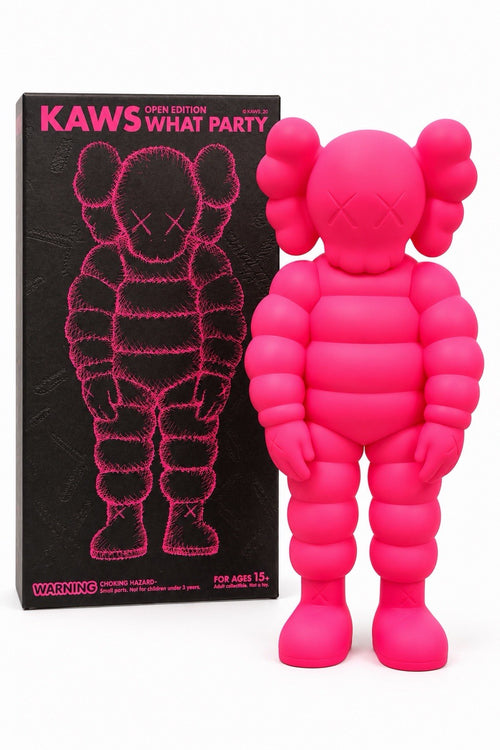
KAWS What Party Pink Companion Figure 11” Medicom Toy 2020 w/ Original Box
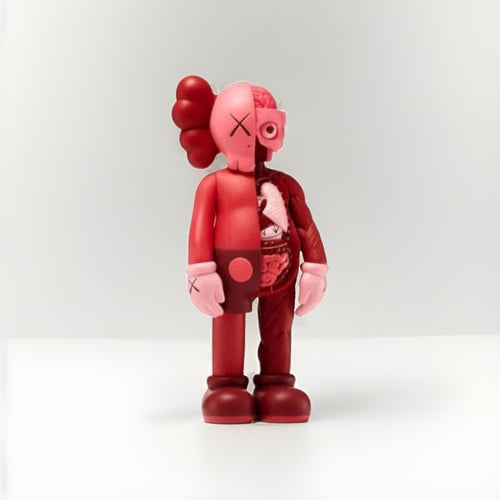
KAWS Companion Flayed Open Edition Blush Medicom Toy Dissected Sealed New Figure
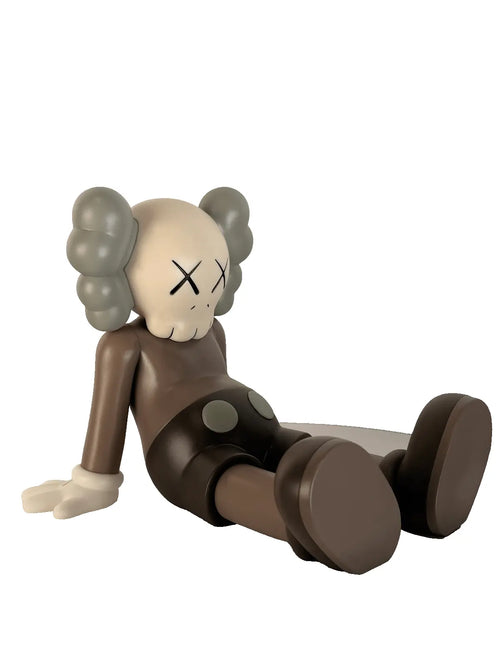
KAWS Holiday Taipei Companion Brown Vinyl Figure 2019 11.5" SEALED w/ Box
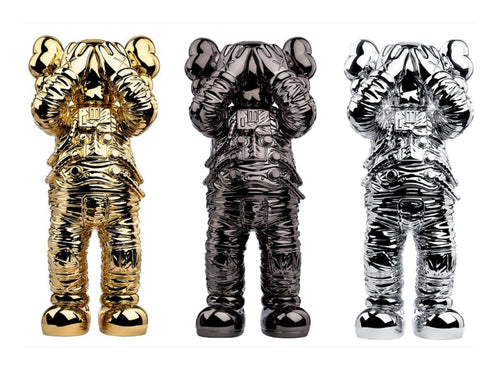
KAWS Holiday Space Set of 3 Gold Black Silver Companion Astronaut Figure Rare
$2,900.00Be first when new KAWS pieces drop
You're on the list ✓ — first look at every new KAWS arrival.
Shop KAWS
Explore current pieces available from the gallery.
-
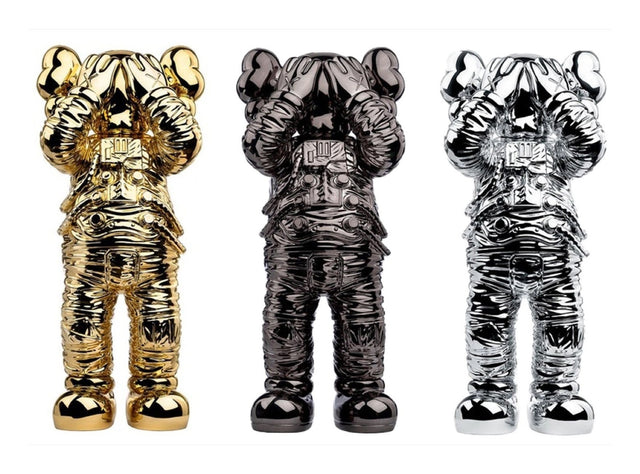
KAWS Holiday Space Set of 3 Gold Black Silver Companion Astronaut Figure Rare
$2,900.00 USD
-
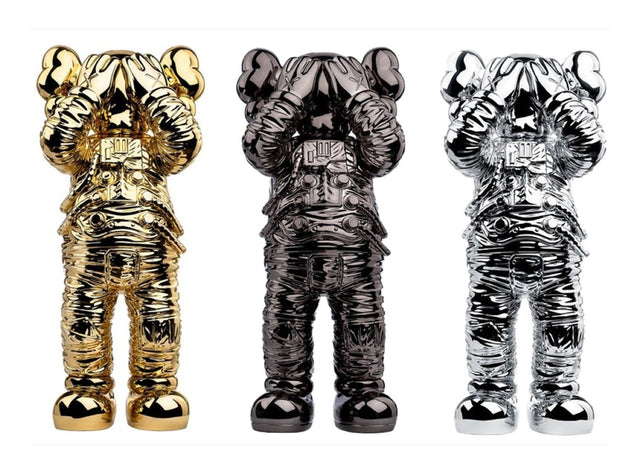
KAWS Holiday Space Set of 3 Gold Black Silver Companion Astronaut Figure
$2,900.00 USD
-
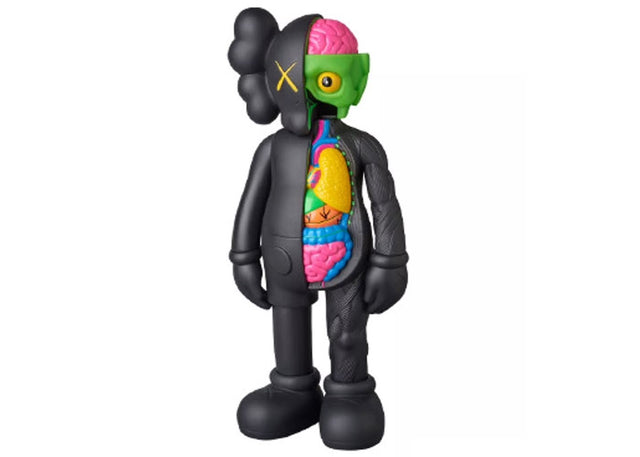
KAWS Companion Flayed Open Edition Black Medicom Toy Dissected Sealed New Figure
$599.00 USD
-
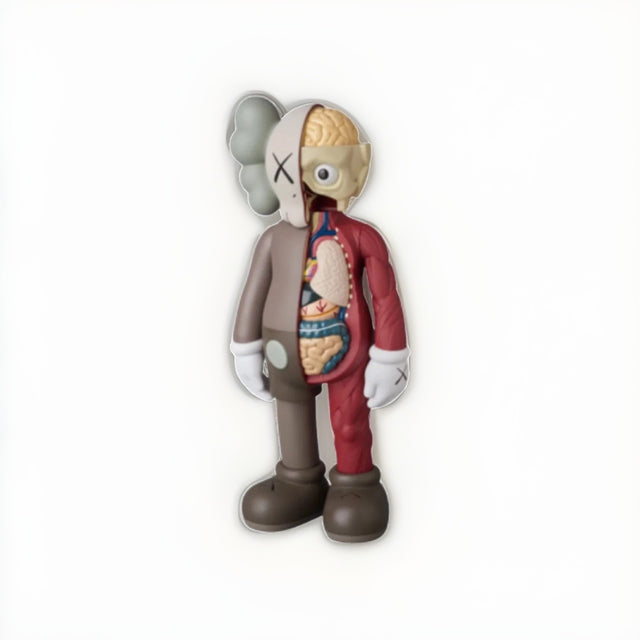
KAWS Companion Flayed Open Edition Brown Medicom Toy Dissected Sealed New Figure
$349.00 USD
-
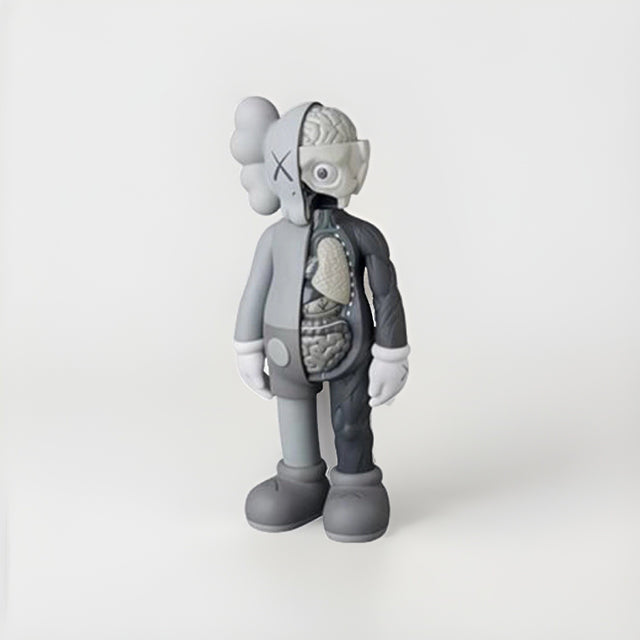
KAWS Companion Flayed Open Edition Grey Medicom Toy Dissected Sealed New Figure
$349.00 USD
Browse the collection for current listings.