When evaluating a Shepard Fairey print, determining if a signature is real or fake is a critical step, but it is never the sole determinant of authenticity. While a genuine signature is an indispensable component of an authentic work, true authentication relies on a comprehensive assessment that integrates a coherent provenance chain, verifiable release documentation, and a meticulous physical inspection of the print itself. Collectors must approach this process with diligence, understanding that no single factor, including the signature, can definitively confirm a work's legitimacy in isolation.
The Role of the Signature in Authentication
The signature of an artist serves as a direct link to their hand, a personal endorsement of the work. For Shepard Fairey, whose prolific output spans decades and encompasses a vast array of prints, his signature is a highly recognizable element. However, the art market, particularly for popular contemporary artists, can be susceptible to counterfeits. This necessitates a cautious and multi-layered approach to authentication. A signature, no matter how convincing, must always be corroborated by other factors. Its presence indicates the artist's intent to certify the work, but its authenticity must be verified through comparison with known examples, and its context within the print's history must be sound. Without a robust supporting framework of documentation and physical attributes, even a seemingly perfect signature remains suspect.
The market for Shepard Fairey's work is dynamic, and collectors often seek pieces that are not only aesthetically pleasing but also hold their value. The authenticity of a print directly impacts its market value and collectibility. Therefore, understanding the nuances of his signing practices and the broader authentication landscape is paramount for any serious collector. Gauntlet Gallery's commitment to transparency and education aims to equip collectors with the knowledge needed to make informed decisions.
Decoding Shepard Fairey's Signature Style
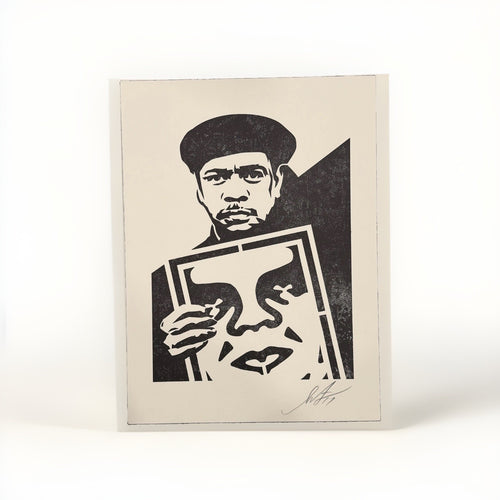
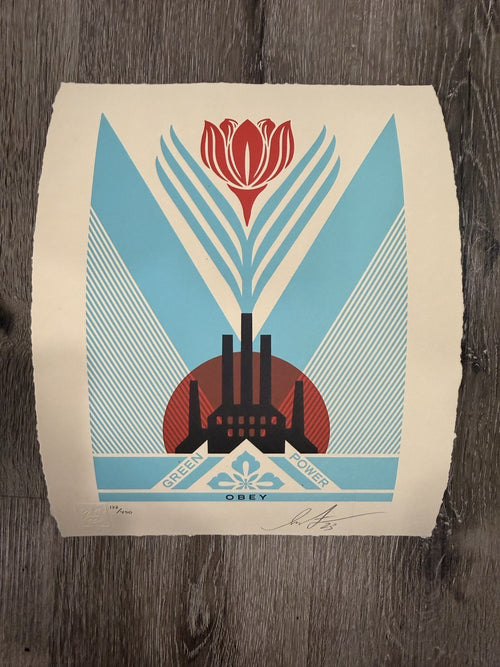
Shepard Fairey typically signs his prints by hand, most often using a marker, though the specific type and color can vary. His signature is generally fluid and distinctive, characterized by specific letterforms and a consistent flow. While there can be minor variations over time or due to signing conditions, a genuine signature will exhibit a natural hand, devoid of hesitation or mechanical replication. Collectors should familiarize themselves with the general characteristics of his signature, including the formation of letters, the pressure applied, and the overall spacing. It is not uncommon for him to date his prints alongside his signature, adding another layer of verifiable information. The placement of the signature is also often consistent, typically found in the lower right-hand corner of the print, though exceptions exist for unique works or specific series. For a deeper dive into discerning authentic characteristics, consult our guide on how to spot a fake Shepard Fairey.
Below is a general overview of common characteristics to consider when examining a Shepard Fairey signature:
| Characteristic | Description |
|---|---|
| Hand-Signed Nature | Typically executed with a marker, exhibiting natural penmanship. |
| Fluidity and Flow | The signature should appear confident and continuous, not hesitant or segmented. |
| Consistency of Letterforms | While minor variations occur, the fundamental structure of letters (e.g., 'S', 'F') remains consistent. |
| Ink Type and Color | Often black or silver permanent marker. Fading or bleeding should be assessed for authenticity and condition. |
| Placement | Most commonly in the lower right margin, below the image. |
| Dating | Many prints are dated by the artist alongside the signature, providing a specific time reference. |
It is crucial to compare any signature against multiple verified examples from the same period as the print in question. High-resolution images from reputable sources are invaluable for this comparative analysis. However, even the most detailed visual comparison cannot replace a comprehensive review of provenance and physical inspection.
The Significance of Edition Numbering and Other Markings
Beyond the signature, Shepard Fairey prints often include additional markings that are vital for authentication. The most common is the edition number, typically written as a fraction (e.g., 12/100), indicating the print's position within a limited run. This numbering is usually hand-written in pencil, often in the lower left-hand corner, opposite the signature. The presence and appearance of this numbering must align with known release information for that specific edition.
Other significant markings include:
- Artist Proofs (AP): These are prints reserved for the artist, outside the main edition. They are typically marked 'AP' and numbered (e.g., AP 1/10).
- Printer Proofs (PP): Similar to APs, these are reserved for the printer. They are marked 'PP' and also numbered.
- Unique Variants (UV): Occasionally, Fairey releases unique hand-embellished prints within an edition, often marked 'UV' or '1/1' for a true unique. These are distinct and often command different market interest.
- Chop Marks or Publisher Marks: Some prints may feature an embossed or stamped mark from the publisher or studio, serving as an additional identifier. These marks are often subtle but important indicators of authenticity.
All these markings should be consistent with the known details of the print's release. Discrepancies in numbering style, placement, or the presence of unexpected markings should raise immediate red flags. Gauntlet Gallery's Shepard Fairey Print & Fine-Art Index documents 2,623 OBEY Giant works, providing a valuable resource for cross-referencing these details, though specific edition counts or market ranges are not available for every work.
Establishing a Robust Provenance Chain
Provenance refers to the complete documented history of an artwork's ownership, from its creation to the present day. For Shepard Fairey prints, a strong, unbroken provenance chain is arguably the most critical factor in establishing authenticity. It provides a historical narrative that validates the work's journey and helps confirm its legitimacy.
"A coherent provenance chain is the backbone of art authentication. Without it, even the most convincing visual evidence remains speculative. Collectors should prioritize documented history above all else."
An ideal provenance chain begins directly from the artist, his studio, or a reputable gallery/publisher at the time of release. Each subsequent transfer of ownership should ideally be documented with sales receipts, invoices, or other verifiable records. Gaps in provenance or inconsistent records can significantly complicate authentication and may diminish the print's market desirability and value.
When evaluating provenance, consider the following:
- Original Purchase Documentation: The initial receipt or invoice from the artist's studio, official website, or an authorized gallery is paramount. This document should detail the print's title, edition number, and date of purchase.
- Resale Documentation: If the print has changed hands, subsequent invoices or bills of sale from reputable galleries, auction houses, or private collectors are crucial. These documents should ideally link back to the original purchase.
- Shipping Records: For works acquired remotely, shipping manifests or tracking information can further support the chain of custody.
- Exhibition History: If the print has been exhibited, records from galleries or museums can add to its verifiable history.
Collectors should be wary of sellers who cannot provide any provenance documentation or whose records are vague or incomplete. While some older prints may have less formal documentation, for contemporary works, a lack of records is a significant concern. Always seek as much verifiable history as possible.
A Remote Buyer's Prudent Inspection Workflow
Acquiring art remotely presents unique challenges, particularly concerning authentication. A structured and cautious inspection workflow is essential to mitigate risks. This process combines diligent research with meticulous review of visual and documentary evidence.
- Initial Research and Baseline Establishment: Begin by consulting trusted resources such as Gauntlet Gallery's Shepard Fairey Print & Fine-Art Index. Cross-reference the print's title, approximate release date, and any known edition details. This establishes a baseline of what an authentic example of that specific work should entail. Our index documents 2,623 works, providing a valuable starting point, with recorded market ranges appearing for about 29% of them.
- Seller Vetting and Communication: Thoroughly research the seller's reputation. Look for established art dealers, reputable galleries, or individuals with a proven track record in the art market. Review their feedback, past sales, and responsiveness to inquiries. Clear and open communication is a positive indicator.
-
Request for Detailed Imagery: Insist on high-resolution, professional photographs of the print. These should include:
- Full front and back views of the print.
- Macro shots of the signature, edition number, and any other markings (e.g., chop marks).
- Close-ups of the paper's texture, edges, and corners to assess condition and paper type.
- Images of any existing framing, matting, or backing materials.
- Photos highlighting any perceived imperfections or condition issues.
- Comprehensive Documentation Review: Request all available provenance documentation. This should ideally include original purchase receipts, invoices from reputable galleries, previous bills of sale, or any other official records of ownership. Scrutinize these documents for consistency, accuracy, and completeness. Cross-reference the details (title, edition number, date) with the print itself and your initial research.
- Signature and Markings Comparison: Carefully compare the signature and numbering in the high-resolution images against verified authentic examples. Pay close attention to the fluidity of the signature, the consistency of letterforms, the type of ink used, and the pressure applied. For numbering, check the style of the numerals, their spacing, and alignment. Look for the presence of any chop marks or publisher stamps, ensuring they match known authentic examples for that specific release.
- Assessment of Physical Characteristics: Examine the print's physical attributes as much as possible through images. Consider the paper stock – its weight, texture, and color should be consistent with Fairey's known practices for that period. Evaluate the print quality, looking for sharp lines, vibrant colors, and proper registration. Any signs of pixelation, poor ink saturation, or unusual paper characteristics could indicate a counterfeit.
- Professional Consultation (for high-value pieces): For significant investments, consider engaging an independent art authenticator or an experienced art advisor. While they cannot physically inspect the work remotely, they can provide expert analysis of the provided images and documentation, offering an additional layer of professional scrutiny.
This systematic approach, detailed in our Shepard Fairey buyer's guide, significantly reduces the risk of acquiring an inauthentic work when buying remotely. Remember, patience and thoroughness are your best allies.
Frequently Asked Questions About Shepard Fairey Authentication
Does Shepard Fairey provide Certificates of Authenticity (COAs)?
Shepard Fairey does not typically issue individual Certificates of Authenticity (COAs) for his prints in the way some other artists or publishers might. The primary method for authenticating his work relies on a robust and verifiable provenance chain, coupled with a thorough physical inspection of the print itself and cross-referencing with known release documentation. While some galleries or secondary market sellers might issue their own certificates, these are not from the artist directly. Collectors should always prioritize the print's documented history and physical attributes over any third-party certificate.
How does the condition of the signature affect the value of a print?
The condition of the signature can certainly influence a print's market desirability and, consequently, its value. A clean, crisp, and unfaded signature is generally preferred by collectors. However, minor imperfections such as slight smudges, light fading, or minor inconsistencies do not necessarily negate authenticity, provided the print has a strong provenance chain and other authentication factors align. Significant damage to the signature, such as severe fading, smudging that obscures legibility, or outright damage to the paper in that area, could potentially impact market interest and value, even if the print is authentic. The primary concern remains the authenticity of the signature and the print as a whole, with condition being a secondary, albeit important, consideration.
Can I authenticate a Shepard Fairey print based solely on a photograph of the signature?
No, it is not possible to definitively authenticate a Shepard Fairey print based solely on a photograph of the signature. While high-resolution images can help in the initial assessment and may reveal obvious discrepancies, they are insufficient for a conclusive determination. A thorough authentication process requires a physical inspection of the print to assess paper quality, print technique, and overall condition, alongside a comprehensive review of the work's provenance documentation. Relying solely on a photo of a signature leaves too many critical factors unexamined and significantly increases the risk of acquiring an inauthentic work.
Gauntlet Gallery: Your Resource for Authentic Shepard Fairey Works
Navigating the art market for Shepard Fairey prints requires diligence, knowledge, and trusted resources. Gauntlet Gallery is committed to assisting collectors in making informed decisions. Our extensive Shepard Fairey Print & Fine-Art Index serves as a valuable public resource, documenting thousands of his works across various themes including OBEY iconography, music and counterculture, environmental advocacy, and civil rights. While market ranges are recorded for about 29% of these works, our index primarily provides verifiable release information to aid in your research.
We understand the complexities of authentication and the importance of a transparent, cautious approach. Whether you are a seasoned collector or new to the world of Shepard Fairey, we encourage you to explore our curated Shepard Fairey collection, where each piece is carefully vetted. For further insights into market dynamics and collecting strategies, our Shepard Fairey price guide offers qualitative advice to help you understand how value is assessed. Gauntlet Gallery stands as a reliable partner in your collecting journey, offering expertise and guidance to ensure the integrity of your art acquisitions.