When considering the value of a Shepard Fairey Hand-Painted Multiple (HPM), it is crucial to understand that these works occupy a unique space in the art market, distinct from his standard editioned prints. The Shepard Fairey HPM hand painted multiple value is typically influenced by factors such as the extent and nature of the unique hand-finishing, the substrate used, the specific imagery, and the overall condition, often resulting in a different market perception and price point compared to a serigraph or offset lithograph on paper. Collectors should approach HPMs as hybrid artworks, acknowledging their individualized characteristics that set them apart.
Understanding the Hand-Painted Multiple (HPM)
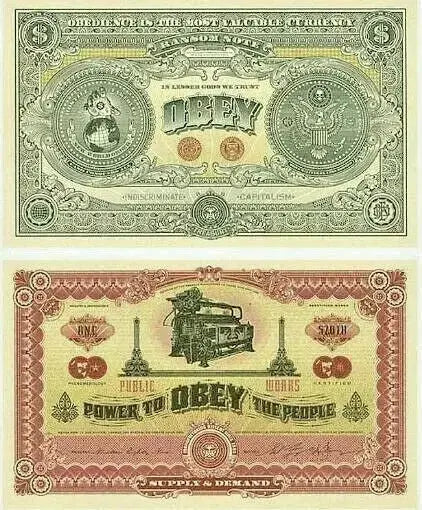
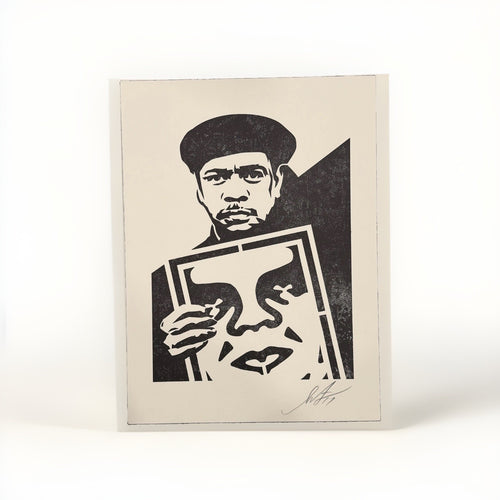
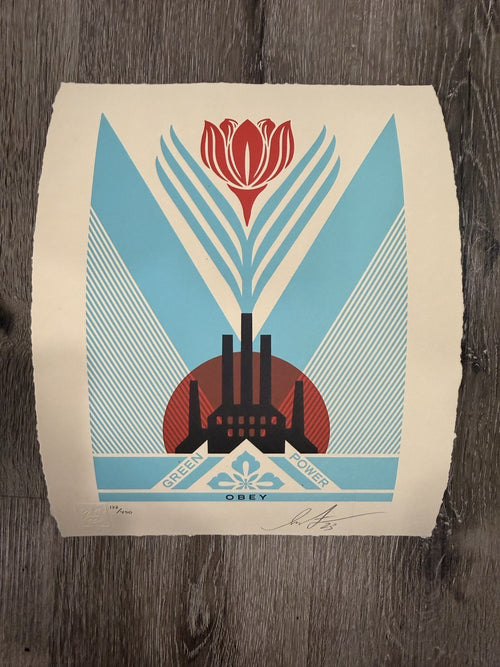
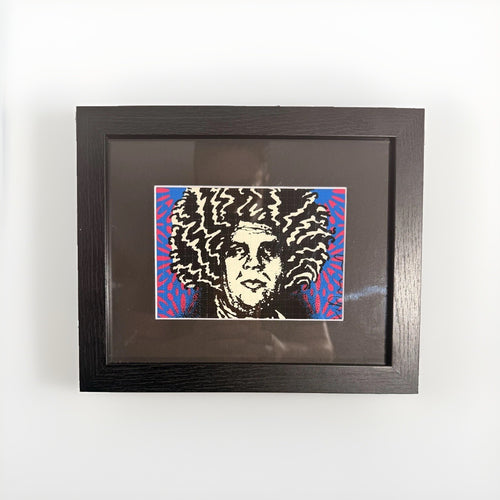
A Hand-Painted Multiple (HPM) by Shepard Fairey is not merely a print; it is an editioned artwork that has been individually embellished by the artist's hand after the initial printing process. This means that while a base image may be consistent across an edition, each HPM within that edition receives unique artistic treatment. This process elevates the HPM beyond a simple reproduction, imbuing it with elements of an original painting or drawing. The distinction is vital for collectors, as it directly impacts the aesthetic appeal, rarity, and ultimately, the market value of the piece. Fairey's HPMs often showcase his signature iconography, which, as documented in Gauntlet Gallery's Shepard Fairey Print & Fine-Art Index, spans themes from OBEY iconography and pop culture to peace and anti-war movements, civil rights, and environmental concerns. The application of hand-finishing can bring new life and emphasis to these familiar motifs.
The Substrates of Shepard Fairey HPMs
One of the defining characteristics of Shepard Fairey's HPMs is the diverse range of substrates upon which they are created. Unlike typical paper prints, HPMs frequently utilize more robust and unconventional surfaces, which contribute significantly to their unique character and durability. Common substrates include:
- Wood Panels: Often birch or maple, these panels provide a sturdy, natural ground for Fairey's work. The grain of the wood can sometimes show through, adding an organic texture that interacts with the painted elements. Wood panels offer a different visual weight and presence compared to paper.
- Metal: Aluminum or other metal sheets can be used, offering a sleek, industrial aesthetic. The reflective qualities of metal can create dynamic interplay with light and the applied paint, giving the artwork a distinct contemporary edge.
- Canvas: While less common for HPMs than for unique paintings, some editions may feature canvas as a substrate, providing a traditional fine art feel and a familiar texture for painted embellishments.
- Unique Paper Types: Beyond standard archival paper, Fairey might utilize thicker, more textured, or specialty papers for HPMs, sometimes with deckled edges or specific finishes that enhance the overall presentation.
The choice of substrate is not arbitrary; it is an integral part of the artwork's design and impacts how the hand-applied elements interact with the printed base. This variation in material contributes to the individuality of each HPM and can influence its long-term preservation and display considerations.
The Signature Hand-Finishing Process
The essence of a Hand-Painted Multiple lies in the direct artistic intervention by Shepard Fairey himself. After the initial print run, each piece is individually worked on, making no two HPMs truly identical. This hand-finishing can take several forms:
- Stenciling: Fairey's iconic stencils are often applied with spray paint, adding layers of color, texture, and new graphic elements over the printed base. These stencils might be unique to the HPM edition or variations of his well-known motifs.
- Hand-Painting: Direct application of paint, often acrylic or mixed media, using brushes or other tools to add details, highlights, shadows, or entirely new sections. This can include intricate patterns, bold color blocks, or subtle washes.
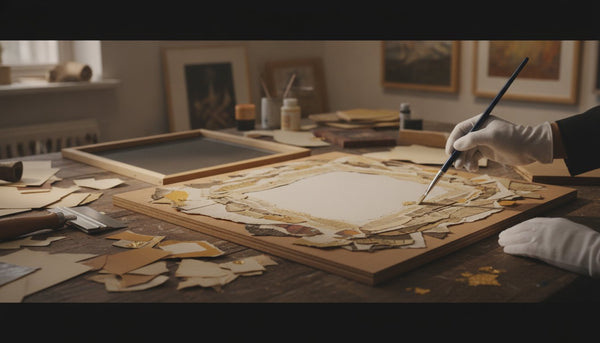
- Collaging: Elements of paper, fabric, or other materials might be cut and adhered to the surface, creating textural contrast and depth. This technique further blurs the line between print and mixed media artwork.
- Unique Embellishments: Sometimes, specific HPMs might feature unique marks, drawings, or even small, hand-drawn text that are not present in the standard print edition.
This labor-intensive process ensures that each HPM is a unique artistic statement, bearing the direct touch of the artist. The degree and complexity of this hand-work are significant factors in determining the aesthetic appeal and market value of an HPM.
Edition Logic and Rarity
Shepard Fairey's HPMs are typically produced in much smaller editions than his standard prints. While a regular print edition might number in the hundreds or even thousands, HPM editions are often limited to a few dozen, sometimes even fewer. This inherent scarcity is a primary driver of their increased rarity and desirability among collectors.
Furthermore, within an HPM edition, the concept of 'uniqueness within uniformity' is paramount. Even though each piece belongs to a numbered edition, the hand-finishing process ensures that every HPM possesses distinct characteristics. One HPM might have a different color stencil application than another, or a unique hand-drawn element. Collectors often seek out specific HPMs within an edition for these subtle variations, making the 'edition number' less about identical replication and more about a shared conceptual framework with individual artistic execution. This approach to editioning underscores why an HPM should never be valued as an ordinary paper print; its scarcity combined with its individual artistic merit places it in a different collecting tier.
Condition Considerations for HPMs
Given the mixed-media nature and varied substrates of Shepard Fairey's HPMs, condition assessments require particular attention. Collectors must look beyond the standard criteria for paper prints and consider factors specific to hand-applied elements and alternative substrates.
"The unique, hand-finished nature of an HPM demands meticulous care in handling, storage, and display. Any compromise to the integrity of the substrate or the applied artwork can significantly impact its aesthetic and market standing. Professional consultation for framing and conservation is always advisable."
Key condition considerations include:
- Surface Abrasions: The hand-painted or stenciled surfaces are susceptible to scratches, scuffs, or nicks, particularly on wood or metal substrates.
- Paint Loss or Cracking: Over time or due to improper handling, areas of hand-applied paint might chip, flake, or crack, especially if the artwork experiences significant temperature or humidity fluctuations.
- Substrate Integrity: For wood panels, warping, bowing, or splitting can occur if not properly stored or framed. Metal substrates can be prone to dents or bending.
- Handling Marks: Fingerprints, smudges, or minor indentations can appear on both the printed and hand-finished areas if the artwork is not handled with gloves.
- Fading: While modern archival materials are used, prolonged exposure to direct sunlight or harsh UV light can still cause some fading of colors, both printed and painted.
A thorough physical inspection is crucial for any HPM, ideally by a qualified professional, to ensure its condition is accurately assessed. This is also a critical component of authentication, alongside a coherent provenance chain and release documentation.
Valuing a Shepard Fairey Hand-Painted Multiple
The valuation of a Shepard Fairey HPM is a nuanced process that goes beyond simply looking at the artist's general market. As previously stated, an HPM should not be valued as an ordinary paper print due to its unique characteristics. Several factors contribute to its market value:
- Degree and Quality of Hand-Work: HPMs with more extensive, complex, or aesthetically striking hand-finishing often command higher values. The vibrancy of the colors, the precision of the stenciling, or the intricacy of the painted details can all play a role.
- Substrate: HPMs on more unique or durable substrates like wood or metal can sometimes be perceived as more substantial or desirable than those on paper, though this can vary based on collector preference and specific artwork.
- Rarity and Edition Size: The smaller the edition, the greater the inherent scarcity, which generally correlates with higher value.
- Imagery and Subject Matter: HPMs featuring iconic or highly sought-after imagery (e.g., specific portraits, powerful political statements, or popular OBEY motifs) tend to be more desirable. Gauntlet Gallery's Shepard Fairey Price Guide and Shepard Fairey Buyer's Guide can offer qualitative insights into market dynamics for various themes.
- Provenance and Documentation: A clear and coherent provenance chain, coupled with original release documentation, adds significant value and confidence for collectors.
- Overall Condition: As detailed above, pristine condition is paramount. Any damage, restoration, or significant wear will negatively impact value.
Collectors are advised to review sold comparables for similar HPMs, paying close attention to the specific hand-work, substrate, and condition of those pieces. Direct comparisons to standard prints, even of the same base image, are generally not appropriate for accurate valuation.
| Feature | Hand-Painted Multiple (HPM) | Standard Edition Print |
|---|---|---|
| Hand-Finishing | Extensive, unique artist intervention post-printing | Minimal to none; editioned as printed |
| Substrate Variety | Often diverse (wood, metal, canvas, specialty paper) | Typically fine art paper |
| Edition Size | Generally very small (e.g., 5-50) | Often larger (e.g., 100-1000+) |
| Uniqueness | Each piece is unique within the edition due to hand-work | All pieces in edition are largely identical |
| Market Value | Can vary significantly, often higher than standard prints | More consistent within edition; based on print market |
Authenticating Your Shepard Fairey HPM
Authenticating a Shepard Fairey HPM requires a rigorous approach, similar to any significant art acquisition. It is a multi-faceted process that relies on a combination of factors, not just a signature. A coherent provenance chain, detailing the artwork's history from its release to the present owner, is paramount. This should ideally be supported by original release documentation, such as purchase receipts from the artist's studio, gallery, or authorized dealer. Finally, a thorough physical inspection of the artwork itself is critical. This includes examining the quality of the print, the nature of the hand-finishing, the substrate, and any unique markings. It is important to note that Shepard Fairey does not issue Certificates of Authenticity (COAs) for his works. Furthermore, while a signature is a key element, it alone does not authenticate a print; it must be considered within the broader context of provenance and physical verification. For guidance on identifying potential issues, please consult our resource on How to Spot a Fake Shepard Fairey.
Frequently Asked Questions About Shepard Fairey HPMs
What is the primary difference between an HPM and a standard print?
The primary difference lies in the hand-finishing. A standard print is an editioned reproduction of an artwork, with all pieces in the edition being virtually identical. An HPM, however, begins as a print but then undergoes individual artistic intervention by Shepard Fairey, involving hand-painting, stenciling, or collaging, making each piece unique within its edition.
Do all Shepard Fairey HPMs use the same substrate?
No, Shepard Fairey HPMs are known for their diverse range of substrates. While some may be on archival paper, many are created on materials such as wood panels, metal sheets, or canvas. The choice of substrate is often integral to the artwork's aesthetic and can vary significantly from one HPM edition to another.
How does the hand-finishing affect an HPM's value?
The hand-finishing significantly affects an HPM's value by transforming it from a mere print into a unique, hybrid artwork. The extent, complexity, and artistic quality of the hand-work contribute to its individuality and rarity, often leading to a higher market value compared to a standard print of the same base image. More detailed or impactful hand-finishing generally correlates with increased desirability.
Explore Shepard Fairey's Diverse Body of Work
Understanding the nuances of Shepard Fairey's Hand-Painted Multiples enriches the collecting experience, offering insight into a unique facet of his artistic practice. From his early street art roots to his global impact, Fairey's work continues to resonate. We invite you to explore the extensive documentation of his career through Gauntlet Gallery's Shepard Fairey Print & Fine-Art Index, which meticulously tracks 2,623 OBEY Giant works across various themes and periods, providing context for his diverse creations. To discover available works and further delve into his iconic imagery and compelling narratives, browse our curated Shepard Fairey Collection today.