Mr. Brainwash Market Guide: What Sells, What to Avoid
The Mr. Brainwash works most worth buying are signed, hand-numbered limited editions of his iconic imagery — the recognizable pop icons, spray-can motifs, and his best-known mixed-media pieces — bought with clean provenance from a reputable source. Hand-finished and unique works (mixed-media on paper or canvas, spray and stencil originals) tend to hold value best because supply is genuinely limited. What to be cautious with: open or very large-run giclée prints, pieces with weak or missing provenance, and anything you would only be buying because it feels cheap. Mr. Brainwash (Thierry Guetta, "MBW") is deliberately accessible and prolific, so the buyer's job is less about "can I find one" and more about "which version of this is actually scarce, authentic, and worth the price."
This guide breaks down how the MBW market actually works, which categories tend to hold value versus which to approach carefully, how to evaluate a specific piece before you buy, and how to buy authentically. It is written for the new-to-intermediate collector who wants to enter this market with eyes open — enthusiastic about the work, realistic about the economics.
Who Mr. Brainwash Is — and Why His Market Behaves Differently
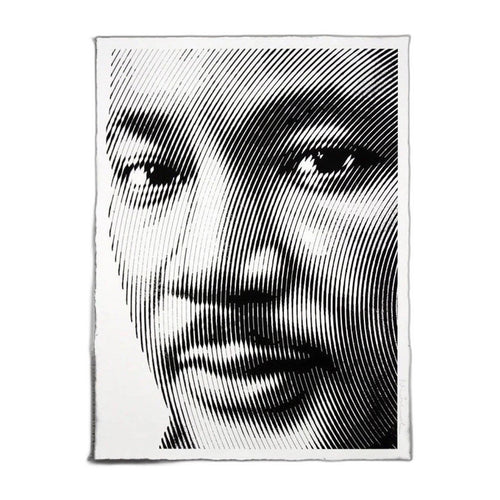
Mr. Brainwash is the artist persona of Thierry Guetta, the figure at the center of the film Exit Through the Gift Shop. His visual language is unapologetically pop and street-derived: Warhol, Basquiat, Haring, Banksy, and classic comic imagery run through a spray-paint-and-collage blender. It is joyful, loud, and immediately legible — which is exactly why it sells so well to a broad audience and why it is one of the more accessible entry points into contemporary street and pop art collecting.
That accessibility is the single most important thing to understand about the MBW market. Compared with artists who release tightly controlled, small print runs, Mr. Brainwash produces a large and varied body of work — editions, hand-finished multiples, unique pieces, show prints, and a steady stream of new imagery. High output plus high demand means the market is liquid and welcoming, but it also means scarcity is not automatic. Two pieces that look similar on a screen can be very different in edition size, finish, and desirability. The collector who does well here is the one who learns to tell those apart.
The upside of a prolific artist
- Approachable entry prices. You can start collecting recognizable MBW imagery without the five- and six-figure barriers of blue-chip names.
- Strong brand recognition. The imagery is instantly familiar, which supports resale interest and gift/display appeal.
- Variety. From affordable prints to hand-finished originals, there is a rung on the ladder for most budgets.
The trade-off to respect
- Scarcity is uneven. Some editions are large; some formats are effectively open. Value tracks genuine scarcity, not just the artist's name.
- Condition and finish matter more than usual. A hand-embellished, signed piece is a different asset than a plain open-run print of the same image.
- Provenance discipline is essential. Because the work is widely produced and widely resold, documentation is what separates a confident purchase from a gamble.
What Tends to Hold Value
No one can promise appreciation on any single artwork, and you should be skeptical of anyone who does. But across street and pop-art markets, certain characteristics consistently correlate with better resale strength and demand. For Mr. Brainwash specifically, the categories below tend to be the most defensible.
1. Signed, hand-numbered limited editions
A print that is signed by the artist and numbered against a stated edition size is the baseline for a "collectible" MBW piece rather than a decorative one. The signature and the fraction (for example, a low number in a modest edition) are what create scarcity and secondary-market interest. Smaller stated editions, all else equal, tend to be more desirable than large ones.
2. Iconic, recognizable imagery
MBW has a core of signature images and motifs that the market gravitates to again and again. Pieces built on his most recognizable imagery generally enjoy broader demand than one-off or obscure compositions, simply because more collectors want them. When you are choosing between two pieces at a similar price, the more iconic image usually has the deeper buyer pool later.
3. Hand-finished and unique works
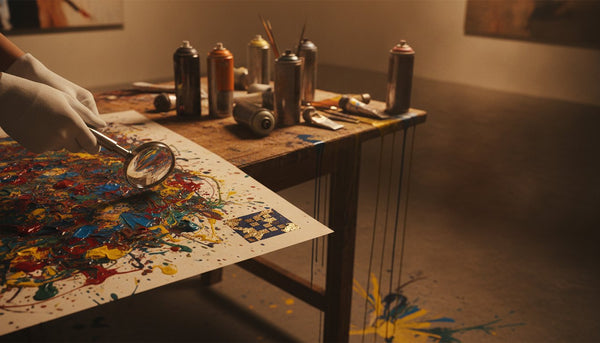
Where MBW's market gets genuinely interesting is hand-embellished editions and one-of-a-kind pieces — spray, stencil, and mixed-media works on paper or canvas where the artist's hand touched that specific object. Uniqueness is the purest form of scarcity. These pieces command higher prices and, because they cannot be reproduced identically, tend to hold value better than plain multiples of the same motif.
4. Strong provenance and documentation
Provenance is not a "nice to have" in this market — it is part of the value. A piece with a clear ownership trail, purchase records, gallery or show association, and any accompanying certification is simply worth more, and is far easier to resell, than an identical-looking piece with no paper. Documentation reduces the buyer's risk, and reduced risk is exactly what a future buyer will pay for.
5. Excellent condition
Works on paper are sensitive to light, moisture, handling, and framing. Fading, foxing, creases, trimming, and mat burn all pull value down. A piece that has been well framed with archival materials and kept out of direct sun is worth more than the same edition in tired condition. For hand-finished works, the integrity of the surface — no flaking, smudging, or restoration — matters even more.
| Signal | Why it supports value | What to look for |
|---|---|---|
| Artist signature | Confirms authorship, creates collectible tier | Hand signature, consistent with the artist's known hand |
| Numbered edition | Defines scarcity | Clear fraction (e.g. ##/edition); smaller runs favored |
| Hand-finishing / uniqueness | Purest scarcity; can't be re-run | Visible spray/stencil/mixed-media, one-of-a-kind treatment |
| Provenance | Reduces buyer risk, eases resale | Purchase records, ownership trail, documentation |
| Condition | Protects long-term value | No fading/foxing/creases; archival framing |
What to Be Cautious With
Being a smart MBW buyer means knowing where the potholes are. None of the following are "never buy" categories — plenty of collectors happily own affordable open prints purely for enjoyment. The caution is about not overpaying and not mistaking a decorative object for an investment-grade one.
Mass-produced and open-edition giclées
Large-run or open-edition giclée prints are the most widely available MBW products and often the most reasonably priced for a reason: supply is high. There is nothing wrong with buying one you love to hang. Just price it as what it is — an affordable, widely available print — and do not expect the scarcity dynamics of a small signed edition or a hand-finished work. If a seller is pricing an open or very large edition like a rare piece, that is a flag.
Weak or missing provenance
The single most common way to get burned in accessible, high-volume markets is buying something with no story and no paper. If a seller cannot tell you where a piece came from, cannot show purchase or ownership records, and cannot point to any documentation, treat the price accordingly — or walk. This is especially true for higher-value hand-finished and unique works, where documentation should exist.
Overpaying on hype or "deal" pressure
Because MBW imagery is so recognizable and so widely sold, prices for the same image can vary a lot between sellers and venues. Two traps sit on opposite ends: paying a premium for a common piece because the imagery is famous, and rushing a purchase because something feels like a steal. Both are solved the same way — check comparable sales, understand exactly which edition and format you are looking at, and let the market context, not the sales pitch, set your number.
Condition problems hidden by photos
Online photos flatter. Fading, waviness, trimmed margins, tape residue, and framing damage often do not show up in a listing image. For any meaningful purchase, ask for additional detail photos in raking light, images of the margins and verso, and a clear shot of the signature and numbering. Silence or evasiveness on condition is itself an answer.
How to Evaluate a Specific Mr. Brainwash Piece
Before you commit to any MBW work, run it through a simple, repeatable checklist. This is the same discipline that separates confident collectors from impulse buyers, and it works whether the piece is a $200 print or a four-figure hand-finished original.
- Identify the exact format. Is it a signed limited edition, an open giclée, a hand-embellished multiple, or a unique work? The answer reframes everything else, including a fair price.
- Confirm the signature and numbering. Look for a hand signature and, for editions, a clear fraction. Get a close, well-lit photo of both.
- Assess the imagery. Is it one of MBW's recognizable, in-demand motifs, or a niche composition? Iconic imagery generally has a deeper future buyer pool.
- Demand provenance. Ask for purchase records, ownership history, and any accompanying documentation. The more the piece is worth, the more paper you should expect.
- Inspect condition honestly. Request raking-light photos, margin and verso shots, and details of any flaws. Factor condition into the price, not out of it.
- Anchor to market context. Compare against recent sales of the same or similar editions and formats. Use the range, not a single outlier, to set your ceiling.
- Decide your walk-away number — before you fall in love. Set a maximum based on format, scarcity, condition, and comps, then hold to it.
For broader context on how art markets are read and priced — comparables, ranges, and the difference between decorative and collectible tiers — our Financial Insights hub is a useful companion as you calibrate what a fair number looks like.
How to Buy Mr. Brainwash Authentically
Authenticity in the MBW market comes down to two things working together: a trustworthy source and documentation that travels with the piece. Because the work is widely produced and heavily resold, buying from a reputable dealer who stands behind provenance is the most reliable path for a new collector.
Buy from reputable sources
A dealer whose reputation depends on repeat buyers has every incentive to represent a piece honestly — format, edition, condition, and provenance. That accountability is worth paying for, especially early in your collecting. Our curated Mr. Brainwash collection is assembled with that standard in mind, and our Mr. Brainwash buyer's guide goes deeper on formats and what to look for on a specific piece.
Insist on documentation and clear provenance
Ask, every time: what is the edition and format, where did this come from, and what documentation comes with it? A confident seller answers plainly. Keep every record you receive — invoices, ownership history, and any certification — because that same paperwork is what makes your piece easier and more valuable to sell later.
Understand certification in context
Authentication practices vary widely across the artists we handle, and it is important not to blur them together. Some artists' works travel with specific certificates or third-party services; others rely primarily on provenance and dealer trust. For Mr. Brainwash, the practical priorities for a collector are a reputable source, a clear provenance trail, correct identification of edition and format, and honest condition. When you are ready to widen your collecting, our authentication-focused guides for other artists — such as the KAWS authentication guide — show how much certification standards can differ from one name to the next, which is exactly why you should never assume one artist's process applies to another.
Frame, store, and protect what you buy
Once a piece is yours, protect the value you paid for. Use archival, UV-protective framing; keep works out of direct sunlight and away from moisture and heat; and store documentation somewhere safe alongside your records. Good stewardship is the least glamorous and most reliable way to preserve value over time.
Building a Sensible Mr. Brainwash Collection
If you are just starting, a simple framework keeps you on solid ground:
- Buy what you genuinely love first. In an accessible, high-output market, enjoyment is the one return that is guaranteed.
- Prioritize scarcity where you can afford it. Between two pieces you like, favor the signed, numbered, or hand-finished one over the open edition.
- Chase iconic imagery over obscurity. Recognizable motifs have deeper demand if you ever sell.
- Let one great piece beat three mediocre ones. Concentration in quality usually ages better than volume in the decorative tier.
- Keep your paperwork immaculate. Your future buyer is really buying your documentation as much as the art.
For the collecting fundamentals that apply across every artist we carry — provenance, condition, comps, and buying with confidence — the Collector hub and our full library of buyer's guides are the best next stops.
Frequently Asked Questions
What Mr. Brainwash works are worth buying?
The most worth-buying Mr. Brainwash works are signed, hand-numbered limited editions of his iconic imagery, and especially hand-finished or unique mixed-media pieces, purchased with clear provenance from a reputable source. These categories carry genuine scarcity and the deepest future demand. Open-edition giclées are fine to buy for enjoyment, but should be priced as the widely available prints they are rather than as rare collectibles.
Is Mr. Brainwash a good investment?
No one can promise appreciation on any single artwork, and you should distrust anyone who does. Mr. Brainwash is a prolific, accessible artist, so value tracks genuine scarcity — signed limited editions, hand-finished pieces, and unique works with strong provenance and condition tend to hold value best, while open editions behave more like decorative prints. Buy what you love first, prioritize scarcity and documentation, and treat any upside as a bonus rather than the reason to buy.
How do I know a Mr. Brainwash piece is authentic?
Authenticity comes from a trustworthy source plus documentation that travels with the piece. Buy from a reputable dealer who stands behind provenance, confirm the exact edition and format, get clear photos of the signature and numbering, and keep every record you receive. Because the work is widely produced and resold, provenance discipline and source trust matter more than any single label.
Why are some Mr. Brainwash prints so much cheaper than others?
Price differences usually come down to format and scarcity. An open or very large-run giclée is abundant and priced accordingly, while a small signed edition or a hand-embellished, unique work is genuinely scarce and commands more. Condition and provenance also move the number. If a common, widely available piece is priced like a rare one, treat that as a flag and check comparable sales.
What should I avoid when buying Mr. Brainwash art?
Avoid overpaying for open or very large editions as if they were rare, buying anything with weak or missing provenance, and rushing a purchase under "deal" pressure. Watch for condition problems that photos hide — fading, waviness, trimmed margins, framing damage — and always ask for detail images before committing. When in doubt, buy from a reputable source that documents provenance.
Does Mr. Brainwash art come with a certificate of authenticity?
Certification practices vary across artists, so do not assume one artist's process applies to Mr. Brainwash. For MBW, the practical priorities are a reputable source, a clear provenance trail, correct identification of edition and format, and honest condition. Keep any documentation you receive with the piece, since that paperwork is part of what makes it easier and more valuable to resell later.
Buy & Authenticate With Confidence
Mr. Brainwash is one of the most welcoming doors into contemporary pop and street-art collecting — bright, recognizable, and priced across a wide range. The collectors who do best here simply do the work: they identify the exact format, favor genuine scarcity, insist on provenance, inspect condition honestly, and anchor to real market context before they buy. Do that, and this becomes a fun, low-anxiety market to collect in. Browse our curated Mr. Brainwash collection, dig into the Mr. Brainwash buyer's guide for format-by-format detail, and lean on the Collector hub and Financial Insights to buy — and authenticate — with confidence.