

Gauntlet Gallery — Complete Damien Hirst Print Index
Picolinic Acid
Work Summary & Collector Notes
Picolinic Acid is a 2012 woodcut spot from Manifold Editions in an edition of 55, with a sheet size of 8 x 20 inches. Described as an eight-inch woodcut spot, it is a larger-scale entry in Hirst's woodcut spot series, its elongated sheet giving the single disc of colour a bold, singular presence.
Collector notes: The saved release record describes: Edition of 55. Edition-specific signature, numbering, and stamp details were not stated in the saved release record. Verify signing and numbering against a documented example of this edition.
Why It Matters
The eight-inch spot is a significantly larger unit than the two-inch prints in the same series, so Picolinic Acid reads as a more emphatic, poster-scale statement of the spot idea. Rendered as a woodcut, the enlarged circle gains a tactile relief surface, and the edition of 55 keeps it within scarce, hand-editioned territory.
Collector Perspective
The generous 8 x 20 inch sheet and larger spot give this print more wall impact than the small-format woodcuts, appealing to collectors who want a single bold colour statement. Its named-compound title ties it to the pharmacology theme. As with the series, verify front signature and reverse numbering, and favour a clean, generously margined sheet.
Historical Context
Picolinic acid is a genuine chemical compound, continuing Hirst's convention of naming spots after pharmacological and chemical substances that underpin his meditation on medicine and mortality. The larger eight-inch woodcut demonstrates how Manifold Editions varied scale within the series, extending the spot motif across a range of formats in the relief-print medium.
Documented Release Details
- Object type
- Editioned print or object
- Release date
- 2012
- Release-date note
- Catalog-listed release year from the saved secondary record; primary release-page confirmation remains pending.
- Medium and materials
- Woodcut; catalog dimensions 8 x 20 inches; 8-inch woodcut spot.
- Edition details
- The saved release record describes: Edition of 55.
- Signature and marks
- Edition-specific signature, numbering, and stamp details were not stated in the saved release record. Verify signing and numbering against a documented example of this edition.
Documented History and Meaning
History note: This page treats Damien Hirst's broader career as background context, not proof that this specific edition belongs to any single exhibition or event. Release-level facts here come from a saved secondary catalog record.
Meaning / interpretation: No per-work artist statement is recorded for this edition. Any thematic reading should be treated as interpretation of the imagery, not a documented statement of the artist's intent. This interpretive note follows the cited artist or publisher context.
Release context: The saved catalog lists 2012 and attributes the edition to Manifold Editions.
Authentication, Presentation and Provenance
- Original presentation
- Original packaging or presentation was not documented in the release sources reviewed.
- Authentication note
- Compare the support, dimensions, edition number, and signature against a documented example of this edition. Gauntlet Gallery does not authenticate works purchased from third parties.
- Provenance note
- Edition origin is attributed in the saved record to Manifold Editions. That does not establish the ownership history of an individual copy: retain the original invoice, reseller or gallery paperwork, labels, correspondence, and condition photographs.
Sources and Verification
Verification status: Secondary catalog snapshot; artist-level context added
- Saved release record — Art Collectorz · secondary catalog snapshot · Accessed 2026-07-13 · Starting record for title, year, edition, dimensions, medium, and release description. Primary confirmation against the original release page remains pending.
- Damien Hirst — official site — Damien Hirst studio (Science Ltd.) · primary artist source · Accessed 2026-07-13 · Official artist site; career context, not an individual-edition record.
- Damien Hirst — Wikipedia · reference encyclopedia · Accessed 2026-07-13 · General artist-level biographical and career reference.
- Damien Hirst (Q294326) — Wikidata · reference knowledge base · Accessed 2026-07-13 · Structured identifier used for the artist across catalog metadata.
FAQ
How large is Picolinic Acid?
It is an eight-inch woodcut spot on an 8 x 20 inch sheet, larger than the two-inch spots in the series.
What is the edition size?
Manifold Editions produced it in an edition of 55 in 2012.
What does the title mean?
Picolinic acid is a real chemical compound, in line with Hirst's practice of naming spots after pharmacological and chemical substances.
How does it differ from the small woodcut spots?
Its eight-inch spot and larger 8 x 20 inch sheet give it far more visual presence than the compact 6 x 6 inch prints in the series.
Related Damien Hirst Works


Shop Pop Art - Andy Warhol, Keith Haring, Basquiat
Explore current pieces available from the gallery.
-

Andy Warhol The Beatles 1980 Vintage Poster Framed Pop Art Times Books Stokes
$349.00 USD
-

After Roy Lichtenstein I Love Liberty Framed Pop Art Print
$75.00 USD
-

Shepard Fairey Warhol Collages (Silver)
$225.00 USD
-

Shepard Fairey Keith Haring Signed Numbered Screen Print OBEY Portrait /450
$699.00 USD
-

Shepard Fairey Keith Haring Signed Numbered FRAMED Print 2020 Obey Giant 23/450
$395.00 USD
-
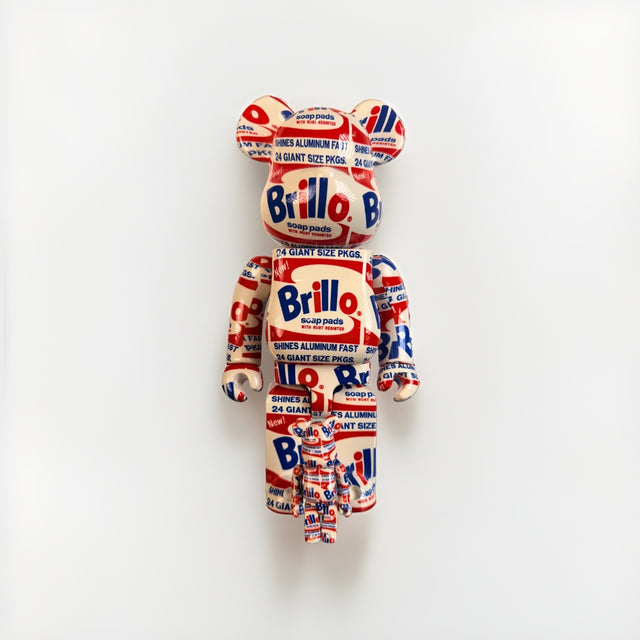
Bearbrick BE@RBRICK Andy Warhol Brillo 400% 100% Set Original 2020 Medicom New
$275.00 USD
-
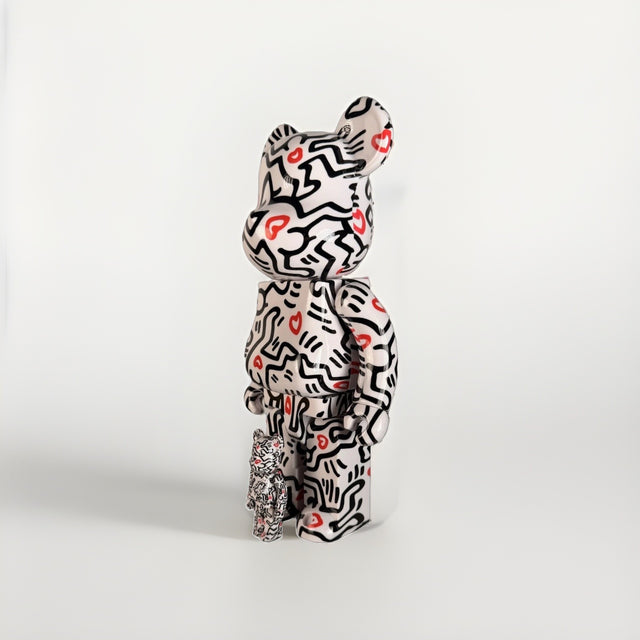
BE@RBRICK Keith Haring 400% + 100% Set Medicom Toy Bearbrick Foundation Art New
$199.00 USD
-

Oilstick Skull Drawing Manner of Basquiat Signed Antique Gold Frame Red Velvet
$175.00 USD
-

One Line Marker Drawing 1985 w/ Basquiat Estate COA - UNVERIFIED Sold As-Is
$149.00 USD
-

1980 Polo Player Green Pink Chalk Pastel Bears Andy Warhol Signature AS-IS
$399.00 USD
-

After Andy Warhol Moon Landing Line Drawing 5/50 w/ Astronaut Autographs As-Is
$175.00 USD
-

Keith Haring (Attributed) Marker Drawing on Paper Bag Signed - Unauthenticated
$199.00 USD


Browse the collection for current listings.