A signed guitar can look incredible. So can a signed vinyl record, drumhead, concert poster, setlist, photograph, lyric sheet, or tour program. But in signed music memorabilia, the object is only half the story. The other half is the authentication.
A buyer may see a listing that says “comes with COA” and assume the hard part has been handled. That assumption is dangerous. A Certificate of Authenticity can be strong evidence, weak evidence, irrelevant evidence, or — in the worst cases — a convincing-looking piece of paper attached to the wrong item.
For collectors of authenticated signed music memorabilia, the key question is not simply: Does it have a COA? The better question is: Can I verify the COA, match it to the exact object, and trust the authentication chain?
This guide explains how to review Beckett, JSA, and PSA/DNA authentication when buying signed music memorabilia, and how to avoid the common mistakes that turn a good-looking listing into an expensive lesson. For a broader category overview, see our signed music buyer's guide.
First: A COA Is Evidence, Not Magic

A COA is not a force field. It is a document, label, hologram, database entry, letter, or card that supports an authentication claim. The strength of that claim depends on who issued it, what they authenticated, whether it can be verified, and whether it matches the exact item being sold. That last part matters most. A real certificate number does not automatically prove that the item in front of you is the authenticated item. As we explain in our piece on why a COA does not always mean authentic, a certificate is only as good as the verification behind it. PSA’s own certificate-verification page warns that certification-number verification does not eliminate all risk, because criminals may counterfeit PSA and PSA/DNA documents using real certification numbers taken from public sources. PSA also states that its database confirms information tied to a certification number, but does not guarantee that an authenticated item listed online is the genuine PSA-authenticated item. That warning should be tattooed on every collector’s checklist. A cert lookup is necessary. It is not enough.
The Three Big Names: Beckett, JSA, and PSA/DNA
For signed music memorabilia, buyers will most often encounter three major third-party authentication companies: Beckett Authentication Services, often called BAS; James Spence Authentication, usually called JSA; and PSA/DNA, the autograph-authentication division associated with PSA. All three are widely used in the autograph market. All three can be credible. None should be treated blindly. Each company has its own certification formats, database tools, submission processes, labels, letters, and grading options. A smart buyer does not need to become a forensic handwriting expert overnight. But they do need to understand what each certificate is supposed to look like, what it does and does not prove, and what details should match the physical object. The safest approach is simple: Verify the certificate. Then verify the match. Then verify the seller. Skip any one of those, and the risk climbs.
Beckett Authentication: What to Check
Beckett Authentication Services states that submitted autographs are examined through ink analysis, autograph structure review, and side-by-side comparison against exemplars when needed. Beckett also says it may use tools such as a Pro-Scope or video spectral comparator for deeper review. Once a signature is deemed authentic, Beckett applies a half-inch oval tamper-evident label with an alphanumeric BAS certification number, and the autograph can be verified through Beckett’s online database.
For a Beckett-authenticated music item, check:
- Certification number
- Signer name
- Item type
- Number of signatures
- Sticker or hologram placement
- Whether the listing includes a COA, LOA, or only a sticker
- Whether Beckett’s database description matches the item being sold
- Whether the certificate identifies the object clearly enough
- Whether a full Letter of Authenticity includes an image of the item
Beckett says that, for an additional fee, items can receive a Letter of Authenticity featuring the same alphanumeric certification number and an exact image of the item examined and certified. That image match is extremely valuable for higher-priced music memorabilia because it helps prevent a real certificate from being paired with the wrong object. For signed guitars, signed albums, drumheads, posters, and multi-signed band pieces, a full LOA is often stronger than a basic sticker alone. The sticker may be legitimate. The LOA gives the buyer more to compare.
JSA Authentication: What to Check
JSA offers multiple authentication formats, including Basic Certification and a full Letter of Authenticity. JSA describes its LOA as a higher-value authentication document that includes an inset image of the item, additional customized data such as number of signatures, manufacturer, writing implement, and item type or model, plus a certification label with a corresponding number. JSA also states that items with a JSA-perceived value over $300 submitted through its authentication process are required to receive a Letter of Authenticity. JSA’s Basic Certification is used for lower-value items. It includes a registration card with a unique certification number corresponding to a tamper-evident label, with the certification number uploaded to JSA’s database for customer verification. JSA states that Basic Certification is used for items with a JSA discretionary value under $300.
For a JSA-authenticated music item, check:
- Certification number
- Whether it is Basic Certification or full LOA
- Whether the item should reasonably have a full LOA
- Hologram or sticker match
- Item image, if an LOA is present
- Number of signatures
- Object type and manufacturer details
- Writing implement, if listed
- Whether the database result matches the physical object
JSA also describes a Witnessed Protection Program in which a JSA representative observes the signing at an event, show, convention, or private signing. Witnessed authentication is especially valuable because it documents the signing event itself rather than relying only on after-the-fact signature analysis. For signed music memorabilia, witnessed documentation can be particularly helpful when the item is expensive, multi-signed, or tied to a high-demand artist.
PSA/DNA Authentication: What to Check

PSA describes itself as a major autograph authentication service and states that its process includes ink analysis, autograph structure analysis, object evaluation, side-by-side comparisons, and possible use of a video spectral comparator. PSA-certified autographs can be verified publicly through PSA’s online certification-verification page or mobile application.
For a PSA/DNA-authenticated music item, check:
- Certification number
- Signer name
- Item type
- Description in PSA’s database
- Whether the certificate includes images
- Whether the database description is specific or generic
- Whether the item in the listing clearly matches the certification record
- Whether the cert appears to authenticate the signature only or a broader claim
PSA’s verification warning is especially important for online buyers. PSA says certification-number verification confirms data regarding an authenticated item with a particular certification number, but PSA does not view authenticated items listed around the web and does not warrant that an online-listed item is the genuine PSA-authenticated item. Translation: a valid PSA number is good. A valid PSA number plus item-specific match is much better. A valid PSA number attached to a vague listing with poor photos is not enough.
Basic COA vs. Full LOA: Know the Difference
Collectors often use “COA” to mean any authentication paperwork. That creates confusion. A basic COA or sticker usually confirms that the item has been reviewed and assigned a certification number. It may be fine for lower-value pieces, especially if the object is simple, the signature is clear, and the seller is reputable. A full Letter of Authenticity, or LOA, usually provides stronger documentation. It may include a photo of the item, signer details, item description, number of signatures, certification number, and additional object-specific data.
For music memorabilia, the difference can be meaningful:
- A signed 8x10 photo from a living artist may be fine with a basic cert.
- A signed guitar from a major artist should usually have a full LOA.
- A full-band signed album should ideally have item-specific documentation.
- A deceased artist signature deserves stronger paperwork.
- A handwritten lyric sheet should have serious provenance and authentication.
- A high-value multi-signed piece should not rely on a vague card.
The more expensive or important the object, the stronger the authentication package should be. A $150 signed CD booklet and a $7,500 signed guitar should not carry the same evidence standard.
The Buyer’s Three-Part Verification Test
Before buying any signed music item, run this test.
1. Verify the Certificate Number
Go directly to the authenticator’s website. Do not rely only on a seller screenshot. Search the Beckett, JSA, or PSA/DNA certification number yourself. Confirm that the record exists and that the signer, item type, and description make sense. For PSA/DNA, remember that PSA itself warns that cert verification does not eliminate risk because criminals can misuse real certification numbers.
2. Match the Certificate to the Exact Object
This is where many buyers get lazy. Compare: Signer name; Object type; Number of signatures; Item description; Certificate number; Sticker number; Hologram placement; LOA image; Signature placement; Ink color; Inscription; Visible defects; Frame layout; Album title; Guitar color and model; Poster image and dimensions. If the cert says “photograph,” it should not be used to sell a guitar. If the cert says one signature, it should not imply full-band authentication. If the LOA image shows a different signature placement, different object, or different damage pattern, stop. A real COA attached to the wrong object is still a bad purchase.
3. Evaluate the Seller
Authentication does not make a bad seller safe. Check: Seller history; Return policy; Authenticity guarantee; Whether the seller specializes in memorabilia; Whether they provide full photos; Whether they answer specific questions; Whether they use pressure tactics; Whether they have unlimited “rare” signatures; Whether their prices are suspiciously low; Whether they can explain where the item came from. A serious seller welcomes verification. A weak seller tells you the COA should be enough. The COA is not enough. The COA is where the questions begin.
What the COA Actually Authenticates
This is the detail that burns buyers. A COA may authenticate only the autograph. It may not authenticate the underlying object’s entire story. For example: A Beckett, JSA, or PSA/DNA certificate may support the signature on a guitar, but not prove that the guitar was stage-used. A COA may authenticate a signed vinyl jacket, but not prove the vinyl pressing is rare. A cert may authenticate one band member’s signature, but not every signature on a multi-signed item. A signature certificate may support the autograph on a poster, but not prove the poster is an original first printing. An autograph authentication may not prove that a setlist was actually used on stage.
This distinction is everything. The certificate must support the claim being made. If the listing says “stage-used guitar signed by the artist,” the buyer needs evidence for both claims: The signature; The stage-used history. A signature COA alone does not prove stage use. It proves, at most, that the signature was judged authentic.
Signed Guitars: The Higher-Risk Format

Signed guitars are one of the most dramatic music memorabilia formats. They are also one of the easiest to overpay for. An unsigned guitar can be purchased, signed, framed, and dressed up with a plaque. That does not make it bad, but it means the buyer must be clear about what is being sold.
For signed guitars, ask:
- Is the guitar signed by one artist or multiple artists?
- Does the authentication cover all signatures?
- Is there a full LOA?
- Does the LOA image match the exact guitar?
- Is the guitar itself valuable, or is it a display-grade instrument?
- Is it claimed to be played, stage-used, tour-used, or merely signed?
- Is the signature on the body, pickguard, or headstock?
- Is the signature protected from rubbing or fading?
- Does the display frame allow inspection?
- Does the COA sticker appear on the guitar or only on paperwork?
A signed display guitar can be excellent. Just do not pay stage-used money for a signed-only object. The words matter.
Signed Vinyl: The Album Matters
Signed vinyl can be stronger than a generic signed photo because the autograph is connected to a specific album. But the buyer still needs to inspect the format carefully. Ask: Is the signature on the jacket, insert, label, or record? Is the album important in the artist’s catalog? Is it an original pressing, later pressing, reissue, or modern copy? Does the COA identify the album? Is the signature bold and well placed? Is the jacket condition disclosed? Are there seam splits, ring wear, corner dings, or fading? Does the certification match the exact album?
Condition is not a footnote here — our guide to how small flaws change collectible pricing explains why seam splits and ring wear move the number. A signed copy of an important album with strong authentication and clean condition can be a serious collectible. A signed modern reissue with weak documentation should be priced accordingly.
Multi-Signed Band Pieces Need Extra Discipline
Full-band items are powerful because they combine multiple signatures on one object. They also create multiple points of failure. A buyer needs to know whether the authentication covers: One signature; Several signatures; All signatures; Only the main signer; Only signatures visible at the time of certification; Signatures added later.
For a multi-signed band album, poster, or guitar, check:
- Number of signatures listed on the COA
- Each signer’s name
- Whether all signatures appear natural
- Whether the rarest signature is authenticated
- Whether any signature appears added later
- Whether the certificate describes the item as fully signed
- Whether the LOA image matches the final object
A full-band item is only as strong as its weakest important signature. If one signature drives most of the value, that signature deserves the strongest scrutiny.
Witnessed Authentication vs. Opinion Authentication
Not all authentication is created the same way. Witnessed authentication means a representative observed the signature being applied. Opinion authentication means the item was reviewed after the fact using signature analysis, exemplars, ink evaluation, object review, and other methods. Both can be credible. Witnessed is generally stronger when available because it documents the signing event. JSA’s Witnessed Protection Program, for example, involves a JSA representative watching the signing at shows, conventions, signing events, or private sessions. PSA also offers In-The-Presence Autograph Authentication as a service for real-time witnessed certification. After-the-fact authentication is still valuable, especially for older material, deceased artists, historic signatures, and items signed before witnessed programs were common. The key is to understand what kind of authentication you are looking at. Witnessed documentation answers: “Was this signature observed?” Opinion authentication answers: “Does this signature appear genuine based on expert review?” Those are related. They are not identical.
The Dangerous Comfort of Database Verification

Database verification feels reassuring. It should. But it should not make you stop thinking. A database lookup can confirm that a certification number exists. It can confirm a signer name, item type, and sometimes additional details. But if the database result is generic, the buyer still needs to match the physical object to the certificate. For example, a database record that says “Photograph — Bruce Springsteen” is weaker than a full LOA showing the exact photograph, signature placement, and certification number. A generic record may still be legitimate. But it gives the buyer less to compare. The less specific the database record, the more important the seller’s photos, item-specific LOA, and return policy become.
Red Flags When Reviewing Signed Music COAs
Slow down when you see:
- No certification number
- No database match
- Certificate number does not match the object
- COA says photograph but listing shows guitar
- COA identifies one signature but listing implies full-band authentication
- No sticker or hologram on the item
- Sticker number and card number do not match
- Seller refuses close-up photos
- Seller shows COA but not the autograph clearly
- Framed item cannot be inspected
- Price is far below comparable authenticated examples
- Seller uses “COA included” but not the authenticator’s name
- Unknown authenticator with no database
- Certificate from the seller’s own company
- No refund policy
- Pressure language like “must sell today” or “don’t ask questions”
The biggest red flag is not one missing detail. It is a seller who resists verification. A real collectible can survive questions. A weak listing cannot.
Green Flags When Reviewing Signed Music COAs
Strong listings usually have:
- Recognized authentication from Beckett, JSA, PSA/DNA, ACOA, Roger Epperson/REAL, or another category-appropriate specialist
- Visible certification number
- Database result that matches the item
- Full LOA for higher-value pieces
- Item-specific image on the LOA
- Clear photos of the autograph
- Clear photos of the COA, sticker, or hologram
- Front and back photos
- Condition notes
- Seller guarantee
- Return policy
- Provenance or acquisition history
- Comparable sales support
The best listings make verification easy. They do not make the buyer solve a puzzle with three blurry photos and a prayer.
The Gauntlet Standard
Gauntlet Gallery treats authentication as the starting point, not the finish line. Gauntlet’s signed music category emphasizes authenticated music collectibles including guitars, drumheads, vinyl, and tour-related pieces with Beckett, JSA, and PSA/DNA verification. Gauntlet’s music memorabilia FAQ advises buyers to require a COA from JSA, PSA/DNA, Beckett, or ACOA, verify the cert number directly on the authenticator’s website, and avoid unauthenticated items priced over $200 without documentation. That is the right buyer discipline. You can see how Gauntlet reviews authentication, and our broader approach — detailed in our curation process — is to review the authentication, the object, the condition, the provenance, and the market context before offering a piece. A signed item should not be listed merely because it has a sticker. It should be listed because the full evidence package makes sense.
For signed music, that means:
- The authenticator is credible
- The certificate verifies
- The certificate matches the item
- The signature is visible and well placed
- The object type is correctly described
- The condition is disclosed
- The pricing reflects real market comps
- The piece has collector relevance beyond “someone signed something”
That is how music memorabilia becomes collectible-grade.
The Buyer’s Final Checklist
Before buying signed music memorabilia, ask:
- Who authenticated the signature?
- Is the authenticator recognized for this category?
- Can I verify the certificate number directly?
- Does the database result match the object type?
- Does the COA or LOA match the exact item?
- Is there an item-specific image?
- Does the authentication cover every signature?
- Is the object signed-only, stage-used, tour-used, or something else?
- Does the paperwork support every claim in the listing?
- Is the signature bold, complete, and well placed?
- Is the object condition clearly shown?
- Is the seller reputable?
- Is there a written return or authenticity policy?
- Is the price supported by comparable authenticated sales?
- Would another serious collector trust this documentation later?
If the answer is unclear on several of these, slow down. The market will produce another signed item. It may not produce another refund.
Bottom Line
A signed music COA is not something to glance at. It is something to inspect. Beckett, JSA, and PSA/DNA can all provide meaningful authentication when the certificate is genuine, the database verifies, and the paperwork matches the exact object. But no buyer should treat any COA as automatic proof of every claim in a listing. Verify the cert number. Match the cert to the object. Inspect the signature. Read the listing language carefully. Check the seller. Understand what is authenticated — and what is not. For more on avoiding the most common traps, read how to buy signed music memorabilia without getting burned. A strong COA reduces risk. A strong COA plus a matching object, credible seller, clean condition, and real provenance creates confidence. That is the difference between buying a signed thing and buying a collectible.
Frequently Asked Questions
Is Beckett better than JSA or PSA/DNA for music memorabilia?
Not automatically. Beckett, JSA, and PSA/DNA are all widely used autograph authenticators. The better choice depends on the item, signer, format, documentation level, and whether the certificate matches the exact object.
Is a JSA Basic Certification enough?
Sometimes. JSA states that Basic Certification is used for lower-value items and includes a registration card with a unique certification number corresponding to a tamper-evident label. Higher-value items are generally better supported by a full Letter of Authenticity with item-specific details.
What is stronger: a COA or an LOA?
A full Letter of Authenticity is generally stronger because it usually includes more item-specific detail. Beckett says its LOA can include the exact image of the item examined and the same alphanumeric certification number.
Does PSA/DNA cert verification prove the item is real?
It supports the certification record, but it does not eliminate all risk. PSA warns that criminals may counterfeit documents using real certification numbers and that database verification does not guarantee that an online-listed item is the genuine PSA-authenticated item.
What should I check on a signed guitar COA?
Check the certification number, signer name, object type, number of signatures, sticker placement, LOA image, guitar color, model, signature placement, and whether the listing claims the guitar is merely signed or actually stage-used.
What should I check on a signed vinyl COA?
Check whether the certificate identifies the album, signer, object type, signature location, number of signatures, and certification number. Also inspect sleeve condition, ring wear, seam splits, corner damage, and signature contrast.
Is witnessed authentication better?
Generally, witnessed authentication is stronger because a representative observed the signing. JSA describes its Witnessed Protection Program as having a representative watch the signing at events or private sessions.
Can a real COA be attached to the wrong item?
Yes. That is why buyers must verify that the COA, sticker, database entry, item photo, object type, and signature placement all match the exact item being sold.
Does Gauntlet Gallery verify signed music certificates?
Gauntlet's signed music category emphasizes Beckett, JSA, and PSA/DNA verification, and its music memorabilia FAQ recommends direct cert-number verification with the authenticator before buying.
Shop Music memorabilia
Explore current pieces available from the gallery.
-
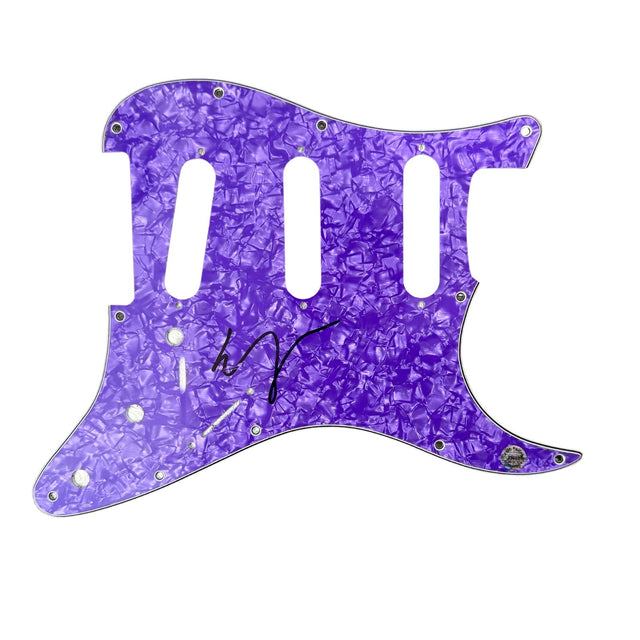
Vampire Weekend Ezra Koenig Signed Guitar Pickguard Autograph Hologram COA
$100.00 USD
-
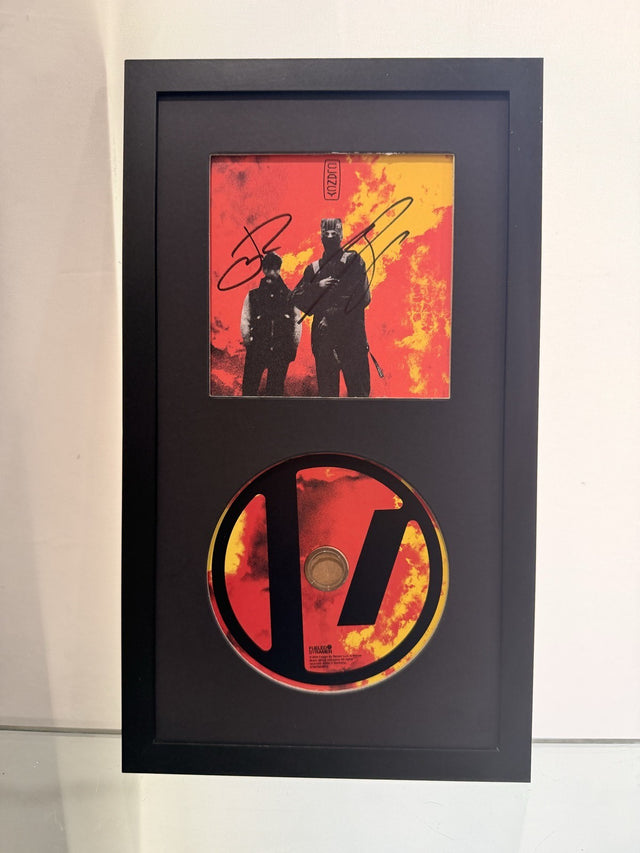
Twenty One Pilots Signed Clancy CD Framed Display Tyler Joseph Josh Dun Auto
$199.00 USD
-
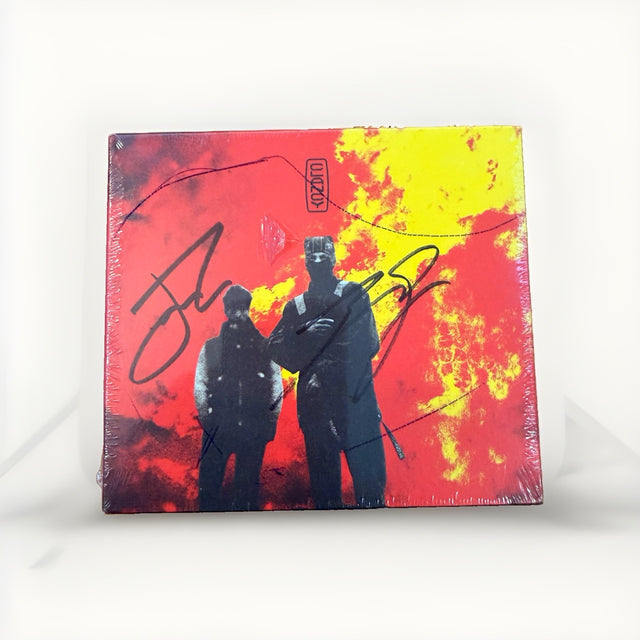
Twenty One Pilots Clancy Signed CD Tyler Joseph Josh Dun Sealed Unopened 2024
$189.00 USD
-
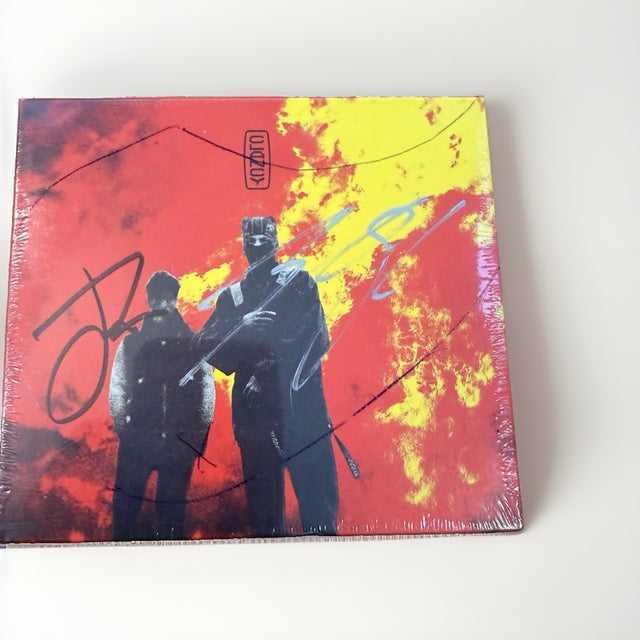
Twenty One Pilots Clancy Signed CD Sealed Tyler Joseph Josh Dun Silver Autograph
$189.00 USD
-
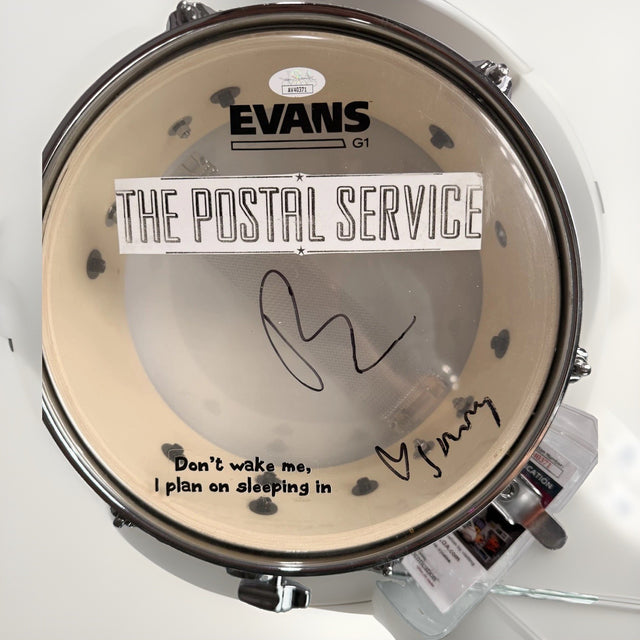
The Postal Service Dual Signed Evans M-80 Drumhead JSA A40371
$499.00 USD
-
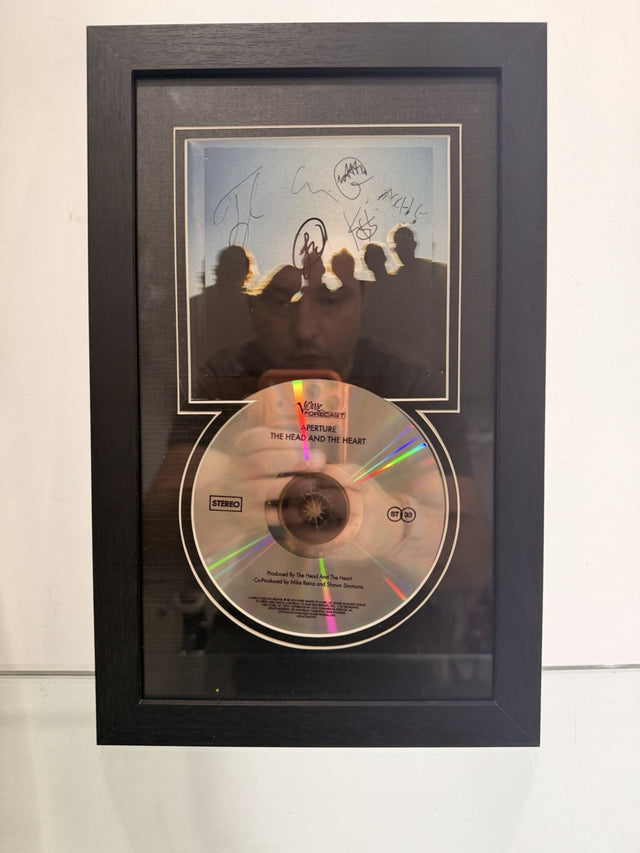
The Head and the Heart Band Signed Framed 'aperture' CD COVER ALBUM
$65.00 USD
Browse the collection for current listings.