Short answer
The best first KAWS for most collectors is an open-edition Companion or BFF vinyl figure — affordable, widely traded, and genuinely from KAWS’s studio — while serious counterfeits make authentication the single most important step before buying. Assess counterfeit risk through release-specific physical checks, documented provenance and the evidence supplied for the individual item; an uncited market-wide fake rate is not an authentication test.
This guide covers the smart first purchase, how to tell real from fake, and what condition does to value.
What is the best first KAWS figure?
For a first purchase, prioritize liquidity and authenticity over rarity. The most-traded KAWS figures — the ones easiest to buy, verify, and resell — make the safest entry points:
| Figure | Why it’s a good first buy |
|---|---|
| Companion (Open Edition vinyl) | The signature KAWS form; high volume, easy to verify, broad demand |
| BFF (Open Edition vinyl) | Iconic, widely traded, recognizable silhouette |
| Holiday / Holiday Space | Among the single most-traded KAWS figures in the data |
| What Party | High liquidity and strong recognition |
| Take / Together / Separated | Popular companion-series figures with deep sales records |
Why open editions for a first buy? They were produced in larger numbers, so they are affordable (the median KAWS sale is around $382 ), easy to authenticate against thousands of comparable sales, and simple to resell.
Start with a figure you’ll display and enjoy. A Companion or BFF open edition gives you a real, recognizable KAWS object without the risk profile of a five-figure piece.
How do I spot a fake KAWS figure?
Counterfeit KAWS figures are common and increasingly sophisticated. Check these signals before buying:
- Box and print quality. Authentic KAWS packaging uses crisp, correctly registered printing. Blurry logos, off colors, wrong fonts, or smudged text are red flags.
- Paint application and seams. Genuine figures have clean paint edges and well-finished vinyl seams. Sloppy paint, visible overspray, or rough seams suggest a fake.
- Stamps and markings. KAWS figures carry specific base stampings — the artist’s signature mark, year, and the manufacturer (e.g., Medicom Toy). Compare against verified reference images for that exact release.
- Weight and material feel. Counterfeits often use cheaper vinyl that feels too light or too brittle.
- Price that’s too good. A “KAWS” priced far below market is almost always fake or misrepresented. Genuine figures track a known price range.
- Verifiable certification. A registered, independently verifiable certificate is far harder to counterfeit than a printed insert. On select newer Medicom releases, an embedded du-al.io NFC tag adds a second independent check — tap it and it should resolve to Medicom's official verification service — and KAWS:HOLIDAY figures from roughly 2022 onward include their own NFC authentication chip. For a KAWS or BE@RBRICK purchase, check the individual listing for release-specific packaging, production marks, condition and provenance. Manufacturer NFC is relevant only on releases that include it; a certificate alone does not establish authenticity.
The decisive question: can the authentication be verified independently? An online-verifiable certificate or documented provenance beats any claim of “100% authentic” with nothing to check.
Are sealed (unopened) BE@RBRICKs and KAWS figures worth more?
Yes — sealed, unopened condition generally commands a premium, because for designer collectibles condition is a primary driver of value. An unopened figure with intact, undamaged packaging is scarcer over time (most get opened and displayed) and is easier to authenticate and resell.
That said, condition is one factor among several. The specific release, edition size, colorway, and demand for that figure all matter. A sealed common open edition will not outvalue a rare opened limited edition. Within the same release, though, sealed beats opened — keep the box, keep it undamaged, and keep any authentication materials with the piece.
A note on the broader KAWS market, honestly: a massive wave of open-edition figures has entered the market in recent years — recorded sales volume is up dramatically — which has softened typical prices (the median moved from about $539 in 2022 to $390 in 2026), even as the most recent year shows a rebound of roughly 11%. This is why condition, edition, and authentication — not just the KAWS name — determine which figures hold value.
This is historical market description, not investment advice or an appraisal of any specific object.
How Gauntlet Gallery authenticates KAWS figures and BE@RBRICKs
Educational guide only; confirm the specific authentication and condition details on each listing before purchase.
Shop BE@RBRICK
Explore current pieces available from the gallery.
-
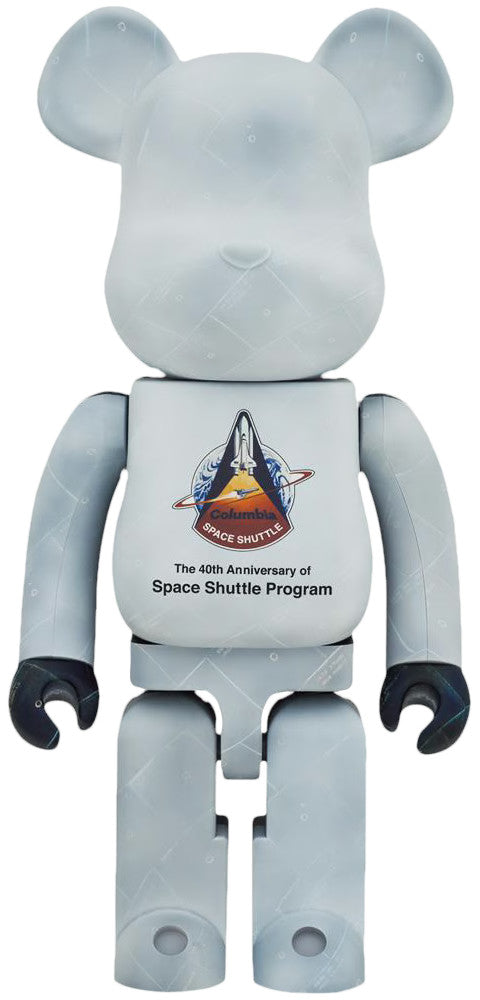
BE@RBRICK NASA Space Shuttle 40th Anniversary 1000% Medicom Toy Bearbrick
$600.00 USD
-
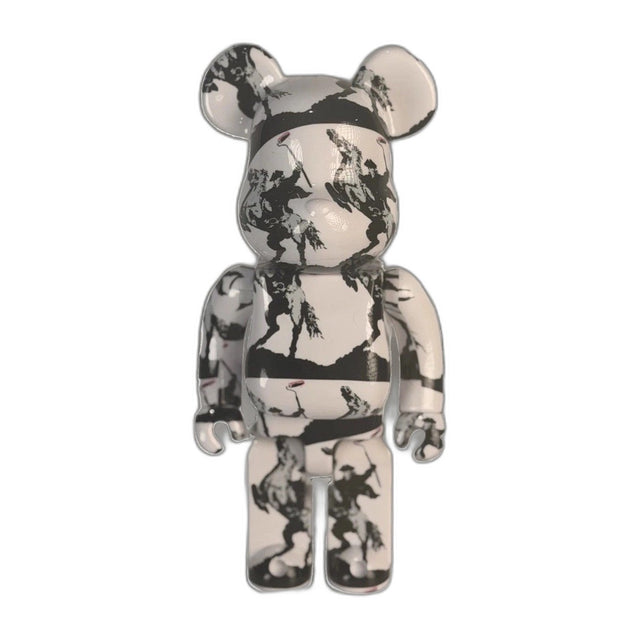
BE@RBRICK Brandalism Sync Banksy Medicom Toy Art Figure du-al.io Authenticated
$199.00 USD
-
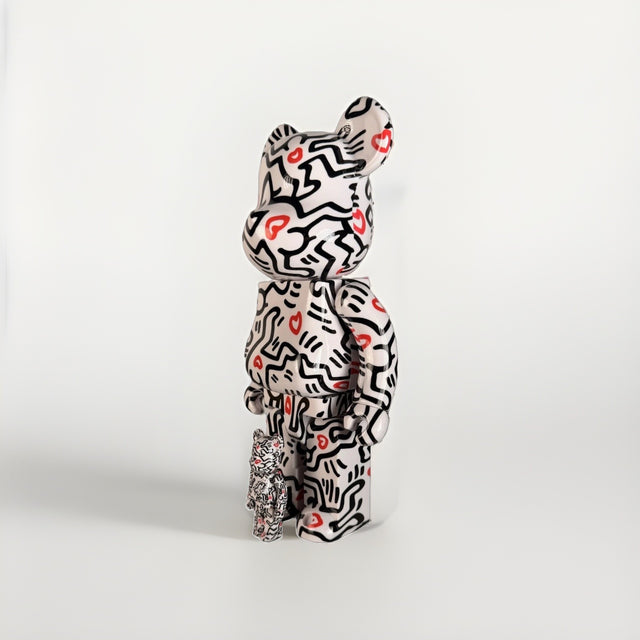
BE@RBRICK Keith Haring 400% + 100% Set Medicom Toy Bearbrick Foundation Art New
$199.00 USD
-
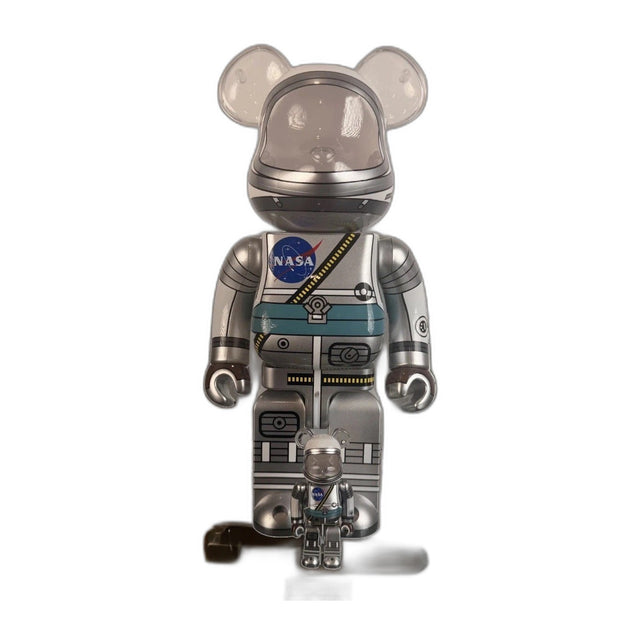
Bearbrick BE@RBRICK Mercury Astronaut 400% 100% Set NASA Medicom Toy Sealed New
$225.00 USD
-
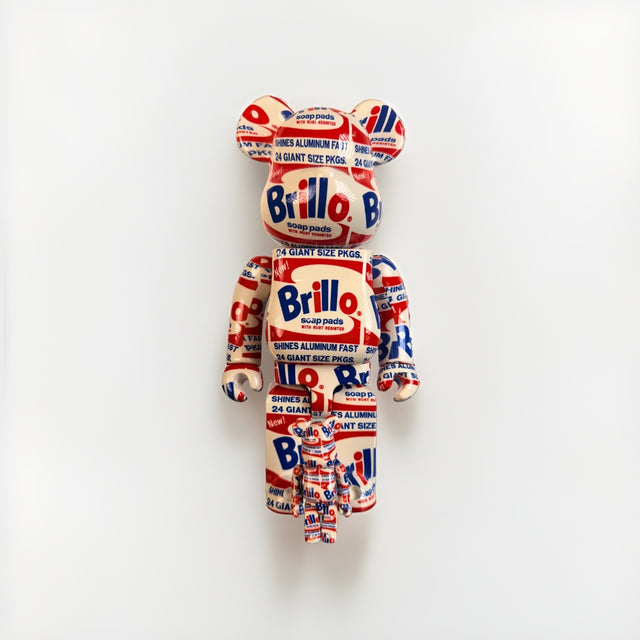
Bearbrick BE@RBRICK Andy Warhol Brillo 400% 100% Set Original 2020 Medicom New
$275.00 USD
Browse the collection for current listings.