Roger Epperson REAL Letters: The Music Memorabilia Standard

Most authentication letters are paper.
They look official. They have logos. Someone with a title signed them. But in the music memorabilia market, paper is cheap and titles are cheaper. The forgery problem in signed music pieces is not a fringe issue — it is structural. FBI Operation Bullpen exposed how deep the counterfeit network ran across sports and entertainment memorabilia, and the music segment has never been immune.
Which is why when a Roger Epperson REAL letter comes attached to a piece, it means something different.
Not because of branding. Because of what it actually represents: decades of hands-on examination, a documented specialty methodology, and a track record that the broader authentication industry treats as a reference point rather than just another opinion.
This article is for collectors who want to understand why that matters — and how to use that knowledge when you are buying, selling, or deciding whether a piece is worth holding.
The Forgery Problem Is Worse Than You Think
Start with the honest number: a significant percentage of signed music memorabilia circulating in the secondary market is not what it claims to be.
That is not hyperbole. It is the industry consensus among major auction houses, the documented findings from law enforcement operations, and the quiet understanding among experienced dealers who have watched pieces change hands for decades.
FBI Operation Bullpen, which ran through the late 1990s and early 2000s, targeted forged sports and entertainment autographs moving through dealer networks. The operation resulted in over two dozen convictions. More importantly, it revealed the industrial scale at which forgeries were produced — signed in bulk, certified by complicit or incompetent authenticators, and fed into the market through channels that looked completely legitimate to end buyers.
The music world had its own version of this problem running parallel. Signed albums, concert posters, guitars, drumheads, backstage passes — high-demand signatures on high-value objects, with a collector base that was passionate but often undereducated on what legitimate provenance actually looked like.
If the piece came from a "personal connection" who knew someone backstage, does that make it real?
Not necessarily. Provenance stories are easy to construct. The signature is what matters, and the signature requires examination by someone who actually knows what they are looking at.
What Beckett Authentication Services Actually Is

Before getting into the REAL designation specifically, it helps to understand the Beckett Authentication Services (BAS) structure — because "BAS certified" covers a wide range of things, and collectors who treat it as a monolithic stamp are missing important nuance.
Beckett is best known in the hobby for grading trading cards. That reputation for consistency and process integrity extended into the autograph authentication space, where BAS built out a certification program covering sports, entertainment, and eventually music memorabilia.
The standard BAS authentication process involves examination by staff authenticators, comparison against a reference database of known genuine exemplars, and issuance of a certificate with a tamper-evident label that can be verified through Beckett's online registry. PSA (Professional Sports Authenticator) runs a parallel process with similar structure, and JSA (James Spence Authentication) operates on a comparable model.
For most categories, these three — BAS, PSA, JSA — represent the tier-one authentication standard. Any serious collector of signed sports or entertainment items should be working within that framework.
But here is the thing about music specifically: it is not sports.
A baseball player's signature is relatively stable over a career. They sign thousands of items in controlled environments — signings, shows, certified events. The reference database is dense and well-documented. Comparison is easier.
Music signatures are different. Rock musicians, in particular, sign inconsistently across decades. They sign differently drunk than sober, differently at peak career than in decline, differently on a flat surface than on a curved guitar body at a festival. The reference pool is harder to build and harder to use. The margin for error in a generalist examination is wider.
So what happens when you need more than a generalist?
Roger Epperson and the REAL Designation
Roger Epperson is not a brand. He is a specialist.
His work in music autograph authentication spans decades of active examination, with a focus that has remained deliberately narrow: rock and roll, classic artists, the signatures that drive the high end of the music memorabilia market. Beatles. Rolling Stones. Hendrix. Zeppelin. The artists whose signatures appear on the pieces that move serious money.
The REAL designation — which operates within the Beckett Authentication Services framework — represents Epperson's specific opinion as a named specialist. This is the critical distinction. When a piece carries an Epperson REAL letter, you are not getting a house opinion from a rotating staff. You are getting a documented assessment from a recognized expert whose name, methodology, and reputation are attached to that specific conclusion.
Think of the JSA parallel: JSA offers a Basic certification (house opinion, lower tier) and a full Letter of Authenticity (JSA LOA), which carries more weight because it represents a more thorough examination process and a clearer chain of accountability. The REAL letter functions analogously in the music space — it is the specialist tier, not the baseline.
For Gauntlet Gallery, when we are evaluating high-value music pieces, an Epperson REAL letter on a significant classic rock signature is the closest thing to a conversation-ender the market currently offers.
That does not mean we stop asking questions. It means we start from a different baseline.
What the Examination Process Looks Like
The REAL methodology is not a black box, though the specifics of any individual examination are proprietary. What is publicly understood about the process includes several layers that generalist authenticators frequently skip or compress.
Reference Database Depth
Epperson's comparative reference library for music signatures is one of the most extensive privately held collections of genuine exemplars in the field. This matters because authentication is fundamentally a comparison exercise. You cannot reliably say a signature is genuine if you do not have a deep, well-sourced reference set of confirmed genuine examples across different periods and contexts.
Building that database is decades of work. It is not something a generalist authenticator assembles on the side.
Period and Context Sensitivity
A John Lennon signature from 1963 looks different from one signed in 1975. A signature on a drumhead — curved surface, marker bleed — looks different from one on a flat album cover. Context-sensitive examination accounts for these variables.
Generalist authenticators working at volume sometimes apply a single-period reference standard across everything. That is where errors compound.
Physical Examination of the Substrate
Paper age. Ink oxidation. Marker chemistry. The physical object carries evidence beyond the signature itself. A piece claiming vintage provenance should show consistent aging across all its components. Inconsistencies in substrate condition relative to claimed date are red flags that optical examination alone cannot catch.
The Written Letter
An Epperson REAL letter documents the specific item examined, the basis for the opinion, and the conclusion. It is a named, accountable document — not a sticker and a serial number. For insurance, estate planning, or dispute resolution, a named specialist letter carries weight that a label-only certification often cannot.
The Authentication Tier Framework for Music

Here is how to think about the authentication landscape for signed music memorabilia in practical terms:
| Tier | Authentication Type | Use Case |
|---|---|---|
| Tier 1 | Roger Epperson REAL Letter | High-value classic rock, Beatles, Stones, Hendrix, Zeppelin — any piece where specialist depth matters |
| Tier 1 | BAS Full LOA (Beckett) | Strong baseline for most music categories; best combined with specialist review on major pieces |
| Tier 1 | PSA/DNA Full LOA | Widely accepted; strong registry and verification infrastructure |
| Tier 1 | JSA Full LOA | Strong across entertainment; JSA Basic is a lower tier — distinguish carefully |
| Tier 2 | JSA Basic / BAS Witnessed | Witnessed signings with documented chain; lower evidentiary weight on secondary market |
| Tier 3 | Dealer COA / In-House Letter | Varies widely; only credible with strong independent corroboration |
| No Value | Unknown authenticator COA | Paper with a logo. Treat as unauthenticated. |
The practical implication: for a signed Beatles album, a signed Hendrix guitar, or a signed Rolling Stones piece commanding serious secondary market value, Tier 1 authentication is not optional. It is the price of entry for a legitimate transaction.
PSA certification-verification warnings — issued by PSA itself — remind collectors that a valid cert number does not guarantee the item in front of you matches the item that was originally certified. Verify the cert number against PSA's registry. Confirm the item description matches. The same verification discipline applies to every certification in the tier-one framework.
How to Buy Music Memorabilia Intelligently
This is the checklist. Use it.
-
Identify the artist and the signature period
- Know which signatures are in highest demand and therefore most frequently forged
- Classic rock icons — Beatles individually and collectively, Hendrix, Lennon solo, Morrison, Zeppelin members — are the highest-risk categories
- Determine when the item was allegedly signed relative to the artist's career arc
-
Evaluate the authentication documentation
- Is it a Tier 1 certificate from BAS, PSA, JSA, or an Epperson REAL letter?
- For BAS and JSA: confirm whether it is a full LOA or a Basic/lower-tier cert
- Verify all cert numbers directly against the issuing authenticator's registry
- Check that item description on the cert matches the physical item in front of you
-
Examine the provenance chain
- Where did the seller acquire the piece?
- Is there documentation supporting that story: prior auction records, prior authentication, estate documentation?
- Compelling provenance stories with no paper trail are a warning sign, not a plus
-
Consider specialist review for high-value pieces
- For pieces in the significant five-figure range or higher, independent specialist review before purchase is not overcautious — it is standard practice
- The cost of an Epperson examination is trivial relative to the risk on a major piece
-
Check the seller
- Are they a recognized dealer with a transaction history in music memorabilia?
- Do they stand behind authentication with a clear returns policy tied to authenticity?
- Sellers who cannot or will not verify authentication documentation before sale are not worth the risk
-
Understand what you are buying physically
- Albums, guitars, drumheads, posters, and backstage passes each have distinct forgery risk profiles
- Guitars and drumheads, as curved or complex surfaces, require substrate-aware examination
- Vintage paper items require age-consistent condition analysis
Space Memorabilia: A Brief Parallel
It is worth noting how specialist authentication works in adjacent categories because the parallel illuminates the logic.
For space memorabilia — signed NASA items, mission artifacts, astronaut signatures — the standard framework is the same three major houses: BAS, JSA, and PSA/DNA. But for pieces where specialist depth matters, a Zarelli specialist letter from Francis Zarelli — the recognized domain expert in space memorabilia authentication — carries the same differentiated weight that an Epperson REAL letter carries in music.
The principle is identical: generalist authentication covers the broad market. Specialist authentication covers the pieces where the stakes are high enough that generalist methods carry meaningful risk.
Know which kind of piece you are dealing with before you decide which kind of authentication is sufficient.
Why Provenance Alone Is Never Enough

A recurring conversation in the music memorabilia market involves the seller who says: "I was there. I got this signed personally. I don't need some authenticator telling me what I have."
The problem is not that the story is necessarily false. The problem is that it is unverifiable, untransferable, and worth nothing to the next buyer.
Provenance matters. It adds context. It can corroborate authentication. But provenance without authentication is a story, and stories do not hold up when a piece changes hands, goes to auction, or becomes part of an estate.
What happens to "I was there" when you are no longer there to tell it?
An Epperson REAL letter, a BAS LOA, a PSA/DNA cert with a verified registry entry — these are transferable. They travel with the piece. They speak for themselves when you cannot.
The most valuable provenance a music piece can carry is strong authentication documentation that an independent expert can verify without taking anyone's word for anything.
The Resale Value Equation
This is the part that collectors sometimes resist thinking about, but it matters.
Pieces with Tier 1 authentication — and specifically pieces with Epperson REAL letters on high-value classic rock signatures — trade differently than unverified or weakly authenticated pieces. Not marginally differently. Categorically differently.
Major auction houses doing significant volumes in music memorabilia have their own authentication standards and review processes. When a piece arrives with strong existing documentation from a recognized specialist, it clears the intake process faster, it carries less risk premium in the buyer's mind, and it commands stronger results.
When a piece arrives with a dealer COA or an unknown authenticator's letter, it faces additional scrutiny, additional cost if re-authentication is required, and frequently a discount that reflects the documentation gap.
The authentication investment is not a cost. It is a market positioning decision.
Pieces with Epperson REAL letters on significant artists do not need to justify their authentication. That work is already done. That is worth something real when it comes time to sell.
Red Flags
Before you commit to any music memorabilia purchase, check this list. These are not academic concerns. They are patterns that recur in problematic pieces.
- Authentication from an unknown or obscure company. If you cannot independently verify the authenticator's standing, credentials, and market reputation, the certificate is decoration. It is not authentication.
- Provenance story that cannot be documented. "I knew someone who knew someone backstage" is not provenance. Documented chain of custody is provenance.
- Cert number that does not verify against the issuing registry. PSA, BAS, and JSA all maintain online verification. If the number does not return the item you are holding, walk away.
- Item description on the cert does not match the physical item. Certs migrate. Labels get transferred. Verify item-specific details: medium, size, inscription, condition notes.
- A JSA Basic cert on a high-value piece. JSA Basic and JSA LOA are not the same thing. Know which one you have.
- Inconsistent aging across the item. If the paper shows one age and the ink shows another, something is wrong. Substrate and signature should age consistently.
- Pressure to close fast. High-pressure selling on a piece with thin documentation is a pattern. Legitimate pieces with legitimate authentication do not require urgency.
- Multiple conflicting authentication certs. A piece that has been through several authenticators with inconsistent results is a piece with a problem. Reassessment is normal; a trail of rejected or contradicted opinions is not.
- Price that is significantly below market. In music memorabilia, as in everything, prices that seem too good are usually communicating something about authentication risk.
Bottom Line
Music memorabilia is one of the most emotionally compelling collecting categories in the market. It is also one of the most heavily forged.
Those two facts exist together for a reason. Strong demand, high prices, and passionate buyers who sometimes let their connection to the music override their judgment about the piece in front of them. That combination has supported a forgery ecosystem for decades.
Roger Epperson REAL letters exist because the market needed something better than generalist authentication for the pieces that actually matter. Decades of specialist work, a deep reference database, a named accountable opinion — that is what a REAL letter represents.
For high-value classic rock signatures, for the Beatles, Hendrix, Zeppelin, and the artists whose autographs define what serious music memorabilia collecting looks like, an Epperson REAL letter is not a nice-to-have. It is the standard.
Everything below that standard is a risk you are choosing to take.
Know what you are choosing.
Frequently Asked Questions
What exactly is a Roger Epperson REAL letter?
It is a Letter of Authenticity issued by Roger Epperson, a specialist music autograph authenticator operating within the Beckett Authentication Services (BAS) framework. Unlike a standard BAS certification — which represents a house opinion from staff authenticators — a REAL letter is a named specialist opinion attached to a specific examination of a specific piece. It carries Epperson's personal assessment, methodology, and accountable signature. For significant classic rock and music memorabilia, it represents the highest tier of specialist authentication currently available in the market.
Is a BAS certification the same as an Epperson REAL letter?
No. BAS is the parent framework. Epperson REAL is the specialist tier within it. A standard BAS certification comes from BAS staff authenticators. An Epperson REAL letter comes specifically from Roger Epperson as a named specialist. Both carry value, but for high-value music pieces — particularly classic rock, Beatles, Hendrix, and similar artists — the specialist letter carries differentiated weight in the secondary market.
Which artists benefit most from Epperson authentication specifically?
Epperson's specialty is primarily classic rock and the artists who define the high end of signed music memorabilia: The Beatles (individually and collectively), Jimi Hendrix, The Rolling Stones, Led Zeppelin members, The Doors, and comparable artists from the rock canon. These are also, not coincidentally, the categories most frequently targeted by forgers. The intersection of high value and high forgery risk is exactly where specialist authentication matters most.
What is the difference between a JSA Basic and a JSA LOA?
JSA (James Spence Authentication) issues two primary types of certificates. A JSA Basic certification is a lower-tier opinion, often used for items submitted in bulk or at lower price points. A JSA Full Letter of Authenticity (LOA) represents a more thorough examination process with greater evidentiary weight in the secondary market. Collectors should confirm which type they hold — treating a JSA Basic as equivalent to a JSA LOA is a common and costly mistake.
Do I need to reverify a cert number if the piece already has documentation?
Yes. Always. PSA certification-verification warnings issued by PSA itself note that a valid cert number does not automatically confirm the item in front of you is the item that was originally certified. Labels and certs can be removed from one piece and attached to another. Verify every cert number directly against the issuing registry — BAS, PSA, or JSA — and confirm that the item description on file matches what you are physically examining.
How does Epperson authentication affect resale value?
Meaningfully. Pieces with Epperson REAL letters on significant artists trade at a different level than weakly authenticated or unauthenticated pieces. Major auction houses have their own intake processes and authentication standards; a piece arriving with strong specialist documentation clears that process faster and carries less risk premium. The authentication investment positions the piece better in every subsequent transaction. Think of it as a capital improvement on the piece, not a sunk cost.
What should I do if I already own a piece with only a dealer COA?
Evaluate the piece's value tier first. If it is a low-value piece, the economics may not justify specialist re-authentication. If it is a piece with meaningful value — significant artist, desirable format, strong physical condition — submitting it for independent Tier 1 authentication is almost always worth doing before any sale or major insurance event. A dealer COA from an unknown source provides essentially no protection to a buyer in a serious secondary market transaction.
Can authentication documentation be forged?
Yes, and it has been. This is why the verification step — checking cert numbers directly against issuing registries — is non-negotiable. Fake PSA stickers, fake BAS labels, and fabricated LOA letters have all appeared in the market. The authentication is only as reliable as your ability to verify it against the source. If the issuing house cannot confirm the cert, the cert is not what it claims to be. Do not skip the verification step regardless of how legitimate the document looks.
Shop Music memorabilia
Explore current pieces available from the gallery.
-
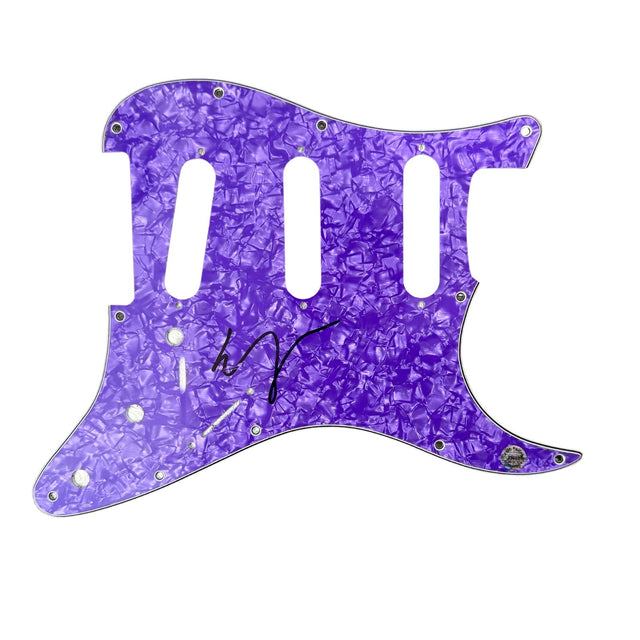
Vampire Weekend Ezra Koenig Signed Guitar Pickguard Autograph Hologram COA
$100.00 USD
-
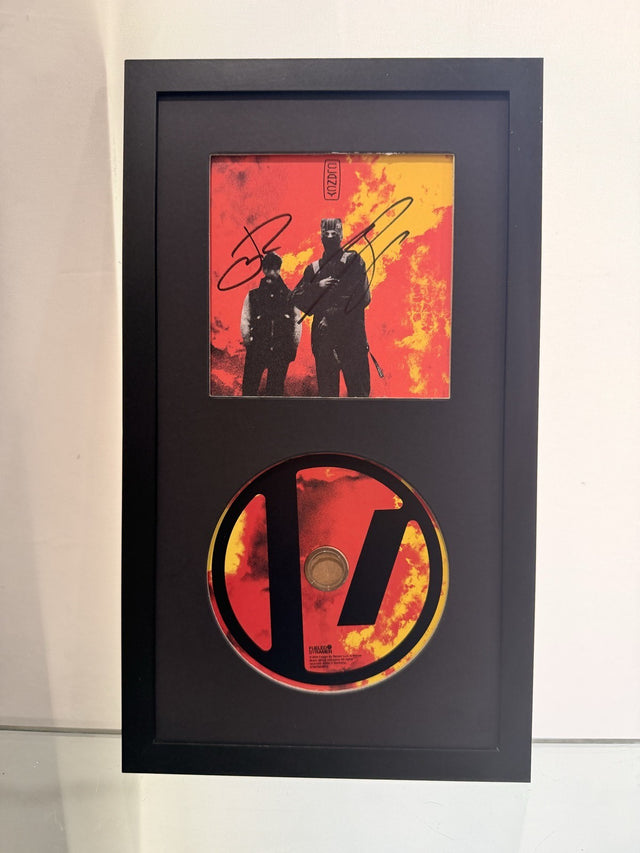
Twenty One Pilots Signed Clancy CD Framed Display Tyler Joseph Josh Dun Auto
$199.00 USD
-
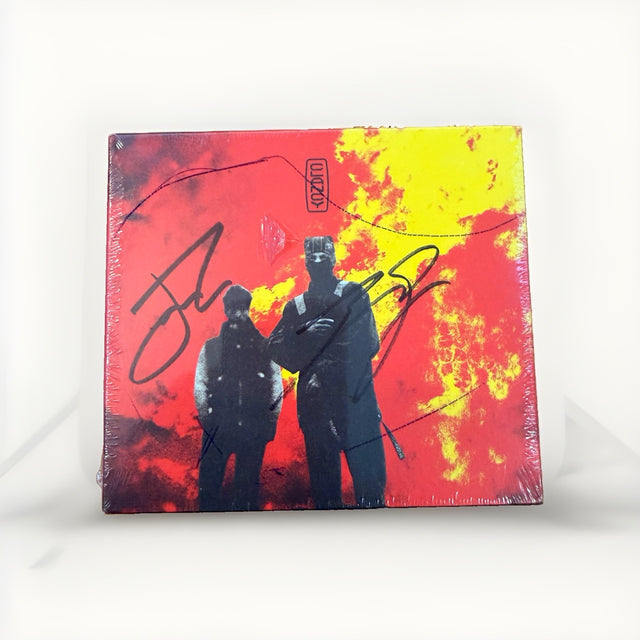
Twenty One Pilots Clancy Signed CD Tyler Joseph Josh Dun Sealed Unopened 2024
$189.00 USD
-
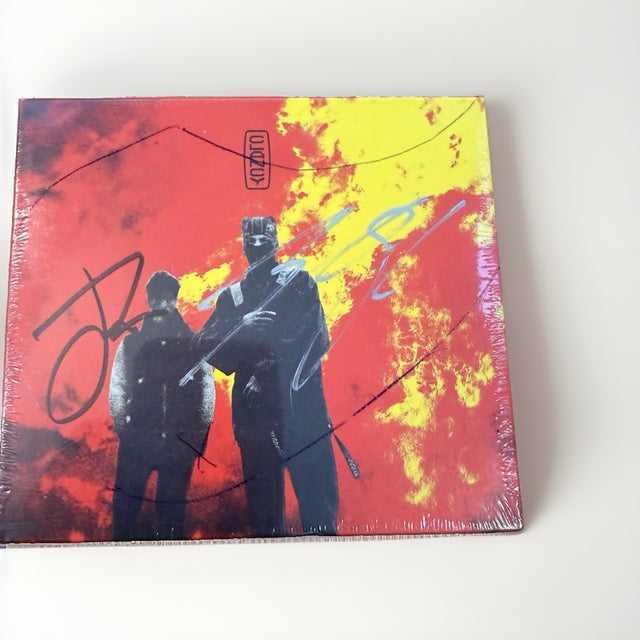
Twenty One Pilots Clancy Signed CD Sealed Tyler Joseph Josh Dun Silver Autograph
$189.00 USD
-
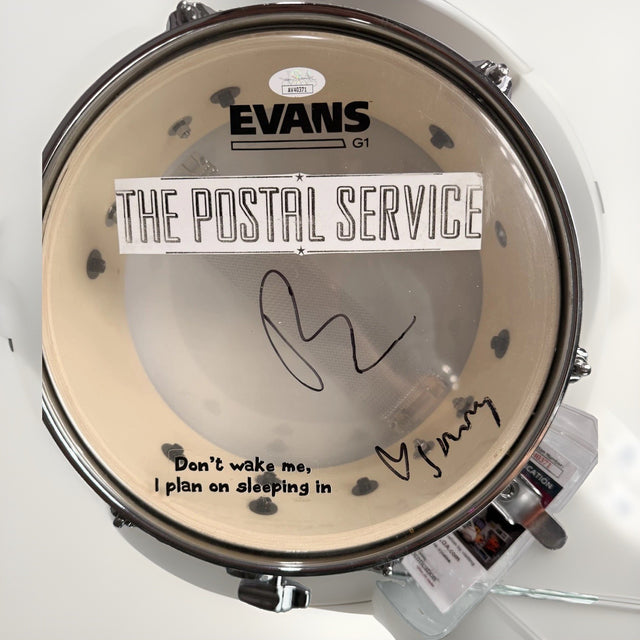
The Postal Service Dual Signed Evans M-80 Drumhead JSA A40371
$499.00 USD
-
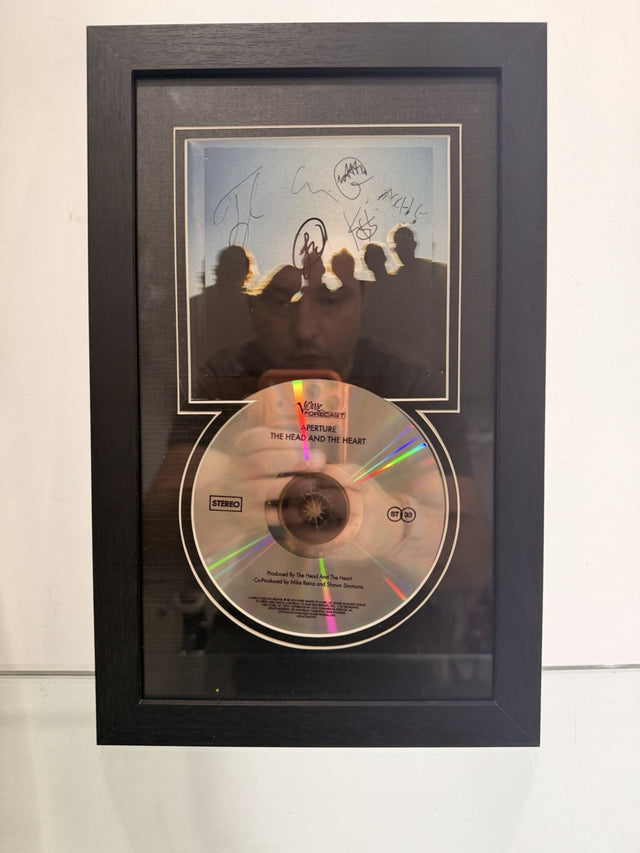
The Head and the Heart Band Signed Framed 'aperture' CD COVER ALBUM
$65.00 USD
Browse the collection for current listings.