The collectibles market is flooded with sellers who treat art as inventory and history as marketing copy. Walk through any major online marketplace on a Tuesday afternoon and you will find thousands of listings that describe the dimensions of a print, the rough condition of a corner, and the price the seller hopes to extract. What you will rarely find is the chapter of culture the piece belongs to, the comp data that validates the asking number, or the authentication chain a serious collector will demand five years from now when the piece changes hands again.
Gauntlet Gallery operates on a different premise. Every piece we list is a chapter of culture, and the dealer's job is to make sure the buyer inherits that chapter intact. That means the comps come with the piece. The authentication chain comes with the piece. The video provenance comes with the piece. The narrative weight, the edition context, the place the work occupies in its artist's or its category's secondary market, all of it comes with the piece.
Pillar One: Curation. The Market Test and the Curatorial Gate

Most dealers ask one question when they consider a piece for inventory: will this sell. It is the wrong question if you are trying to build a gallery whose listings hold up under the scrutiny of a collector five years from now. The question Gauntlet Gallery asks is structurally different: does this piece belong in a serious collection in five years.
The first gate a piece has to pass is the market test. We hand-pick artists whose secondary market is verifiably alive, meaning there are recurring auction-house results across multiple seasons, a baseline of private-sale activity confirmed by recognized advisors, and editions whose prices behave like a market rather than like a wish list. The second gate is curatorial. Once an artist has cleared the market test, each individual piece is evaluated on four axes: condition, provenance, edition tier, and narrative weight.
The discipline costs us listings. We have walked away from pieces that other dealers would have happily catalogued. Those decisions slow our inventory turnover. They also build the kind of catalog where every piece earns its place.
Pillar Two: Authentication. Category-Specific Chains, Never Overclaimed
Gauntlet Gallery's authentication discipline is built on a simple rule: each category gets the chain that category's market actually requires, no more and no less, and the chains never cross.
Street Art, Banksy-adjacent territory. Pest Control is the only authority Banksy recognizes for his own work. Gauntlet Gallery does not claim Pest Control authentication on any piece we do not actually carry through that authority. When we list Banksy-adjacent work, we say so plainly in the listing.
Shepard Fairey and Obey Giant. No COA exists for Fairey work. Anyone selling you a Fairey "Certificate of Authenticity" is selling fiction. The legitimate authentication chain for a Fairey print is the signature, the edition numbering, the Obey Giant drop record where applicable, and the provenance trail back to a credible source.
Death NYC. Two elements are required and both must be present: the artist-signed COA and the studio-applied gold seal. Either one alone is insufficient.
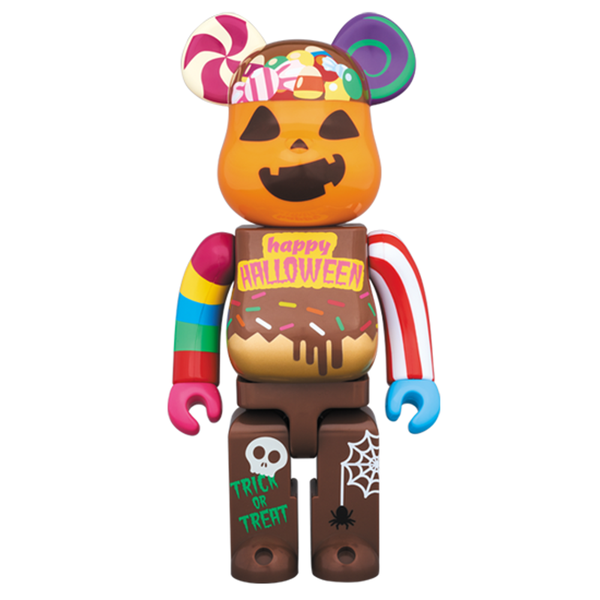
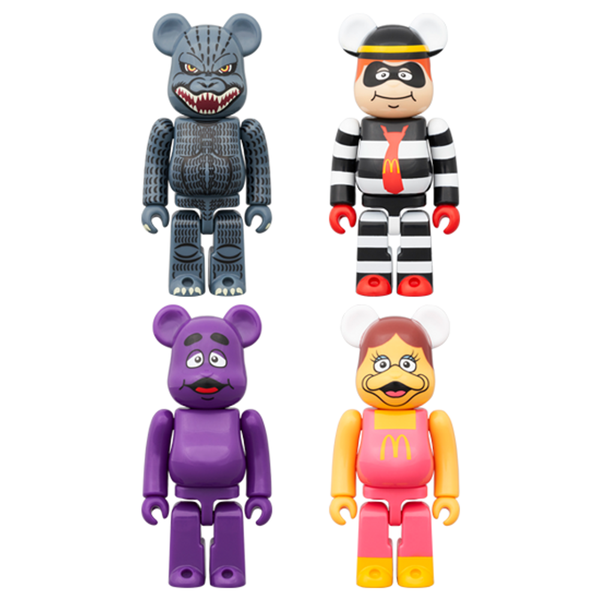
KAWS and BE@RBRICK. The chain is the original retail box, the hologram or release marker, the molded foot stamp, and the documented release record. We do not claim certification a piece does not carry. For a KAWS or BE@RBRICK purchase, check the individual listing for release-specific packaging, production marks, condition and provenance. Manufacturer NFC is relevant only on releases that include it; a certificate alone does not establish authenticity.
Warhol. Where the evidence supports it and where a piece falls inside the categories TrueCOA is qualified to opine on, the TrueCOA opinion is part of the chain.
Signed Music Memorabilia. The chain is Beckett (BAS), JSA, and PSA, used in combination according to what the specific signature and era require. For vintage rock signatures, a Roger Epperson opinion routed through BAS is the gold standard.
Space Collectables. The chain is the same Beckett, JSA, PSA structure plus, critically, a Zarelli specialist letter for flight-flown material and astronaut signatures.
Pillar Three: Transparent Data-Driven ROI

We surface that data to the buyer instead of holding it back. Use dated completed sales for the same artist, release, format and condition, recording the venue, currency and fees. Asking prices and broad archive totals do not establish a realized sale price or future return.
What that looks like in a listing: median price tracking by artist and by edition, so a buyer can see where the asking price sits relative to the trailing distribution. Per-artist growth curves, so a buyer can see whether they are entering a market that is appreciating, plateauing, or correcting. Auction-tier data showing where each artist sits in the major-house ecosystem. Edition-level breakouts, so the buyer understands that the AP behaves differently than the main run.
The Video Hero Approach
Static photography can document a piece. It cannot tell its story. Gauntlet Gallery's category pages and authentication pages are built around video heroes because moving images carry narrative density that no still photograph can match.
On the COA-lookup page, the hero video shows the authentication workflow in motion: the chain being walked, the documents being cross-referenced, the seals being verified, the comps being pulled. A buyer who has never seen a real authentication chain executed end-to-end gets to watch one before they buy. On the category pages, the video patterns are tuned to the category. Street art pages lean into artist process footage. Designer toy pages use retail-floor walkthroughs. Music memorabilia pages use performance footage. Space collectables pages use mission footage.
The technical execution is mobile-first by necessity. Video is suppressed on mobile to protect the user's data plan and battery. On desktop, the video lazy-loads after the initial render.
Telling History Through Art: Three Case Studies
A signed Hendrix piece. The autograph is the obvious surface. The chain underneath is what makes the piece a chapter of history. The era of the signature matters. The venue context matters. The witness chain matters. The comp history matters. Gauntlet Gallery surfaces all four. The buyer does not just inherit a signature. They inherit a documented moment.
An Apollo flown patch. The flag or patch itself is the artifact. The cargo manifest matters. The astronaut's contemporaneous letter matters. The recovery handoff matters. The museum acquisition trail matters when the piece has passed through institutional hands. A Gauntlet Gallery listing surfaces the mission documentation, the Zarelli letter, and the multi-authority signature authentication.
A Death NYC piece. The COA and the gold seal are the authentication chain. Death NYC's NYC street context matters. The edition number matters. The secondary closes matter. The artist's broader catalog matters. Gauntlet Gallery surfaces all of it.
The 500+ Happy Customers and What Their Reviews Surface

Gauntlet Gallery has crossed 500 happy customers, and the content of those reviews is itself a quality signal. The buyers are not talking about how fast the shipping was. They are talking about the COAs that arrived intact, the packaging that protected the piece in transit, the paperwork that documented the chain, the provenance that arrived with the piece. Each verified-chain customer becomes a long-term collector who returns, refers, and builds a position over years.
Multi-Marketplace Strategy: Same Standard Everywhere
Gauntlet Gallery operates across Shopify at gauntlet.gallery, plus Poshmark, eBay, and Mercari. The standards do not change between platforms. The same authentication chain applies whether the buyer arrives through our own storefront or through a third-party marketplace. The chain is the product. The marketplace is the channel.
Comparison: Gauntlet Gallery vs the Typical Dealer Approach

| Dimension | Questions for any seller |
|---|---|
| Curation | Ask how the actual object was selected and what research supports its attribution. |
| Authentication | Ask who issued the opinion, what was examined and how its identifier can be checked. |
| Pricing Data | Ask for dated comparables matching the work, edition, condition and documentation. |
| Provenance Documentation | Ask for the available ownership records and any disclosed gaps. |
| Storytelling | Inspect the actual images, object description and supporting evidence. |
| Post-Sale Engagement | Confirm the services explicitly offered for the individual transaction. |
What This Looks Like to a First-Time Buyer
For someone making their first purchase from Gauntlet Gallery, the experience is structured to be educational rather than overwhelming. A first-time buyer typically begins by researching the dealer through the editorial section and category landing pages. They then move to a specific listing, where the comp data is presented alongside the asking price, the authentication chain is documented in full with photographs, the provenance trail is laid out, and the narrative weight of the piece is explained.
Post-purchase, the piece arrives with the documentation organized and protected, the COA and any seals or hologram material in their original condition, and the paperwork ready for the buyer's own collection records, insurance scheduling, or future resale. The first-time buyer comes out the other side of the transaction having learned the category.
Closing: Art as Cultural Inheritance
Collecting is not consumption. The word that does the right work here is stewardship. A collector who acquires a Hendrix signature, an Apollo flown patch, a Fairey print, a Death NYC edition, a KAWS figure, or a Warhol work is taking custody of a chapter of culture that existed before they arrived and will exist after they are gone. The dealer's job is to make sure the chapter arrives in the collector's hands intact.
That is the Gauntlet Gallery standard. Curation that passes a market test and a curatorial gate. Authentication chains that are category-specific and never overclaimed. Video heroes that turn each category into a documentary. A 500-plus customer base whose reviews talk about the chain because the chain is what they paid for. Tell the history. Carry the chain. Deliver the chapter whole.
Available at Gauntlet Gallery
Explore current pieces available from the gallery.
-

1963 Farquhar Earth in Space Transparent Celestial Globe 16" Compass VTG
$699.00 USD
-

1967 Beatles Richard Avedon STERN Original Posters Set of 4 Linen Backed Copy
$999.00 USD
-
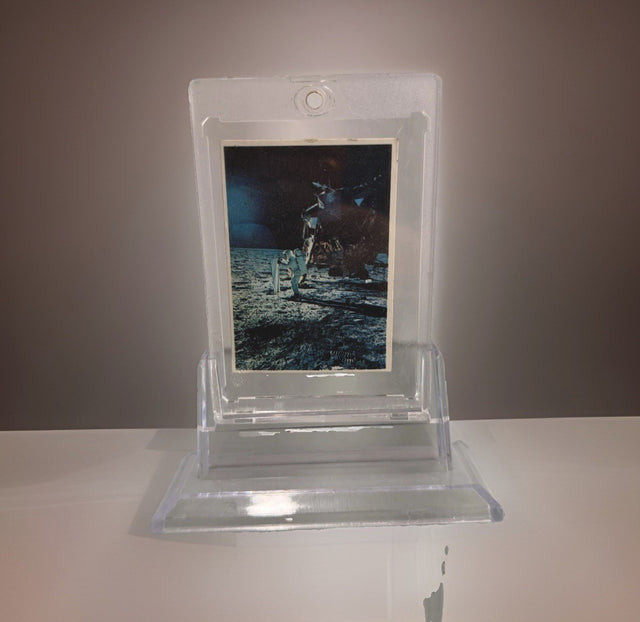
1969 Space Candy Buzz Aldrin Apollo 11 On The Moon Card #19 Taylor-Reed Display
$59.00 USD
-

1980 Polo Player Green Pink Chalk Pastel Bears Andy Warhol Signature AS-IS
$399.00 USD
-

After Andy Warhol Moon Landing Line Drawing 5/50 w/ Astronaut Autographs As-Is
$175.00 USD
-

After John Lennon "I Do" Framed Print, Marked A/P Unverified
$99.00 USD


Browse the collection for current listings.