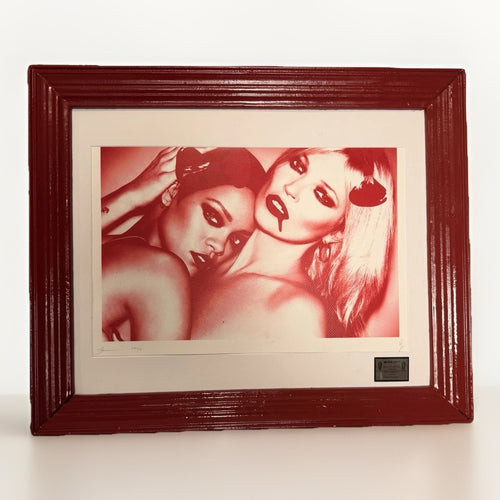
To protect your Death NYC print's value, store it flat in an archival sleeve at 65–72°F and 40–55% humidity, always with its original COA card. Frame with 99% UV-filtering acrylic and acid-free materials. These steps are not optional — they are the difference between a collectible that appreciates and one that quietly loses value on your wall.
Death NYC prints — 18×13 inches, hand-signed, numbered editions of 50–100 copies with gold-embossed COAs, released at roughly $100 retail — occupy a precise and increasingly competitive tier of the contemporary street art market. Gauntlet Gallery has tracked and traded authenticated Death NYC editions since 2012, building one of the most detailed provenance and comparable-sales records in this category, with more than 160,000 comparable sales documented. The conservation advice below reflects what actually protects value in the secondary market, not general art-handling boilerplate.
Why Conservation Matters for Death NYC Prints Specifically
Death NYC's visual language — bold reds, saturated yellows, hot pinks, flat comic-book blacks — is intentionally high-contrast and eye-catching. That same palette is unusually vulnerable to photodegradation. The inks used on art paper editions are dye-based in many colorways, and dye-based inks break down faster under UV exposure than pigment-based alternatives. In direct sunlight without UV glazing, visible fading can begin within weeks, not years.
The paper substrate — uncoated art stock, typically 200–300 gsm — is also acid-sensitive. Exposure to air pollutants, high humidity, or improper framing materials will cause yellowing and foxing that no restoration service can fully reverse. Once the paper yellows, resale value drops regardless of how good the image looks in a photograph.
Finally, Death NYC editions are authenticated by a specific gold-embossed COA card issued with each print. That card is not just a document — it is a material component of the authenticated work. Separating the COA from the print, or losing it, is the single fastest way to destroy resale value in this category.
Storage: Flat, Archival, and Climate-Controlled
If your Death NYC print is not yet framed, or you are rotating prints in and out of display, proper flat storage is essential.
The Right Materials
Place each print inside an archival-quality polyester (Mylar) or polypropylene sleeve. These materials are chemically inert, will not off-gas acids onto the paper, and provide physical protection from dust and handling. Never use PVC sleeves — PVC off-gasses plasticizers over time that migrate into paper and cause permanent damage.
Store sleeved prints flat in a clamshell box or flat-file drawer. Do not stack heavy objects on top. Do not roll prints — Death NYC art paper will crease and the surface may crack at fold lines.
The COA Card Rule
Store the original gold-embossed COA card inside the same archival sleeve as the print, every time, without exception. A COA separated from its print is an orphan document — it authenticates nothing because it cannot be definitively matched to the specific hand-signed impression. Losing the COA card typically destroys 40–50% of resale value and makes the work effectively unplaceable through reputable auction and resale channels. Treat the COA as part of the work, not as paperwork.
Temperature and Humidity Targets
| Parameter | Target Range | Risk Outside Range |
|---|---|---|
| Temperature | 65–72°F (18–22°C) | Heat accelerates ink fade; cold causes paper brittleness |
| Relative Humidity | 40–55% RH | High RH causes mold and cockling; low RH causes paper cracking |
| Light Exposure (stored) | Zero — dark storage | Any sustained light accelerates photodegradation |
| Air Circulation | Moderate, filtered | Stagnant air promotes mold; high-velocity air introduces dust |
A climate-controlled interior closet away from exterior walls works well for most collectors. Avoid basements (humidity spikes), attics (temperature extremes), and rooms with direct sun exposure. A $30–$50 digital hygrometer will tell you whether your chosen storage location is actually within spec.
Framing: UV Protection Is Non-Negotiable
Framing a Death NYC print properly costs more than framing it casually. The difference matters. A $30 off-the-shelf frame with standard glass will cause measurable UV damage within the first year of display in a normal home environment.
Glazing: 99% UV-Filtering Acrylic Only
Standard glass blocks roughly 40–50% of UV radiation. Museum-grade UV-filtering acrylic blocks 99%+ and is the conservation standard for works on paper. It is also lighter than glass and will not shatter into shards that can lacerate the print surface. Look for products from Tru Vue (Optium Museum Acrylic) or equivalent. Avoid non-UV glass, standard acrylic, and the cheap "UV-resistant" glass sold at big-box framing chains — the UV claims on those products are marketing, not conservation specifications.
Matting and Mounting
Use a 4-ply acid-free mat with a pH of 7.0 or higher, buffered with calcium carbonate. The mat keeps the print surface from touching the glazing — direct contact causes blocking, surface transfer, and moisture-related damage over time.
Mount the print using archival corner mounts, hinge mounts with Japanese tissue and methylcellulose paste, or a similar reversible method. Never use adhesive tape, spray adhesive, dry mounting tissue, or any permanent adhesive on the print surface or verso. Permanent mounting is considered damage in the conservation sense and will be disclosed — and discounted — at any reputable auction house.
Backing Board
Use acid-free foam board or archival corrugated board as the backing. Standard foam board and corrugated cardboard are highly acidic and will cause yellowing and foxing on the print verso over time.
Budget Benchmarks for Death NYC Framing
For a Death NYC print in the $100–$300 value tier, budget $80–$150 for a properly conservation-framed result. This covers UV acrylic, acid-free mat, archival mounting, and a solid wood or metal frame. Custom framing shops that work with institutions and galleries will understand these specifications. Chain framing stores often do not stock true 99% UV acrylic — confirm the specific product before paying.
Display: Where You Hang It Matters
Even with UV-filtering glazing, display location affects long-term condition. Avoid south-facing walls that receive hours of direct sunlight daily. Avoid walls adjacent to heating vents, fireplaces, or kitchen exhaust paths — temperature and humidity fluctuations at those locations will stress the paper. Track and theatrical lighting should be positioned to avoid direct beam contact with the print surface; LED lighting with a low UV spectrum is preferable to halogen or incandescent sources.
Never hang a Death NYC print in a bathroom or kitchen. The humidity cycling in those rooms — daily spikes to 70–80% RH followed by drops — will cause the paper to cockle and the layers to delaminate over time, regardless of framing quality.
Handling Protocols
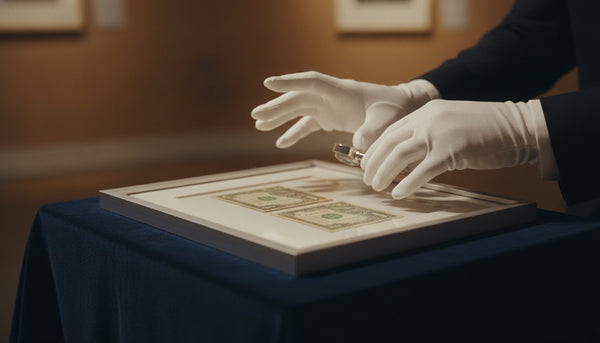
When handling an unframed Death NYC print: clean cotton or nitrile gloves only, support the full surface (no pinching), work over a clean acid-free surface. Never write on the print. Never attach labels, price stickers, or inventory tags to the print surface or directly to the COA card. Any ink transfer, pressure marks, or adhesive residue on the print is permanent and constitutes condition damage in secondary market appraisal.
The Resale Equation
Death NYC editions have documented secondary market premiums of 2x–4x release price on sold-out works. That premium is contingent on condition and provenance documentation. A print with a crisp COA, no fading, no foxing, no framing damage, and no handling marks will achieve the upper end of comparable sales ranges. A print with any of those issues — even minor yellowing or a missing COA — will be discounted materially or passed over entirely by serious buyers and institutions.
The conservation steps above cost $80–$150 in framing materials and roughly zero in ongoing maintenance. The resale cost of skipping them, on a $100–$500 print with 3x–4x upside, is disproportionate. Treat the print as the financial asset it is.
For broader context on Death NYC's market position, edition structure, authentication chain, and comparable sales data, see the Death NYC Collector Guide from Gauntlet Gallery.
Ready to Add to Your Collection?
Gauntlet Gallery offers authenticated Death NYC prints with intact COAs and full provenance documentation. Every work in our inventory has been verified against our 160,000+ comparable sales database. Browse available Death NYC editions — each listing includes edition details, condition notes, and authentication documentation.