

Gauntlet Gallery — Banksy Prints
Turf War (Unsigned)
Work Summary & Collector Notes
An unsigned screen print from Banksy's 2003 Turf War edition, reworking the iconic black-and-white portrait of wartime British Prime Minister Winston Churchill by replacing his hair with a strip of bright green turf styled as a punk mohican. The image served as the signature motif for Banksy's breakthrough 2003 Turf War show in East London and stands among his most recognizable acts of establishment portraiture defacement.
Collector notes: Edition label was not stated, and total quantity was not documented in the saved record. Edition-specific signature, numbering, and stamp details were not stated in the saved release record. Verify signing and numbering against a documented example of this edition.
Why It Matters
The print collides one of Britain's most revered national figures with the visual language of street-level rebellion, the turf mohican turning a statesman into a punk and puncturing the solemnity of national myth. It crystallizes Banksy's anti-establishment program: irreverence toward authority, sympathy for the disorderly, and a refusal to treat monuments as untouchable. As the emblem of the Turf War exhibition, the image is a key document of the moment Banksy moved from walls and stencils into a self-staged gallery event that drew mainstream attention.
Collector Perspective
This is the unsigned variant, which sits below the signed examples in both desirability and price, and the edition size for the unsigned run is not documented here, so buyers should verify specifics against the print and any accompanying paperwork. As a recognizable, named-show image with strong brand association, it carries real market interest, but as an unsigned piece it is a more accessible entry point rather than a blue-chip signed trophy.
Historical Context
Turf War was Banksy's landmark 2003 self-organized exhibition staged in a former warehouse in Hackney, East London, an event that included live painted animals and helped catapult him toward wider recognition. The Churchill image references the Allied war leader and enduring symbol of British resolve, with the title and turf mohican nodding both to the show's name and to the patch of green famously planted on Churchill's statue in Parliament Square during the 2000 May Day anti-capitalist protests. The work belongs squarely to Banksy's Stencil Boom era, when his fast stencil aesthetic and protest themes were defining UK street art.
Documented Release Details
- Object type
- Editioned screenprint
- Release date
- 2003
- Release-date note
- Catalog-listed release year from the saved secondary record; primary release-page confirmation remains pending.
- Medium and materials
- Screen Print.
- Edition details
- Edition label was not stated, and total quantity was not documented in the saved record.
- Signature and marks
- Edition-specific signature, numbering, and stamp details were not stated in the saved release record. Verify signing and numbering against a documented example of this edition.
Documented History and Meaning
History note: This page treats Banksy's broader career as background context, not proof that this specific edition belongs to any single exhibition or event. Release-level facts here come from a saved secondary catalog record.
Meaning / interpretation: Read as documented context rather than stated intent: Turf War was Banksy's landmark 2003 self-organized exhibition staged in a former warehouse in Hackney, East London, an event that included live painted animals and helped catapult him toward wider recognition. This is an interpretive reading of the release context, not a statement of the artist's intent for this specific work. This interpretive note follows the cited artist or publisher context.
Release context: The saved catalog lists 2003.
Authentication, Presentation and Provenance
- Original presentation
- Original packaging or presentation was not documented in the release sources reviewed.
- Authentication note
- Compare the support, dimensions, edition number, and signature against a documented example of this edition. Gauntlet Gallery does not authenticate works purchased from third parties.
- Provenance note
- Edition origin is attributed in the saved record to the release source named in the saved record. That does not establish the ownership history of an individual copy: retain the original invoice, reseller or gallery paperwork, labels, correspondence, and condition photographs.
Sources and Verification
Verification status: Secondary catalog snapshot; artist-level context added
- Banksy — Wikipedia · reference encyclopedia · Accessed 2026-07-13 · General artist-level biographical and career reference.
- Banksy (Q133600) — Wikidata · reference knowledge base · Accessed 2026-07-13 · Structured identifier used for the artist across catalog metadata.
FAQ
What does this print depict?
It depicts Winston Churchill in his familiar black-and-white portrait, but with his hair replaced by a strip of green turf shaped like a punk mohican, the signature image of Banksy's 2003 Turf War exhibition.
Is this print signed?
No. This is the unsigned variant of Turf War, which generally trades below the hand-signed examples from the same edition.
What is the edition size?
The edition size for this unsigned variant is not documented here. Buyers should confirm the exact figure against the print and any accompanying certification.
What medium is it?
It is a screen print, produced in 2003.
Who is Banksy?
Banksy is the anonymous England-based street artist who emerged from Bristol in the early 1990s, known for fast stencil work, dark humor, and anti-establishment messaging, plus high-profile stunts and self-organized shows like Turf War.
What does the title Turf War refer to?
It is named after Banksy's 2003 Turf War show in East London, with the green turf mohican echoing both the show's name and the grass famously planted on Churchill's statue during the 2000 May Day protests.
Related Banksy Works


Shop Banksy at Gauntlet Gallery
Live listings with authentication, provenance and documentation.
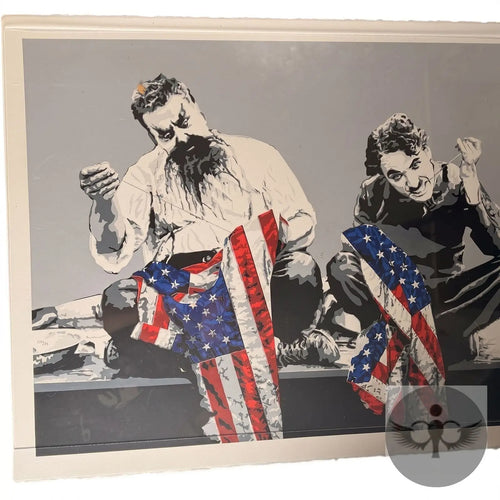
Mr. Brainwash 2018 "Recovery Plan" Signed Screenprint of Chaplin with USA Flag
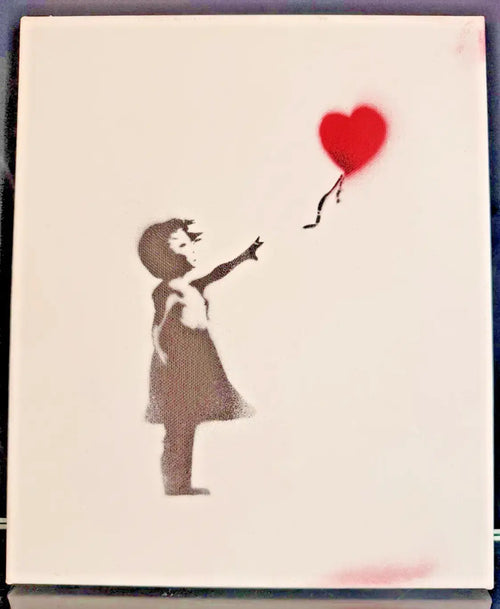
Banksy Girl with Balloon Dismaland 2/12 Signed Stencil Canvas 2015 Ticket
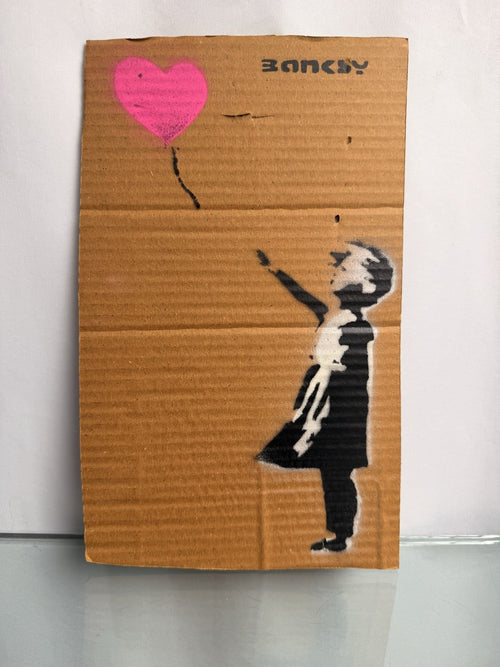
WMMS Signed Original Stencil Spray Art on Cardboard Banksy Dismaland Style 3/3
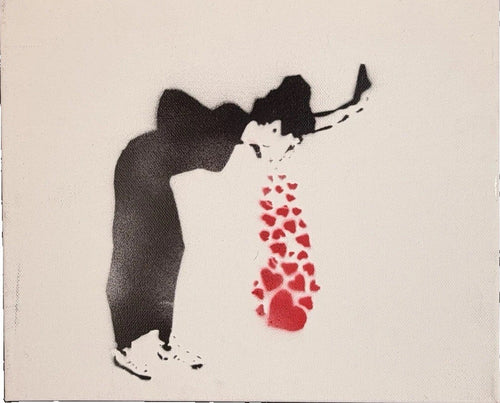
Banksy Dismaland Achieve Greatness 1/10 Signed Stencil Canvas 2015 Ticket
Be first when new Banksy pieces drop
You're on the list ✓ — first look at every new Banksy arrival.
Shop Banksy & Dismaland
Explore current pieces available from the gallery.

Browse the collection for current listings.