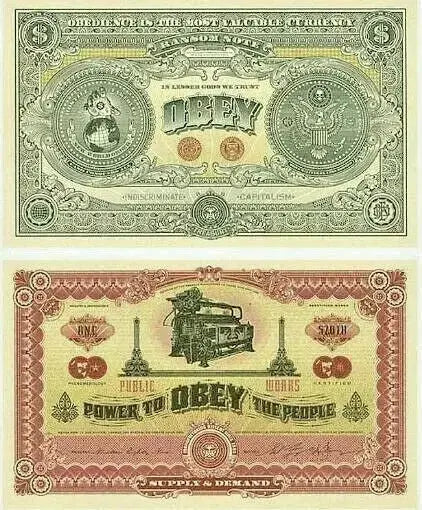
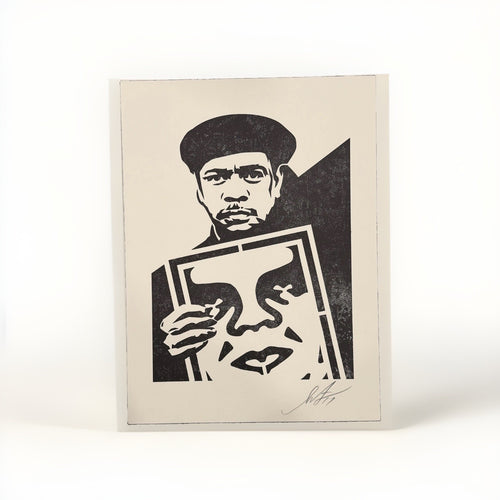
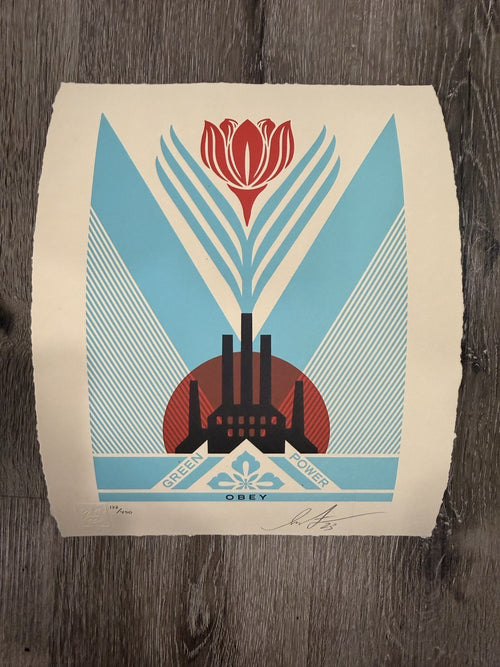
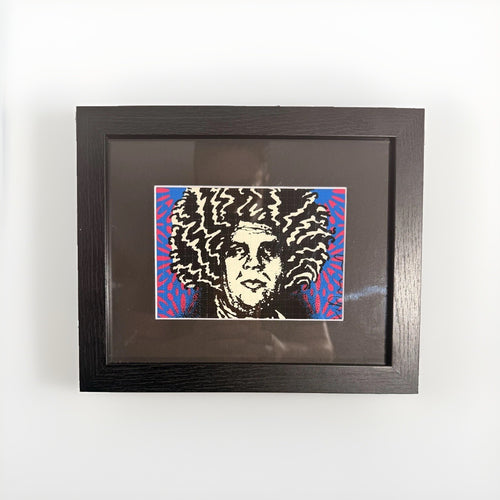
Yes — pre-2010 Shepard Fairey prints are substantially more valuable than contemporary editions, and the gap is widening. Early works printed in runs of 100–300 now trade at $1,200–$6,000+, while a current 450-print signed edition retails for $350–$700. Fifteen years of natural attrition have permanently reduced the supply of early Fairey, and no new printing will ever restore it. Release era is the sixth valuation driver in the Fairey market — and for serious collectors, it may be the most consequential one.
Why Release Era Is a Structural Valuation Driver
Five factors drive Fairey print values across the board: subject, edition size, condition, provenance, and format. Release era is the sixth — and uniquely irreversible. Condition can be preserved. Provenance can be documented retroactively. But a 2005 edition of 200 cannot be replicated. Once those prints cycle through attrition — storage damage, dealer fires, lost estate inventory — the float shrinks and never recovers.
The pre-2010 scarcity dynamic is compounded by three structural facts:
- Edition sizes were smaller: Before 2008's HOPE campaign brought Fairey global institutional attention, typical print runs were 100–300. Post-2008, editions standardized at 450–700. This means pre-2010 prints are rarer at issue, before any attrition is applied.
- The HOPE inflection reset every price floor: The original HOPE collage sold at Heritage Auctions for $735,000 in 2022 and again at Santa Monica Auctions for $950,000 in 2023 — a new Fairey auction record. Each record sale lifts comp values across the entire catalog, including early prints that predated HOPE.
- Institutional placement validates the era: MoMA, the Smithsonian National Portrait Gallery, LACMA, the V&A, and the Boston ICA all hold Fairey works. This institutional floor means collectors buying pre-2010 prints are operating within a system that has peer validation from the world's most credible collecting institutions.
Pre-2010 vs. Contemporary: A Price Comparison
Gauntlet Gallery's 160,000+ comparable sales database shows a consistent and substantial gap between pre-2010 and contemporary Fairey editions of comparable format. The table below illustrates active market pricing across matched subjects and formats.
| Subject / Series | Release Year | Edition Size | Format | Current Market Range |
|---|---|---|---|---|
| HOPE (signed screen print) | 2008 | 350 | 24x36, S/N | $2,500–$5,000 |
| Andre the Giant Has a Posse | 2001–2006 | 100–200 | 18x24, S/N | $1,800–$4,500 |
| Make Art Not War | 2004–2008 | 200–300 | 18x24, S/N | $1,200–$3,200 |
| OBEY Giant face (classic) | 2003–2009 | 150–300 | 18x24, S/N | $900–$2,100 |
| Contemporary OBEY face (matched format) | 2020–2024 | 450–550 | 18x24, S/N | $350–$700 |
| Contemporary political icon series | 2022–2024 | 450 | 18x24, S/N | $400–$750 |
Sources: Gauntlet Gallery comp database, Heritage Auctions, Invaluable. Ranges reflect signed/numbered editions in condition grade 8+.
How to Identify Vintage Fairey Stock
The forgery rate for Shepard Fairey prints is approximately 30% of online listings — and pre-2010 works are the highest-risk category precisely because they command the highest premiums. Knowing what genuine vintage stock looks like is non-negotiable before any acquisition.
Publisher Stamps and Edition Markings
Pre-2010 prints were published under Obey Giant Art or Studio Number One. The publisher label "Obey Giant Supply Co." indicates a post-2010 edition. This is the fastest single check a collector can make, and it immediately flags anachronistic attribution in many forgeries.
Hand-Numbering in Pencil
Authentic pre-2010 editions were hand-numbered in graphite pencil. Printed or inkjet-stamped numbering is a red flag for reproductions. The numbering fraction (e.g., "47/200") should show slight variation in pencil pressure across a genuine edition run — consistent mechanical uniformity suggests a reproduction.
Paper Stock and Weight
Early Fairey prints frequently used Stonehenge or BFK Rives papers — lighter archival stocks with a distinctive tooth. Post-2012 editions shifted to heavier, smoother archival stocks. If a claimed 2006 print presents on paper that matches contemporary production stock, that inconsistency warrants closer examination.
Archive Verification
The Obey Giant catalog has been substantially documented. A specialist gallery with catalog access can cross-reference edition specifications — paper, ink colors, printer, release date, total quantity — against the print in question. This archive match is the definitive authentication step for pre-2010 acquisitions above $1,000.
What Makes Pre-2010 Investment-Grade (vs. Just Old)
Age alone does not create investment-grade status. A pre-2010 print that lacks cultural weight, carries condition damage, or cannot be verified against the catalog is not an investment — it is a collectible with provenance risk. Investment-grade pre-2010 Fairey combines four specific characteristics:
1. Edition Size Under 300
The most liquid pre-2010 prints ran in editions of 100–300. This is the sweet spot: rare enough to drive scarcity premiums, common enough to have an active resale market with reliable comp data. Editions above 450 from this era are less common than post-2008 works but do not command the same scarcity multiplier.
2. Culturally Significant Subject
Political icons (HOPE, RBG, MLK, Mandela, Lennon) and core OBEY Giant iconography outperform generic decorative subjects by 3–5x in recent comp windows. A pre-2010 print of a culturally significant subject combines era scarcity with subject premium — the most powerful pairing in the Fairey market.
3. Condition Grade 8 or Higher
Condition damage — foxing, margin tears, fading, handling creases — can eliminate 40–60% of a pre-2010 premium immediately. Investment-grade pre-2010 pieces have been stored flat, away from UV light, ideally in original packaging. Paper condition is especially important because pre-2010 lighter stocks are more vulnerable to humidity damage than contemporary archival paper.
4. Documented Provenance
A clean chain — original receipt, gallery certificate, estate documentation — adds 20–35% to a pre-2010 print's realized price versus an equivalent piece with no documentation. For works above $2,000, provenance is expected by institutional buyers and major auction platforms. Undocumented works above $1,500 face meaningful buyer skepticism.
The Collector's Pre-2010 Acquisition Checklist
| Check | What to Verify | Pass / Flag |
|---|---|---|
| Publisher label | Obey Giant Art or Studio Number One (not Obey Giant Supply Co.) | Pass = pre-2010 publisher |
| Numbering method | Hand-penciled fraction with natural variation in pressure | Flag = printed / inkjet numbering |
| Paper stock | Lighter Stonehenge / BFK Rives texture consistent with stated date | Flag = heavy smooth contemporary stock on claimed pre-2010 |
| Edition size | Under 300 for maximum scarcity premium | Flag = 450+ on a pre-2010 claim (rare but verify) |
| Condition | Grade 8+ — no foxing, tears, fading, or handling creases | Flag = any visible condition damage above minor corner wear |
| Provenance | Original receipt, gallery COA, or estate documentation | Flag = no documentation on work above $1,000 |
| Archive match | Catalog verification of edition specs (paper, ink, printer, quantity) | Required for acquisitions above $1,500 |
Building a Pre-2010 Fairey Position
Gauntlet Gallery was founded in 2012 — early enough in the post-HOPE market to track the entire institutional maturation of Fairey's catalog. The pattern we have observed consistently over 14 years: pre-2010 pieces that enter the market in condition grade 8+ with clean provenance do not stay available long. The float is structurally shrinking, institutional interest continues to grow, and every new auction record tightens the floor.
For collectors building a position, the priority order is: subject first (political-icon or core OBEY iconography), then edition size (under 300), then condition (8+), then provenance documentation. A 2006 HOPE-era political subject in edition of 200, condition 9, with original receipt is the highest-confidence pre-2010 acquisition profile. A pre-2010 generic OBEY print in edition of 400, condition 7, with no documentation is a collectible — not an investment.
For deeper context on authentication standards, edition tiers, and the full Fairey market structure, see the Shepard Fairey Collector Guide — Gauntlet Gallery's comprehensive reference for collectors at every level.
Browse Gauntlet Gallery's authenticated Shepard Fairey inventory — pre-2010 editions, signed screen prints, and HPM works, each verified against catalog records and priced against current comp data.