Your First BE@RBRICK: The 100% vs 400% Question Nobody Answers Honestly

You've decided to buy a BE@RBRICK. Good instinct.
Now you're staring at two sizes and a price gap that doesn't make intuitive sense. The 100% sits in your hand. The 400% sits on a shelf. Both are collectible. Both have secondary market value. Both are made by Medicom Toy.
So why does one cost three to ten times more, and which one actually belongs in your first buy?
The answer depends on what you're actually trying to do: display, invest, flip, or collect with intention. And the honest answer isn't "buy the bigger one because it looks better." That's dealer talk. This is something different.
Let's break it down properly.
What the Size Numbers Actually Mean
Medicom Toy uses a percentage-based sizing system where 100% equals approximately 70mm tall. That's the base unit. Everything scales from there.
- 100% = roughly 70mm (about 2.75 inches)
- 400% = roughly 280mm (about 11 inches)
- 1000% = roughly 700mm (about 27.5 inches)
The 100% is pocket-sized. The 400% is desk or shelf presence. Compare the same BE@RBRICK release, size and collaboration using dated completed sales, including packaging, condition and provenance. A format-wide growth rate does not value an individual figure.
For a first purchase, the conversation almost always comes down to 100% versus 400%. The 1000% is its own category — a different financial and spatial commitment that most collectors arrive at after establishing a foundation, not before.
Both sizes use the same articulated bear design: rotating head, moveable arms, split leg joints. The 100% has less articulation resolution at that scale, but the design DNA is identical. Same licensing partnerships. Same Medicom quality control. Same collectible universe.
Size is not a proxy for quality. That's the first thing to internalize.
The 100%: Small Format, Serious Collector Play

Why Collectors Take the 100% Seriously
The 100% gets dismissed by newcomers who assume smaller means lesser. That's a mistake.
Within dedicated BE@RBRICK collecting, certain 100% releases — particularly blind box series, limited artist collaborations, and charity editions — carry genuine secondary market weight. The blind box mechanic alone drives a significant resale ecosystem. When Medicom releases a series with a low-ratio "secret" figure embedded in the assortment, that 100% can command multiples of its retail price on the secondary market.
The 100% is also the natural entry point for artists and brands whose full partnership with Medicom exists primarily at that scale. Some licensing deals produce 100% exclusives that never see a 400% counterpart. Dismissing the format means missing those entirely.
Where the 100% Works Best
- Display density: If you're building a collection, 100% figures allow you to assemble a meaningful visual grouping without consuming an entire room. A well-curated shelf of 100% figures from a single artist's collaboration series tells a real story in compact form.
- Budget entry: Retail pricing on standard 100% releases is accessible. You can buy your first figure, learn the authentication process, and understand the market before committing larger capital.
- Blind box series education: The BE@RBRICK series blind boxes (Series 1 through the current run) are almost exclusively 100% format. Understanding how those series work — the ratio mechanics, the secret figure dynamics, the resale patterns — is foundational knowledge for any serious collector.
- Portability: Sounds trivial until you're transporting pieces, lending to exhibitions, or moving. The 100% travels without logistical drama.
The Honest Limitation
Standalone display impact is limited. One 100% on a shelf reads as small. Context and curation matter enormously at this scale. If you want a single centerpiece piece that commands visual attention on its own merits, the 100% will disappoint you.
Are you collecting a body of work, or are you placing a statement?
That question determines whether 100% is right for your first buy.
The 400%: The Format That Built the BE@RBRICK Market
Why the 400% Is the Commercial Flagship
When most people picture a BE@RBRICK, they're picturing the 400%. This is the format that carries the major artist collaborations, the flagship brand partnerships, the gallery-positioned releases. KAWS, Futura, A Bathing Ape, fragment design, Off-White, Hajime Sorayama — the defining collaborations in BE@RBRICK history are anchored at 400% (often paired with a 1000% in a set, but the 400% is the accessible entry into those partnerships).
At approximately 11 inches tall, the 400% has genuine shelf presence as a standalone object. It functions as sculpture. It bridges the gap between toy and art object in a way that the 100% requires numbers to achieve.
The secondary market for 400% is also significantly deeper and more liquid. More buyers, more sellers, more price history, more comparables. That liquidity matters if you ever want to exit a position or trade up.
The 400% Investment Logic (With Caveats)
Let's be direct about something the market often obscures: not all 400% figures appreciate. The appreciation narrative is real but selective.
The figures that move on the secondary market share common characteristics:
- Artist or brand collaboration with demonstrated cultural weight: The partner matters. A licensing deal with a brand that has no street credibility or collector base produces a figure with limited secondary demand regardless of size.
- Controlled supply: Limited edition releases, exclusive drops, regional restrictions. The scarcity has to be real, not just marketed.
- Condition and completeness: Original box, original packaging inserts, the Medicom hologram sticker intact. More on this in the authentication section below.
- Provenance chain: Where did it come from? A confirmed Medicom retail drop, an authorized reseller, a reputable secondary market source with documentation.
They hold value reasonably well but aren't investment vehicles. If you're buying with appreciation in mind, you need to do the same homework on the 400% that you'd do on any other collectible asset.
The Honest Limitation
Price. A first buy at 400% commits more capital, and if you buy wrong — wrong artist, wrong condition, wrong provenance — the loss stings more. There's also a learning curve to authentication at this tier that you should understand before spending at the high end of the market.
Can you afford to learn an expensive lesson at 400% scale, or does it make more sense to learn it at 100%?
Authentication: This Is Where First Buyers Get Hurt

BE@RBRICK counterfeiting is a real, organized problem. It expanded significantly as the secondary market grew and major collaborations started commanding serious premiums. Counterfeit figures have become sophisticated enough that surface inspection alone is insufficient for high-value pieces.
Here's the authentication framework as it actually works:
The Physical Verification Chain
Medicom releases rely on a physical verification chain:
- Original packaging, intact: Factory-sealed boxes, Medicom polybag, original hang tags where applicable. Any sign of resealing is a serious concern.
- Hologram sticker: Medicom applied holographic authenticity stickers to packaging for many releases. These are not impossible to fake, but their presence and quality matter. A missing hologram on a release known to carry one is a red flag.
- Medicom release record: Cross-reference against documented Medicom production records, catalog numbers, known collaboration details. Release dates, edition sizes, and packaging specifications are documented across collector communities and dealer records.
- Physical construction quality: Counterfeit figures often show inconsistencies in joint tolerance, paint application, and logo registration. These details require hands-on inspection and comparison experience.
Matching the Figure to Its Release Record
Beyond physical inspection, the authentication framework rests on matching the figure to its documented release. The hologram sticker, molded copyright markings, and packaging should all agree with the release records for that specific figure.
The critical point: a certificate without a figure that matches its documented release is not authentication. The match is the authentication. If a seller presents paperwork but the figure's markings, packaging, or specifications don't line up with the documented release, you have a problem.
PSA has issued formal warnings about relying solely on certification for BE@RBRICK and similar collectibles without verifying the underlying chain of custody. A certification label does not transfer automatically to a figure that has been swapped, rehoused, or fraudulently paired with a different certificate. Verify the pairing, not just the paper.
Third-Party Authentication Services
For high-value secondary market purchases, BAS (Beckett Authentication Services), JSA, and PSA/DNA are the three-tier standard across collectibles. For BE@RBRICK specifically, specialist knowledge matters because standard authentication processes designed for autographed memorabilia don't map cleanly onto manufactured limited editions.
When using third-party services for BE@RBRICK, the value is primarily in the documentation of provenance and chain of custody, not in the service's independent ability to authenticate Medicom production. Pair third-party documentation with the Medicom release record and physical authentication checks described above.
Do not conflate a generic PSA or BAS holder with Medicom-specific authentication. They serve different functions in the chain.
The 100% vs 400% Comparison: Side by Side
| Factor | 100% | 400% |
|---|---|---|
| Height | ~70mm / 2.75 in | ~280mm / 11 in |
| Standalone display impact | Low (works in groups) | High (works alone) |
| Retail price range | Lower (single to low double figures for standard releases) | Higher (significant premium for major collabs) |
| Secondary market liquidity | Moderate (high for secrets and limited series) | High for major collabs, moderate for standard |
| Authentication complexity | Lower (less counterfeiting pressure at this scale) | Higher (active counterfeit market for premium releases) |
| Blind box mechanic | Yes (BE@RBRICK Series) | No |
| Major artist collabs | Some, but limited | Dominant format for flagship collabs |
| Transport / storage | Easy | Requires more care |
| Learning curve capital risk | Lower | Higher |
What Type of First Buyer Are You?

This isn't a personality quiz. It's a practical framework for making the right call with your money.
Buy the 100% First If:
- You're drawn to the blind box mechanic and want to understand how the series ecosystem works before spending more.
- You're building toward a thematically coherent collection and want to establish visual groupings across multiple figures.
- Your budget is limited and you want to learn the authentication process without significant downside exposure.
- You're primarily interested in a specific artist or brand whose collaboration exists meaningfully at 100% scale.
- You're buying for a display environment where multiple pieces work together — a dedicated shelf, vitrine, or collector's room.
Buy the 400% First If:
- You have a specific collaboration in mind — you know the artist, you know the release, and you've done the secondary market homework.
- You want a single, meaningful display piece that stands on its own without requiring supporting figures.
- You're approaching this as a calculated asset play on a specific release with documented scarcity and demonstrated market demand.
- You're comfortable with the authentication complexity and have either the knowledge or the access to a trusted dealer who can verify properly.
- You're buying for an office, gallery, or living space where one strong object reads better than a grouping of smaller ones.
The Case for Buying Both
This sounds like upsell advice. It isn't.
Some of the most thoughtful collectors in this market run a dual-format strategy from the start: one carefully selected 400% as the anchor piece (bought for display and potential long-term hold), plus entry into a current blind box series at 100% to actively learn the market mechanics in real time.
The 100% investment is low. The education is high. The 400% gives you immediate skin in the game at the tier where the serious secondary market lives.
If the budget supports it, this combination gives you hands-on experience across both formats simultaneously. You learn faster. You make fewer expensive mistakes.
How to Actually Buy Your First BE@RBRICK
Authorized Sources First
Medicom Toy operates through an authorized dealer and retail partner network. Buying from authorized sources on new releases is the cleanest way to enter the market. You get factory-sealed product, full packaging, and no provenance questions.
The complication is that many desirable releases — particularly limited collabs — are either region-specific, sell out at retail, or are available through exclusive drops that require access most first buyers don't have yet. This pushes many first purchases into the secondary market, which is where authentication knowledge becomes essential.
Secondary Market Navigation
The secondary market for BE@RBRICK is active and global. Major platforms, specialist resellers, auction houses, and collector communities all participate. Prices vary. Condition varies. Authenticity varies.
For your first secondary market purchase:
- Request full documentation: Original packaging, all inserts, hologram sticker photos.
- Cross-reference against release records: Confirm the figure matches the documented production specifications for that release.
- Understand return policy: Reputable sellers at this tier stand behind their product. If a seller resists or hedges on returns for authenticity issues, walk away.
- Buy from known entities: Established dealers with documented track records in this specific market. Not general marketplace listings from anonymous accounts.
- Price check across multiple sources: If a price is significantly below comparable listings, that's information. Understand why before proceeding.
Red Flags
These apply across both formats. Learn them before you spend.
- Broken factory seal presented as "opened for photography." There is no legitimate reason to break a factory seal for photography on a collectible that derives value from its sealed condition. This is a resealing tell.
- Missing or damaged Medicom hologram on a release known to carry one. The hologram doesn't make a figure authentic on its own, but its absence on a release that should have it is a hard stop.
- A certificate presented without a figure that matches its documented release. As noted above: the match is the authentication. Certificate alone is not sufficient.
- Price significantly below secondary market comparables without a documented explanation. Stolen, counterfeit, or misrepresented condition are the explanations that matter here.
- Provenance described vaguely as "acquired from Japan" or "from a private collection" without documentation. Provenance is a chain of custody, not a geography.
- Paint inconsistencies, loose joint tolerance, logo registration errors. Physical examination tells you things certificates don't. If you can't inspect in person, require high-resolution photos of joints, base markings, and packaging details.
- Seller resistance to specific authentication questions. A seller who gets defensive about packaging details or release record cross-referencing is telling you something.
- Generic third-party certification presented as Medicom-specific authentication. PSA or BAS documentation on a BE@RBRICK documents the transaction record. It does not replace Medicom release verification and physical authentication.
Bottom Line
The 100% vs 400% question doesn't have a single right answer. It has a right answer for you, based on your budget, your intent, and your willingness to do the authentication work properly.
If you're buying your first BE@RBRICK as a display piece and you have a specific collaboration in mind that you've researched, the 400% is the format that delivers standalone visual impact and secondary market depth. Buy it right or don't buy it.
If you're entering the market to learn it — to understand the series mechanics, the blind box ecosystem, the authentication process, the resale patterns — start at 100%. The capital risk is lower. The education is real. And the 100% figures you acquire along the way can become the foundation of a collection that compounds in both value and meaning over time.
Either path works. Both require you to understand what you're buying, where it came from, and how to verify it.
The collectors who get hurt in this market aren't the ones who bought the wrong size. They're the ones who bought without knowing.
Don't be that buyer.
FAQ: BE@RBRICK First Buy
Q: Is the 400% always worth more than the 100% on the secondary market?
Not automatically. A 400% from a brand collaboration with weak collector demand can trade at a lower premium than a rare 100% "secret" figure from a high-demand BE@RBRICK series. Size determines format, not value. Value comes from scarcity, cultural relevance, condition, and market demand for that specific release. Research the specific figure, not just the size.
Q: What is the BE@RBRICK series blind box system and why does it matter?
Medicom releases ongoing numbered series (Series 1, Series 2, etc.) in blind box format at 100% scale. Each series contains multiple figure variants distributed at different ratios — some common, some rare, some secret figures present at very low ratios. You don't know which figure is inside until you open it. The secret figures in particular drive a significant resale premium. Understanding this system is foundational to the 100% market and explains why individual 100% figures can carry serious secondary market value.
Q: Do I need to keep a BE@RBRICK in its original box to preserve value?
For figures you're holding as assets or plan to resell, yes. Original factory-sealed packaging is part of the condition grade and directly impacts secondary market value. For figures you're buying purely to display, opened is a legitimate choice — but understand the tradeoff. Once the seal is broken, you're in the opened-condition tier, which trades at a discount to sealed. Make that decision consciously before you buy.
Q: How does BE@RBRICK authentication actually work?
Authentication relies on original packaging, hologram stickers, Medicom release records, and physical inspection. The hologram, molded markings, and packaging must all agree with the documented release for that specific figure. Paperwork that doesn't match the figure is not verified authentication — it may represent a mismatch, a swap, or a fraudulent pairing. Always verify the figure against its release record, not just a certificate document.
Q: Are there BE@RBRICK releases I should avoid as a first buy?
Yes. Avoid releases where you cannot verify the full provenance chain. Avoid high-value figures where the seller cannot produce original packaging and documentation. Avoid anything priced significantly below secondary market comparables without a clear explanation. As a first buyer, stick to releases with well-documented histories and sellers with verifiable track records in this specific market. The interesting corners of the market — the deep archive pieces, the regional exclusives, the rare variants — are worth exploring after you have the authentication knowledge to navigate them safely.
Q: What's the difference between a BE@RBRICK collaboration and a standard release?
Standard releases are produced by Medicom without a formal third-party licensing partnership — they may carry Medicom-original designs or seasonal themes. Collaboration releases involve formal licensing agreements with artists, brands, musicians, or properties. KAWS, Futura, fragment design, Off-White are examples of collaboration partners. Collaboration releases typically carry higher secondary market premiums due to the cultural weight of the partner and the controlled production tied to the specific partnership. Not all collaborations are equal — partner relevance, edition size, and distribution method all affect secondary market performance.
Q: Is the 1000% worth considering as a first buy?
In almost all cases, no. The 1000% is a different asset class in terms of capital commitment, storage, display requirements, and market liquidity. It requires dedicated space, careful transport, and a level of authentication sophistication that rewards experience in the market. The 1000% makes sense as a considered purchase after you understand the 400% tier properly. The exception might be a specific 1000% release tied to a partnership you have deep knowledge about and access to buy at or near retail — but even then, this is not a first-buy recommendation for most collectors.
Q: Can I trust general online marketplaces for BE@RBRICK purchases?
With significant caution. General marketplaces have active listing activity for BE@RBRICK, and legitimate figures do trade through them. But they also host counterfeit figures, misrepresented conditions, and resealed product. The platform's general buyer protections do not substitute for your own authentication due diligence. For a first purchase at meaningful price points, buying from established specialist dealers or auction houses with documented track records in this category reduces your risk substantially. Use general marketplaces once you have the knowledge to evaluate listings independently.
Shop BE@RBRICK
Explore current pieces available from the gallery.
-
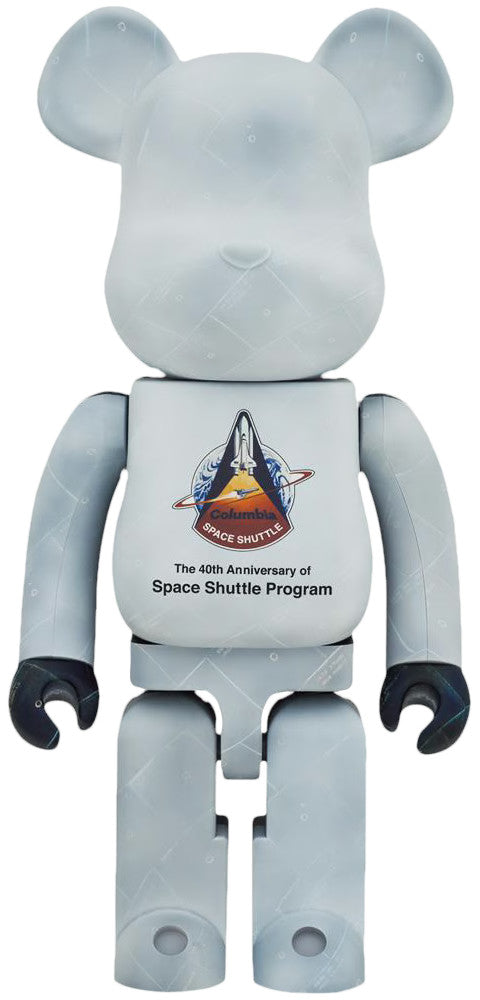
BE@RBRICK NASA Space Shuttle 40th Anniversary 1000% Medicom Toy Bearbrick
$600.00 USD
-
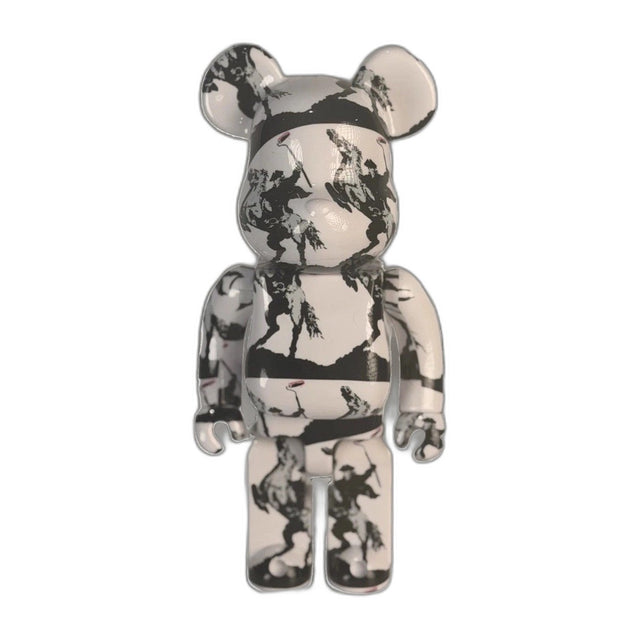
BE@RBRICK Brandalism Sync Banksy Medicom Toy Art Figure du-al.io Authenticated
$199.00 USD
-
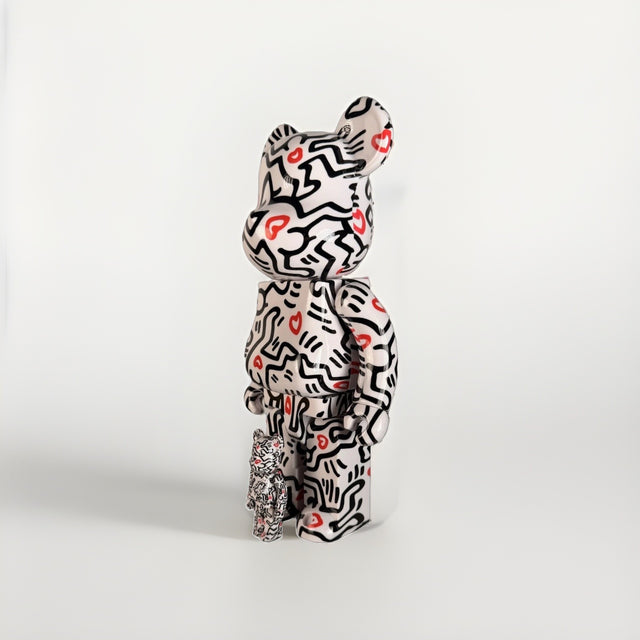
BE@RBRICK Keith Haring 400% + 100% Set Medicom Toy Bearbrick Foundation Art New
$199.00 USD
-
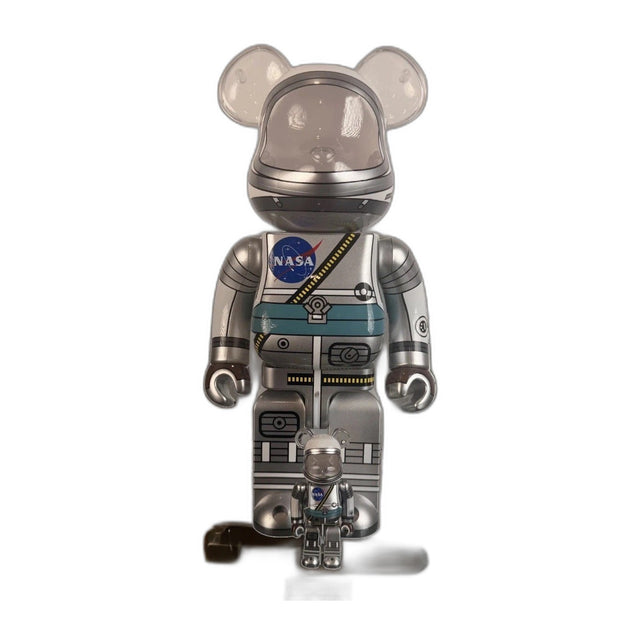
Bearbrick BE@RBRICK Mercury Astronaut 400% 100% Set NASA Medicom Toy Sealed New
$225.00 USD
-
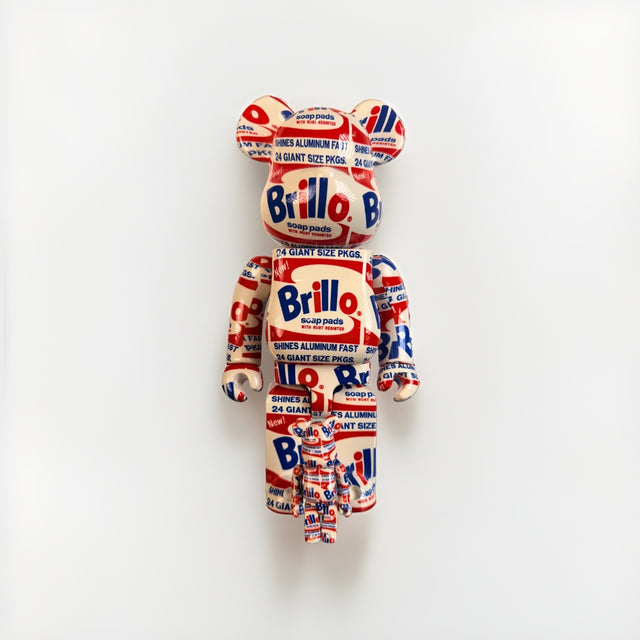
Bearbrick BE@RBRICK Andy Warhol Brillo 400% 100% Set Original 2020 Medicom New
$275.00 USD
Browse the collection for current listings.