
Transparency Standards
Market Data & Collector Content Policy
Gauntlet Gallery uses market data to price, contextualize, and present every listing. This page explains where that data comes from, what it means, and what it doesn't.
Why We Publish Market Context
Collectibles markets are opaque. The same print can trade at three different prices on eBay, a specialty platform, and through a gallery — on the same day. Buyers who do not research comparables are systematically disadvantaged. Gauntlet's view is that informed buyers make better decisions, come back more often, and trust the seller more over time.
We publish market context not to justify our prices but to help buyers evaluate them. If our comparable data suggests a work is priced above recent sales, we will say so and explain why we believe the item commands a premium. If the comparable range is wide, we will show the full range rather than cherry-picking favorable examples.
Data Sources We Use
The most liquid public market for secondary collectibles. We reference completed sales — not active listings — filtered by comparable edition, condition, and documentation level. eBay data is the baseline reference for mass-market prints, open-edition figures, and signed music memorabilia.
For higher-value works — Shepard Fairey HPM/AP editions, KAWS originals, signed astronaut artifacts — we reference specialty auction results from houses that document sales publicly. Auction hammer prices exclude buyer's premiums unless stated.
Where secondary marketplaces publish asking prices for comparable works, we note these as reference points. Asking prices are not sales. We distinguish between what items are priced at and what they have actually sold for.
Where Gauntlet has previously sold a comparable item, our internal history informs our pricing. We do not publish our own sales data publicly, but it is factored into how we set prices.
Limitations of the Data
Market data in collectibles has real limits. Conditions vary between comparable sales. Documentation levels differ. Buyer populations on different platforms are not the same. A print that sells for $400 on eBay may sell for $800 through a gallery to a buyer who values the presentation and provenance context.
We present data ranges rather than single figures where the evidence supports a range. We note the time period of comparable sales — the market moves, and a 2021 sale may not reflect 2025 conditions. For artists with thin sales histories, we say so explicitly rather than extrapolating from limited data.
AI-Assisted Collector Content
Some Gauntlet product descriptions, artist context notes, and market summaries are drafted with AI assistance. We use AI tools to organize research, draft initial copy, and synthesize comparables — but all published content is reviewed and edited by a human before it goes live. We do not publish AI output verbatim.
Where factual claims appear in descriptions (edition sizes, release years, authentication notes), these are verified against primary sources before publication. If you find an error, contact us at info@gauntlet.gallery and we will correct it.
What We Do Not Do
We do not cherry-pick high outlier sales to justify pricing. We show ranges, not peaks.
We do not claim authentication authority we do not have. We describe what documentation exists, not what we have verified independently.
We do not publish sales projections. Market context is descriptive, not predictive.
We do not use collector content — photographs, reviews, social posts — without permission. All third-party content on our site is used with permission or is in the public domain.
Questions & Corrections
If you believe a market reference in one of our listings is inaccurate, misleading, or outdated — contact us. We will review the reference and either correct it, add clarifying context, or explain our reasoning.
Email: info@gauntlet.gallery
Available at Gauntlet Gallery
Explore current pieces available from the gallery.
-

1963 Farquhar Earth in Space Transparent Celestial Globe 16" Compass VTG
$699.00 USD
-

1967 Beatles Richard Avedon STERN Original Posters Set of 4 Linen Backed Copy
$999.00 USD
-
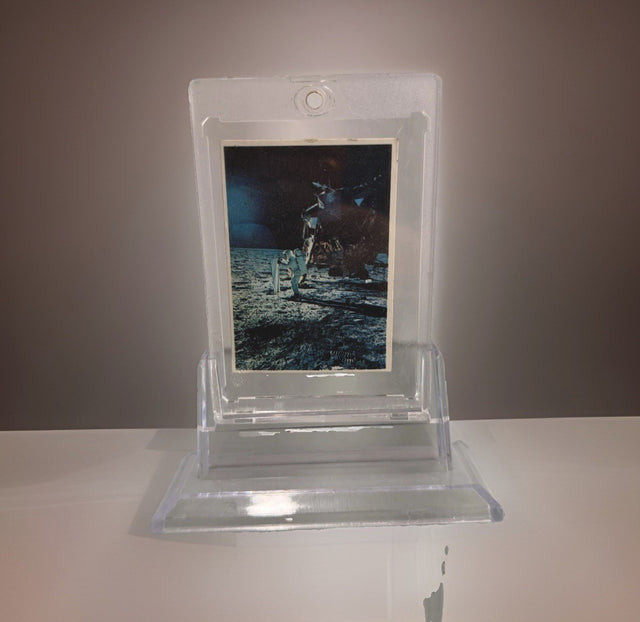
1969 Space Candy Buzz Aldrin Apollo 11 On The Moon Card #19 Taylor-Reed Display
$59.00 USD
-

1980 Polo Player Green Pink Chalk Pastel Bears Andy Warhol Signature AS-IS
$399.00 USD
-

After Andy Warhol Moon Landing Line Drawing 5/50 w/ Astronaut Autographs As-Is
$175.00 USD
-

After John Lennon "I Do" Framed Print, Marked A/P Unverified
$99.00 USD
-

After Roy Lichtenstein I Love Liberty Framed Pop Art Print
$75.00 USD
-

Alice in Wonderland DNYC –$1 Dollar Bills Signed & Numbered Rare
$90.00 USD
-

Alkaline Trio Signed Acoustic Guitar Pickguard Autograph PSA/DNA AN21501
$100.00 USD
-

Andy Warhol The Beatles 1980 Vintage Poster Framed Pop Art Times Books Stokes
$349.00 USD
-

Angels & Airwaves — “Valkyrie Missile: A Brighter Tomorrow”
$89.00 USD
-
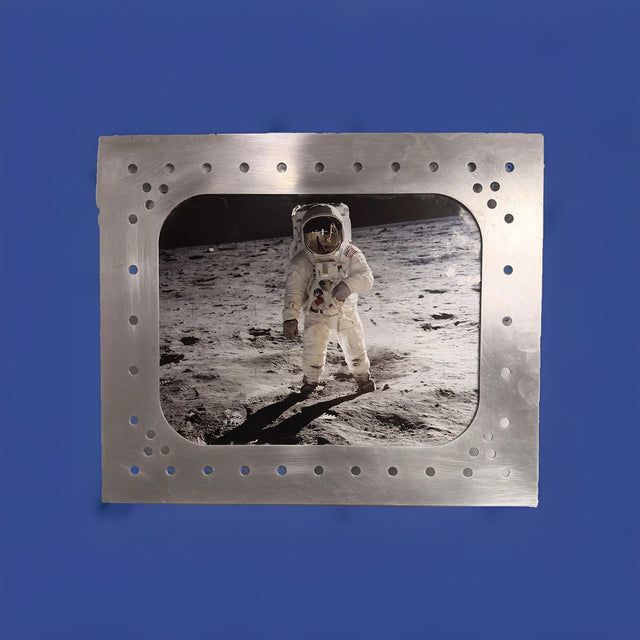
Apollo 11 Astronaut on the Moon NASA Photo Riveted Aluminum Spacecraft Frame
$89.00 USD


Browse the collection for current listings.