

Gauntlet Gallery — Banksy Prints
Barcode (Artist Proof)
Work Summary & Collector Notes
Barcode depicts a black-painted leopard prowling forward after breaking out of a UPC barcode rendered as a wheeled circus cage, the bars at left bent open where the animal escaped and the product number "31454 31762" printed beneath. One of Banksy's sharpest single-image metaphors, it equates commerce and branding with captivity, the wild animal as a product that has slipped its packaging.
Collector notes: Edition; saved release record states an edition size of 35. Edition-specific signature, numbering, and stamp details were not stated in the saved release record. Verify signing and numbering against a documented example of this edition.
Why It Matters
Barcode compresses Banksy's anti-consumerist argument into one legible image: the barcode, the universal mark of a commodity, becomes a literal cage on wheels, and the leopard that escapes it reads as nature, freedom, or the individual refusing to be priced and scanned. It belongs to the same early-2000s vein as his rats and "Trolley" works, where everyday symbols of capitalism are turned against themselves. The wit is in the doubling, the cage is the product code, so to be barcoded is to be imprisoned, and the escape carries an implied threat now that the predator is loose.
Collector Perspective
An Artist Proof from a main edition of only 35, making it one of the scarcer Banksy screen prints from this period on a quantity basis alone. APs typically sit outside the numbered run and are prized by collectors, often carrying a premium over standard impressions when signed. Buyers should confirm whether this example is signed or stamped and pencil-annotated as AP, and insist on documentation given the demand for early Banksy works; condition, margins, and provenance materially affect value. As an image, Barcode is well known and consistently sought, which supports resale, but the tiny edition means comparable sales are infrequent, so pricing leans on the broader Banksy market rather than a deep run of identical comps.
Historical Context
Produced in 2003 during Banksy's Stencil Boom era, when his fast stencil vocabulary and prints published through Pictures on Walls were carrying his street imagery into the gallery and collector market. The work sits squarely in his Capitalism and Consumerism theme, using the Universal Product Code, an everyday emblem of mass retail, as its target. It predates the spectacle stunts of later years and reflects the leaner, more graphic agitprop of his Bristol-rooted early-2000s output.
Documented Release Details
- Object type
- Editioned screenprint
- Release date
- 2003
- Release-date note
- Catalog-listed release year from the saved secondary record; primary release-page confirmation remains pending.
- Medium and materials
- Screen Print.
- Edition details
- Edition; saved release record states an edition size of 35.
- Signature and marks
- Edition-specific signature, numbering, and stamp details were not stated in the saved release record. Verify signing and numbering against a documented example of this edition.
Documented History and Meaning
History note: This page treats Banksy's broader career as background context, not proof that this specific edition belongs to any single exhibition or event. Release-level facts here come from a saved secondary catalog record.
Meaning / interpretation: Read as documented context rather than stated intent: Produced in 2003 during Banksy's Stencil Boom era, when his fast stencil vocabulary and prints published through Pictures on Walls were carrying his street imagery into the gallery and collector market. This is an interpretive reading of the release context, not a statement of the artist's intent for this specific work. This interpretive note follows the cited artist or publisher context.
Release context: The saved catalog lists 2003.
Authentication, Presentation and Provenance
- Original presentation
- Original packaging or presentation was not documented in the release sources reviewed.
- Authentication note
- Compare the support, dimensions, edition number, and signature against a documented example of this edition. Gauntlet Gallery does not authenticate works purchased from third parties.
- Provenance note
- Edition origin is attributed in the saved record to the release source named in the saved record. That does not establish the ownership history of an individual copy: retain the original invoice, reseller or gallery paperwork, labels, correspondence, and condition photographs.
Sources and Verification
Verification status: Secondary catalog snapshot; artist-level context added
- Banksy — Wikipedia · reference encyclopedia · Accessed 2026-07-13 · General artist-level biographical and career reference.
- Banksy (Q133600) — Wikidata · reference knowledge base · Accessed 2026-07-13 · Structured identifier used for the artist across catalog metadata.
FAQ
What does Barcode depict?
A black leopard prowling forward after escaping from a UPC barcode that has been drawn as a wheeled cage, with the product number 31454 31762 printed below. The bars are bent open where the animal broke free.
What is the edition size?
The main edition is 35. This particular impression is an Artist Proof, which generally sits outside the numbered run of 35 and is considered scarcer.
Is this an Artist Proof, and is it signed?
Yes, this is an Artist Proof (AP), typically annotated in pencil. Banksy prints exist in both signed and unsigned forms, so confirm the signature and annotation directly with the seller before purchase.
What medium and year is it?
It is a screen print from 2003.
Who is Banksy?
Banksy is an anonymous England-based street artist who emerged in Bristol in the early 1990s, known for fast stencil work, dark humour, and anti-capitalist and anti-establishment imagery, with many prints published via Pictures on Walls.
Related Banksy Works


Shop Banksy at Gauntlet Gallery
Live listings with authentication, provenance and documentation.
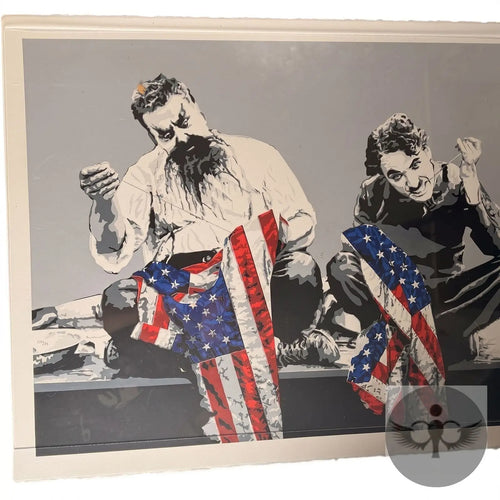
Mr. Brainwash 2018 "Recovery Plan" Signed Screenprint of Chaplin with USA Flag
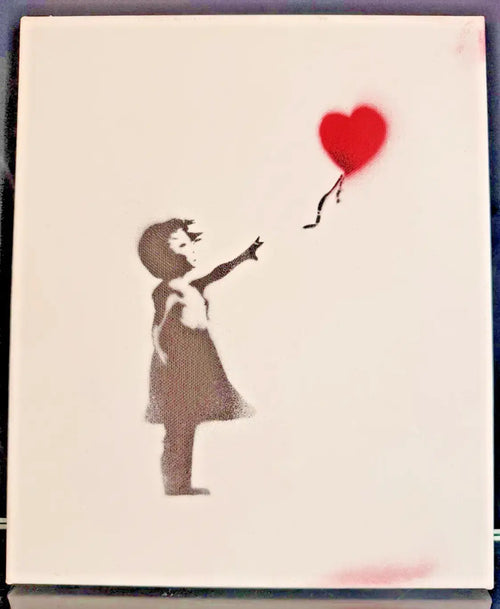
Banksy Girl with Balloon Dismaland 2/12 Signed Stencil Canvas 2015 Ticket
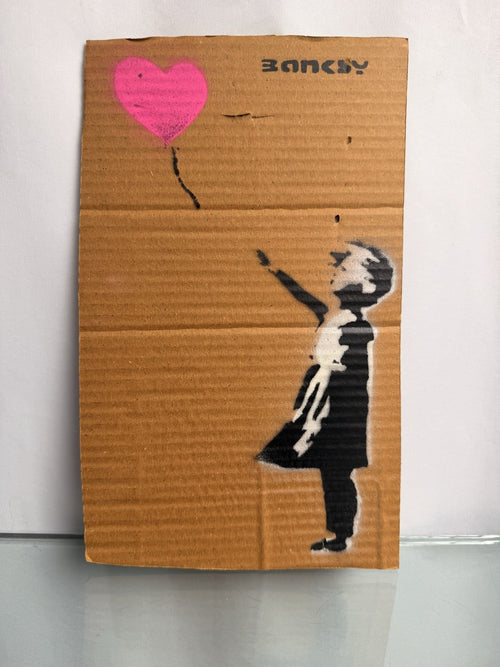
WMMS Signed Original Stencil Spray Art on Cardboard Banksy Dismaland Style 3/3
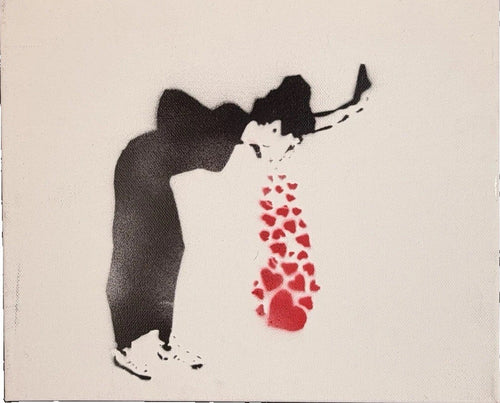
Banksy Dismaland Achieve Greatness 1/10 Signed Stencil Canvas 2015 Ticket
Be first when new Banksy pieces drop
You're on the list ✓ — first look at every new Banksy arrival.
Shop Banksy & Dismaland
Explore current pieces available from the gallery.

Browse the collection for current listings.