

Gauntlet Gallery — Retna Print Index
Un Dicho
Work Summary & Collector Notes
Un Dicho, 2009, is a three-color full-bleed screenprint in metallic black, metallic silver, and metallic red on Stonehenge 250gsm 100% cotton archival paper, measuring 22 x 30 inches in an edition of 50, signed and numbered. The all-metallic palette gives the lettering a reflective sheen.
Collector notes: The saved release record describes: Edition of 50. The saved release record describes: signed; numbered. Verify each feature against a documented example of this edition.
Why It Matters
Un Dicho's three-metallic-ink palette and full-bleed printing distinguish it visually from RETNA's standard-ink editions. Printed on Stonehenge cotton and signed and numbered in an edition of 50, it is a well-crafted early work. The full-bleed format lets the script run edge to edge across the sheet.
Collector Perspective
The metallic black, silver, and red inks make Un Dicho a visually striking yet accessible entry at an edition of 50. Full-bleed printing means margins are minimal, so collectors should assess edge condition carefully. Confirm the signature and number and inspect the metallic surface for handling marks.
Historical Context
Made in 2009, Un Dicho — Spanish for 'a saying' — continues RETNA's pattern of Spanish titles and text-driven composition. The metallic palette and full-bleed approach reflect the experimentation of his early editions before his work reached wider international markets.
Documented Release Details
- Object type
- Editioned screenprint
- Release date
- 2009
- Release-date note
- Catalog-listed release year from the saved secondary record; primary release-page confirmation remains pending.
- Medium and materials
- Screen Print; catalog dimensions 30 x 22 inches; 3 Color Full Bleed Screenprint; Metallic Black, Metallic silver and Metallic Red; Printed on Stonehenge 250gsm 100% cotton archival paper.
- Edition details
- The saved release record describes: Edition of 50.
- Signature and marks
- The saved release record describes: signed; numbered. Verify each feature against a documented example of this edition.
Documented History and Meaning
History note: This page treats Retna's broader career as background context, not proof that this specific edition belongs to any single exhibition or event. Release-level facts here come from a saved secondary catalog record.
Meaning / interpretation: Read as documented context rather than stated intent: Made in 2009, Un Dicho — Spanish for 'a saying' — continues RETNA's pattern of Spanish titles and text-driven composition. This is an interpretive reading of the release context, not a statement of the artist's intent for this specific work. This interpretive note follows the cited artist or publisher context.
Release context: The saved catalog lists 2009 and attributes the edition to Paperworks Laboratories.
Authentication, Presentation and Provenance
- Original presentation
- Original packaging or presentation was not documented in the release sources reviewed.
- Authentication note
- Compare the support, dimensions, edition number, and signature against a documented example of this edition. Gauntlet Gallery does not authenticate works purchased from third parties.
- Provenance note
- Edition origin is attributed in the saved record to Paperworks Laboratories. That does not establish the ownership history of an individual copy: retain the original invoice, reseller or gallery paperwork, labels, correspondence, and condition photographs.
Sources and Verification
Verification status: Secondary catalog snapshot; artist-level context added
- Saved release record — Art Collectorz · secondary catalog snapshot · Accessed 2026-07-13 · Starting record for title, year, edition, dimensions, medium, and release description. Primary confirmation against the original release page remains pending.
- Retna — Wikipedia · reference encyclopedia · Accessed 2026-07-13 · General artist-level biographical and career reference.
- RETNA (Q16218751) — Wikidata · reference knowledge base · Accessed 2026-07-13 · Structured identifier used for the artist across catalog metadata.
FAQ
What colors are used?
Three metallic inks: metallic black, metallic silver, and metallic red.
What does the title mean?
'Un Dicho' translates from Spanish as 'a saying.'
What is the edition size?
The edition is 50, signed and numbered.
What paper is it printed on?
Stonehenge 250gsm 100% cotton archival paper, printed full-bleed.
Related Retna Works


Available at Gauntlet Gallery
Explore current pieces available from the gallery.
-

1963 Farquhar Earth in Space Transparent Celestial Globe 16" Compass VTG
$699.00 USD
-

1967 Beatles Richard Avedon STERN Original Posters Set of 4 Linen Backed Copy
$999.00 USD
-
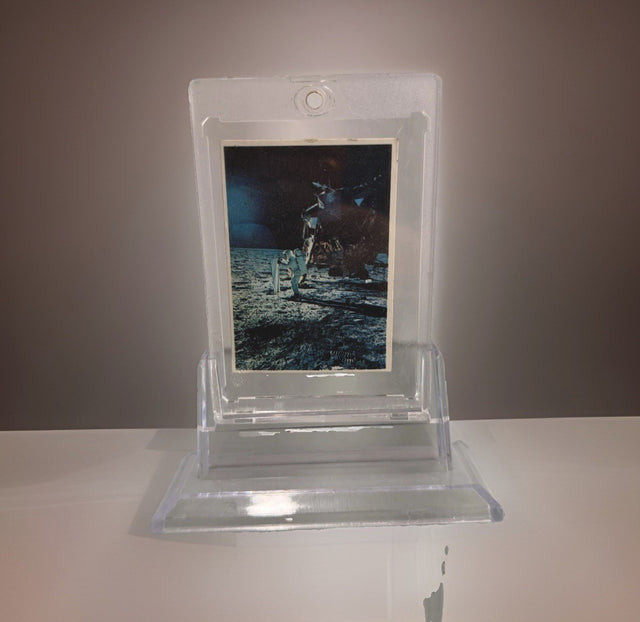
1969 Space Candy Buzz Aldrin Apollo 11 On The Moon Card #19 Taylor-Reed Display
$59.00 USD
-

1980 Polo Player Green Pink Chalk Pastel Bears Andy Warhol Signature AS-IS
$399.00 USD
-

After Andy Warhol Moon Landing Line Drawing 5/50 w/ Astronaut Autographs As-Is
$175.00 USD
-

After John Lennon "I Do" Framed Print, Marked A/P Unverified
$99.00 USD
-

After Roy Lichtenstein I Love Liberty Framed Pop Art Print
$75.00 USD
-

Alice in Wonderland DNYC –$1 Dollar Bills Signed & Numbered Rare
$90.00 USD
-

Alkaline Trio Signed Acoustic Guitar Pickguard Autograph PSA/DNA AN21501
$100.00 USD
-

Andy Warhol The Beatles 1980 Vintage Poster Framed Pop Art Times Books Stokes
$349.00 USD
-

Angels & Airwaves — “Valkyrie Missile: A Brighter Tomorrow”
$89.00 USD
-
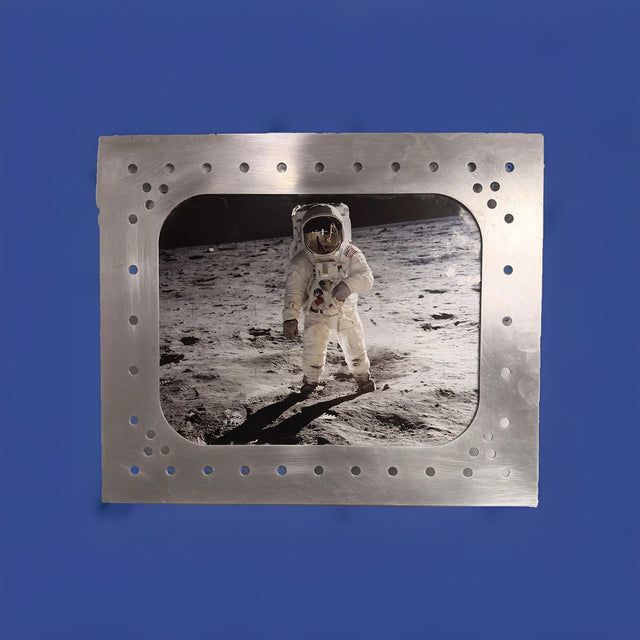
Apollo 11 Astronaut on the Moon NASA Photo Riveted Aluminum Spacecraft Frame
$89.00 USD


Browse the collection for current listings.