

Gauntlet Gallery — Retna Print Index
Blackstone
Work Summary & Collector Notes
Blackstone (2017) is a one-color stone lithograph printed on a Marinoni lithographic press and hand-cut, on BFK Rives 300 gsm. In an edition of 12 at 109 x 80 cm, signed and numbered by the artist, it presents his coded script in a single black tone at monumental scale.
Collector notes: The saved release record describes: Edition size: 12. The saved release record describes: signed; numbered. Verify each feature against a documented example of this edition.
Why It Matters
With just 12 impressions, Blackstone ranks among Retna's rarest large prints. The monochrome stone-lithograph treatment foregrounds the pure calligraphic structure of his alphabet, and the near-110 cm sheet gives that line a bold, architectural weight.
Collector Perspective
At 12 examples, this is a scarce, connoisseur-level acquisition. The stone matrix produces a rich, granular black; confirm signature, numbering, and print quality. As the black counterpart to Bluestone, it invites pairing, and a matched two-work set carries added appeal.
Historical Context
Marinoni-press stone lithography aligns Blackstone with the most traditional end of Retna's practice. Produced in 2017 alongside its blue sibling, it reflects his atelier period of treating his street-rooted script with the discipline of historical fine-art printmaking.
Documented Release Details
- Object type
- Editioned lithograph
- Release date
- 2017
- Release-date note
- Catalog-listed release year from the saved secondary record; primary release-page confirmation remains pending.
- Medium and materials
- Lithograph; catalog dimensions 109 x 80 cm; Paper BFK Rives 300 g; Lithograph on stone 1 color printed with Marinoni press lithographic and hand cut; With these two lithographs editions, Retna breaks the codes of his usual calligraphic style and takes us to a completely new universe, as we cannot find any of his signature specialized normally in lettering.
- Edition details
- The saved release record describes: Edition size: 12.
- Signature and marks
- The saved release record describes: signed; numbered. Verify each feature against a documented example of this edition.
Documented History and Meaning
History note: This page treats Retna's broader career as background context, not proof that this specific edition belongs to any single exhibition or event. Release-level facts here come from a saved secondary catalog record.
Meaning / interpretation: No per-work artist statement is recorded for this edition. Any thematic reading should be treated as interpretation of the imagery, not a documented statement of the artist's intent. This interpretive note follows the cited artist or publisher context.
Release context: The saved catalog lists 2017 and attributes the edition to Print Them All.
Authentication, Presentation and Provenance
- Original presentation
- Original packaging or presentation was not documented in the release sources reviewed.
- Authentication note
- Compare the support, dimensions, edition number, and signature against a documented example of this edition. Gauntlet Gallery does not authenticate works purchased from third parties.
- Provenance note
- Edition origin is attributed in the saved record to Print Them All. That does not establish the ownership history of an individual copy: retain the original invoice, reseller or gallery paperwork, labels, correspondence, and condition photographs.
Sources and Verification
Verification status: Secondary catalog snapshot; artist-level context added
- Saved release record — Art Collectorz · secondary catalog snapshot · Accessed 2026-07-13 · Starting record for title, year, edition, dimensions, medium, and release description. Primary confirmation against the original release page remains pending.
- Retna — Wikipedia · reference encyclopedia · Accessed 2026-07-13 · General artist-level biographical and career reference.
- RETNA (Q16218751) — Wikidata · reference knowledge base · Accessed 2026-07-13 · Structured identifier used for the artist across catalog metadata.
FAQ
What distinguishes Blackstone from Bluestone?
They share format and edition size; Blackstone is printed in a single black tone, Bluestone in blue, making them color-paired counterparts.
How scarce is it?
It is an edition of 12 stone lithographs, one of Retna's rarest large-format works.
How was it printed?
As a one-color stone lithograph on a Marinoni press, then hand-cut, on BFK Rives 300 gsm.
Related Retna Works


Available at Gauntlet Gallery
Explore current pieces available from the gallery.
-

1963 Farquhar Earth in Space Transparent Celestial Globe 16" Compass VTG
$699.00 USD
-

1967 Beatles Richard Avedon STERN Original Posters Set of 4 Linen Backed Copy
$999.00 USD
-
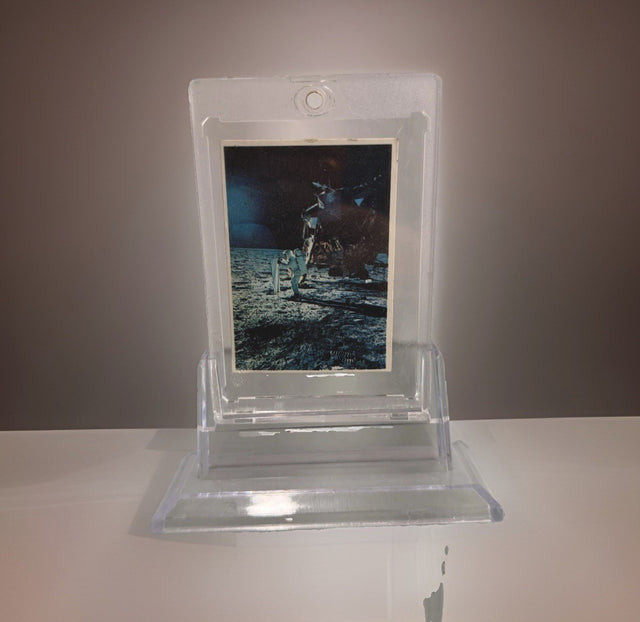
1969 Space Candy Buzz Aldrin Apollo 11 On The Moon Card #19 Taylor-Reed Display
$59.00 USD
-

1980 Polo Player Green Pink Chalk Pastel Bears Andy Warhol Signature AS-IS
$399.00 USD
-

After Andy Warhol Moon Landing Line Drawing 5/50 w/ Astronaut Autographs As-Is
$175.00 USD
-

After John Lennon "I Do" Framed Print, Marked A/P Unverified
$99.00 USD
-

After Roy Lichtenstein I Love Liberty Framed Pop Art Print
$75.00 USD
-

Alice in Wonderland DNYC –$1 Dollar Bills Signed & Numbered Rare
$90.00 USD
-

Alkaline Trio Signed Acoustic Guitar Pickguard Autograph PSA/DNA AN21501
$100.00 USD
-

Andy Warhol The Beatles 1980 Vintage Poster Framed Pop Art Times Books Stokes
$349.00 USD
-

Angels & Airwaves — “Valkyrie Missile: A Brighter Tomorrow”
$89.00 USD
-
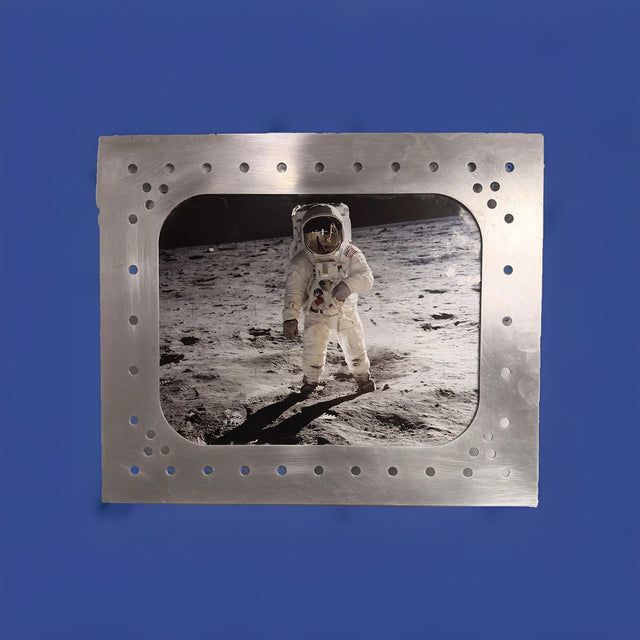
Apollo 11 Astronaut on the Moon NASA Photo Riveted Aluminum Spacecraft Frame
$89.00 USD


Browse the collection for current listings.