

Gauntlet Gallery — Takashi Murakami Print Index
Mr. Dob (A)
Work Summary & Collector Notes
Released in 2017 through streetwear retailer BAIT, this vinyl figure renders Mr. DOB — Takashi Murakami's signature character and self-portrait cipher — in three-dimensional collectible form. Version "A" designates a specific colorway within the release. The toy translates the artist's flat, Superflat aesthetic into a rounded, wide-eyed object, extending Murakami's decades-long project of collapsing the boundary between fine art, character design, and consumer culture.
Collector notes: Legacy catalog label: First Edition; total quantity was not documented in the saved record. Edition-specific signature, numbering, and stamp details were not stated in the saved release record. Verify signing and numbering against a documented example of this edition.
Why It Matters
Mr. DOB is the foundational character of Murakami's practice — a Mickey-Mouse-adjacent avatar he introduced in the early 1990s as a critique and celebration of otaku consumerism. Owning DOB in vinyl form places a collector at the origin point of the artist's iconography. The BAIT collaboration also situates the piece within Murakami's ongoing embrace of streetwear and toy culture as legitimate exhibition space.
Collector Perspective
For collectors, vinyl toys offer an accessible entry into Murakami's world without the outlay of a signed print or painting. Condition is paramount here: original box, unbroken seal, and clean vinyl materially affect desirability. As a character-driven, brand-collaboration object, this figure appeals equally to art collectors and the designer-toy community, giving it cross-market demand that pure fine-art editions do not always enjoy.
Historical Context
Murakami conceived Mr. DOB in 1993, building the name from the Japanese slang phrase "dobojite" (why?). Over three decades the character has mutated across paintings, sculptures, plush, and vinyl. By 2017, Murakami was deep into collaborations with streetwear and toy brands, and partnerships with retailers like BAIT reflected his conviction that the collectible object is a valid and democratic vessel for his art.
Documented Release Details
- Object type
- Album / packaging artwork
- Release date
- 2017
- Release-date note
- Catalog-listed release year from the saved secondary record; primary release-page confirmation remains pending.
- Medium and materials
- Vinyl Toy.
- Edition details
- Legacy catalog label: First Edition; total quantity was not documented in the saved record.
- Signature and marks
- Edition-specific signature, numbering, and stamp details were not stated in the saved release record. Verify signing and numbering against a documented example of this edition.
Documented History and Meaning
History note: This page treats Takashi Murakami's broader career as background context, not proof that this specific edition belongs to any single exhibition or event. Release-level facts here come from a saved secondary catalog record.
Meaning / interpretation: No per-work artist statement is recorded for this edition. Any thematic reading should be treated as interpretation of the imagery, not a documented statement of the artist's intent. This interpretive note follows the cited artist or publisher context.
Release context: The saved catalog lists 2017 and attributes the edition to BAIT.
Authentication, Presentation and Provenance
- Original presentation
- Original packaging or presentation was not documented in the release sources reviewed.
- Authentication note
- Compare the support, dimensions, edition number, and signature against a documented example of this edition. Gauntlet Gallery does not authenticate works purchased from third parties.
- Provenance note
- Edition origin is attributed in the saved record to BAIT. That does not establish the ownership history of an individual copy: retain the original invoice, reseller or gallery paperwork, labels, correspondence, and condition photographs.
Sources and Verification
Verification status: Secondary catalog snapshot; artist-level context added
- Saved release record — Art Collectorz · secondary catalog snapshot · Accessed 2026-07-13 · Starting record for title, year, edition, dimensions, medium, and release description. Primary confirmation against the original release page remains pending.
- Kaikai Kiki — official studio site — Kaikai Kiki Co., Ltd. · primary artist source · Accessed 2026-07-13 · Official studio/company site; career context, not an individual-edition record.
- Takashi Murakami — Wikipedia · reference encyclopedia · Accessed 2026-07-13 · General artist-level biographical and career reference.
- Takashi Murakami (Q352437) — Wikidata · reference knowledge base · Accessed 2026-07-13 · Structured identifier used for the artist across catalog metadata.
FAQ
Who is Mr. DOB?
Mr. DOB is Takashi Murakami's signature character, created around 1993. Often read as the artist's self-portrait and alter ego, DOB channels manga and cartoon iconography — big round ears spelling out D-O-B — into a commentary on consumer culture. He recurs across Murakami's paintings, prints, and toys.
What does the 'A' in Mr. Dob (A) mean?
The 'A' typically denotes a specific version or colorway within a release that offered more than one variant. Collectors should confirm the exact colorway against the original BAIT packaging, as sibling versions can differ in palette and expression.
Is this a fine-art edition or a designer toy?
It is a vinyl toy produced through streetwear retailer BAIT — a designer-collectible object rather than a hand-pulled print. That said, Murakami treats such toys as legitimate extensions of his art practice, and they are collected across both the art and designer-toy markets.
What affects the value of a Murakami vinyl figure?
Condition is the dominant factor: an intact original box, unbroken seal, and clean, undamaged vinyl matter most. Colorway rarity, the specific collaboration, and overall demand for the character also play roles. We do not quote specific prices in this reference entry.
Related Takashi Murakami Works


Available at Gauntlet Gallery
Explore current pieces available from the gallery.
-

1963 Farquhar Earth in Space Transparent Celestial Globe 16" Compass VTG
$699.00 USD
-

1967 Beatles Richard Avedon STERN Original Posters Set of 4 Linen Backed Copy
$999.00 USD
-
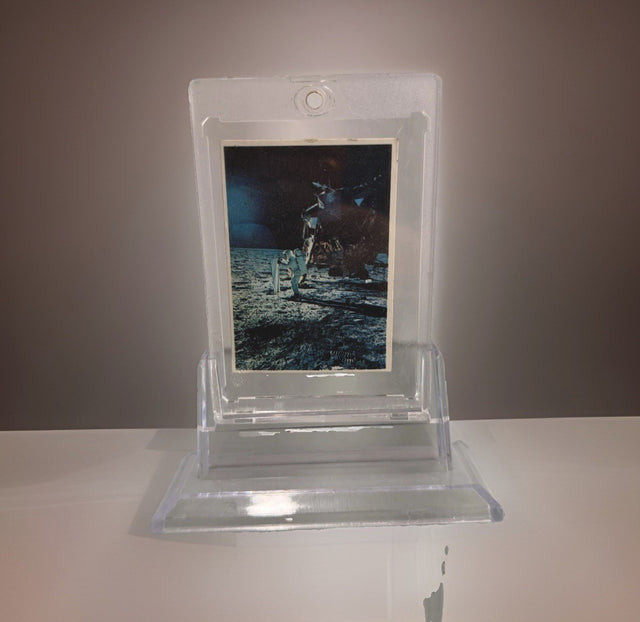
1969 Space Candy Buzz Aldrin Apollo 11 On The Moon Card #19 Taylor-Reed Display
$59.00 USD
-

1980 Polo Player Green Pink Chalk Pastel Bears Andy Warhol Signature AS-IS
$399.00 USD
-

After Andy Warhol Moon Landing Line Drawing 5/50 w/ Astronaut Autographs As-Is
$175.00 USD
-

After John Lennon "I Do" Framed Print, Marked A/P Unverified
$99.00 USD
-

After Roy Lichtenstein I Love Liberty Framed Pop Art Print
$75.00 USD
-

Alice in Wonderland DNYC –$1 Dollar Bills Signed & Numbered Rare
$90.00 USD
-

Alkaline Trio Signed Acoustic Guitar Pickguard Autograph PSA/DNA AN21501
$100.00 USD
-

Andy Warhol The Beatles 1980 Vintage Poster Framed Pop Art Times Books Stokes
$349.00 USD
-

Angels & Airwaves — “Valkyrie Missile: A Brighter Tomorrow”
$89.00 USD
-
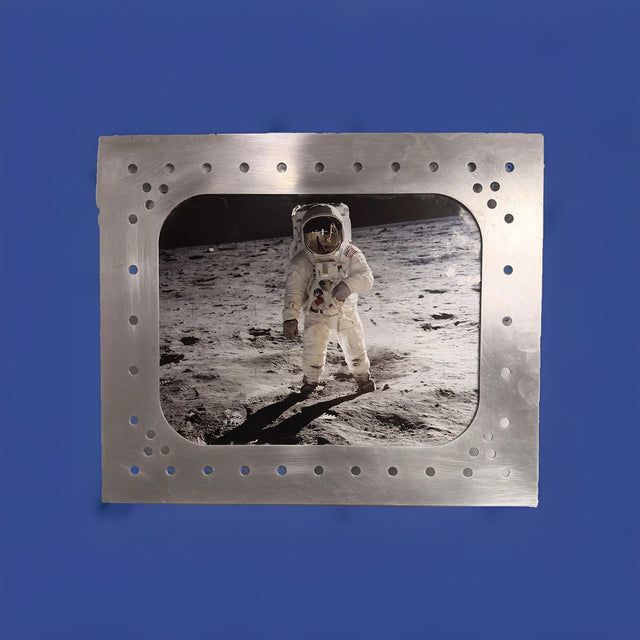
Apollo 11 Astronaut on the Moon NASA Photo Riveted Aluminum Spacecraft Frame
$89.00 USD


Browse the collection for current listings.