

Gauntlet Gallery — Jamie Reid Print Index
The Beast 4 Peace (Stamped Edition)
Work Summary & Collector Notes
'The Beast 4 Peace (Stamped Edition)' is a 2020 archival inkjet print on heavy matt stock, a collaborative work between L-13's in-house 'pacifist pooch' THE BEAST and Jamie Reid. The stamped edition is one of two formats, with the overall run numbering 113 at 39 x 30.5 cm.
Collector notes: The saved release record describes: Edition of 113 copies. The saved release record describes: signed; numbered. Verify each feature against a documented example of this edition.
Why It Matters
The piece captures the playful, collaborative spirit of Reid's later work with the L-13 studio. Pairing his rebel-romantic pacifism with the studio's mascot THE BEAST, it turns an anti-war message into something wry and communal. The stamped edition marks a distinct variant within a small overall run.
Collector Perspective
The stamped format distinguishes this from the signed edition, so buyers should confirm which variant they hold and its place within the 113-strong run. Heavy matt stock frames well. As a collaborative and characterful piece, its appeal rests on the L-13 narrative and Reid's peace theme rather than his marquee Queen imagery.
Historical Context
L-13 Light Industrial Workshop has been Reid's principal collaborator and publisher in his later career, producing many of his editions. THE BEAST is a recurring studio persona. This print reflects the collective, humour-laced ethos of that partnership, extending Reid's pacifist strand into the pandemic year.
Documented Release Details
- Object type
- Editioned print
- Release date
- 2020
- Release-date note
- Catalog-listed release year from the saved secondary record; primary release-page confirmation remains pending.
- Medium and materials
- Giclee Print; catalog dimensions 39 x 30.5 cm.
- Edition details
- The saved release record describes: Edition of 113 copies.
- Signature and marks
- The saved release record describes: signed; numbered. Verify each feature against a documented example of this edition.
Documented History and Meaning
History note: This page treats Jamie Reid's broader career as background context, not proof that this specific edition belongs to any single exhibition or event. Release-level facts here come from a saved secondary catalog record.
Meaning / interpretation: No per-work artist statement is recorded for this edition. Any thematic reading should be treated as interpretation of the imagery, not a documented statement of the artist's intent. This interpretive note follows the cited artist or publisher context.
Release context: The saved catalog lists 2020 and attributes the edition to L-13 Light Industrial Workshop.
Authentication, Presentation and Provenance
- Original presentation
- Original packaging or presentation was not documented in the release sources reviewed.
- Authentication note
- Compare the support, dimensions, edition number, and signature against a documented example of this edition. Gauntlet Gallery does not authenticate works purchased from third parties.
- Provenance note
- Edition origin is attributed in the saved record to L-13 Light Industrial Workshop. That does not establish the ownership history of an individual copy: retain the original invoice, reseller or gallery paperwork, labels, correspondence, and condition photographs.
Sources and Verification
Verification status: Secondary catalog snapshot; artist-level context added
- Saved release record — Art Collectorz · secondary catalog snapshot · Accessed 2026-07-13 · Starting record for title, year, edition, dimensions, medium, and release description. Primary confirmation against the original release page remains pending.
- Jamie Reid — Wikipedia · reference encyclopedia · Accessed 2026-07-13 · General artist-level biographical and career reference.
- Jamie Reid (Q2138987) — Wikidata · reference knowledge base · Accessed 2026-07-13 · Structured identifier used for the artist across catalog metadata.
FAQ
Who collaborated on this work?
L-13's mascot THE BEAST and artist Jamie Reid.
How does the stamped edition differ?
It is one of two formats; the other is a signed edition.
What is the overall edition size?
113, printed on heavy matt stock at 39 x 30.5 cm.
Related Jamie Reid Works


Available at Gauntlet Gallery
Explore current pieces available from the gallery.
-

1963 Farquhar Earth in Space Transparent Celestial Globe 16" Compass VTG
$699.00 USD
-

1967 Beatles Richard Avedon STERN Original Posters Set of 4 Linen Backed Copy
$999.00 USD
-
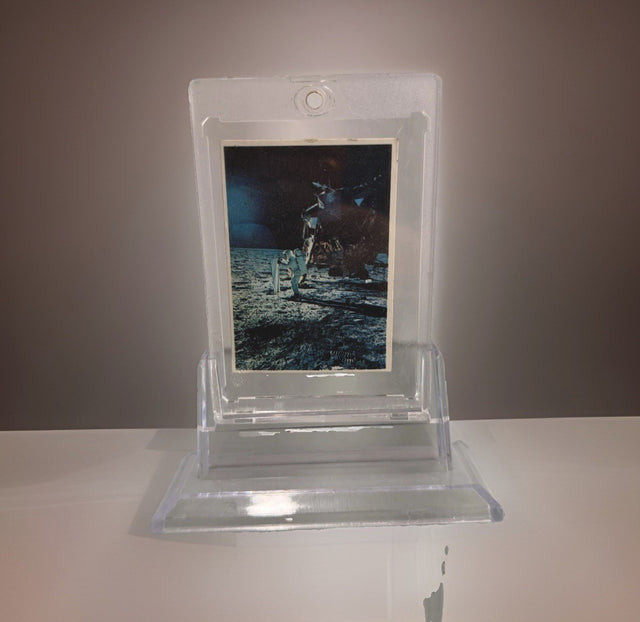
1969 Space Candy Buzz Aldrin Apollo 11 On The Moon Card #19 Taylor-Reed Display
$59.00 USD
-

1980 Polo Player Green Pink Chalk Pastel Bears Andy Warhol Signature AS-IS
$399.00 USD
-

After Andy Warhol Moon Landing Line Drawing 5/50 w/ Astronaut Autographs As-Is
$175.00 USD
-

After John Lennon "I Do" Framed Print, Marked A/P Unverified
$99.00 USD
-

After Roy Lichtenstein I Love Liberty Framed Pop Art Print
$75.00 USD
-

Alice in Wonderland DNYC –$1 Dollar Bills Signed & Numbered Rare
$90.00 USD
-

Alkaline Trio Signed Acoustic Guitar Pickguard Autograph PSA/DNA AN21501
$100.00 USD
-

Andy Warhol The Beatles 1980 Vintage Poster Framed Pop Art Times Books Stokes
$349.00 USD
-

Angels & Airwaves — “Valkyrie Missile: A Brighter Tomorrow”
$89.00 USD
-
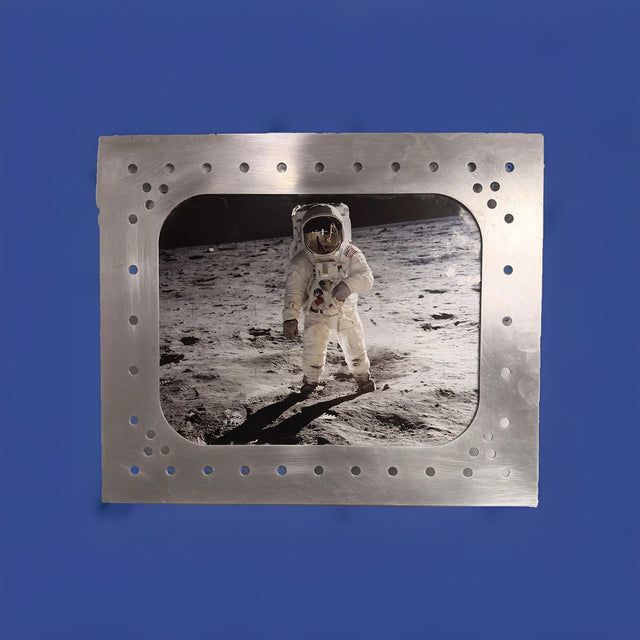
Apollo 11 Astronaut on the Moon NASA Photo Riveted Aluminum Spacecraft Frame
$89.00 USD


Browse the collection for current listings.