

Gauntlet Gallery — Complete Damien Hirst Print Index
Vipera Lebetina (First edition)
Work Summary & Collector Notes
Vipera Lebetina is a 2012 glazed silkscreen from Damien Hirst's spot series, published by Other Criteria in an edition of 100. Measuring 70 x 63.5 cm, it arranges individually inked, non-repeating colour spots in a compact grid. Named for a species of viper, the print is signed and numbered, extending Hirst's naming convention beyond pharmaceuticals into zoological classification.
Collector notes: The saved release record describes: Edition of 100. The saved release record describes: signed; numbered. Verify each feature against a documented example of this edition.
Why It Matters
Vipera Lebetina shows Hirst titling a spot print after a venomous snake, linking the series' orderly colour to themes of danger and the natural world. Together with the pharmaceutical-named works, it demonstrates the breadth of the scientific lexicon Hirst draws on. Its edition of 100 places it among the more tightly editioned spot prints.
Collector Perspective
The compact 70 x 63.5 cm format and edition of 100 make this a scarcer, space-friendly spot print, well suited to a grouped display of multiple works. The glaze finish rewards close viewing but needs glare-controlling framing. As with all spot prints, verify the signature, numbering, and condition of the glazed surface before purchase.
Historical Context
Hirst's spot paintings, initiated in 1988, hold to one rule: no colour repeats within a work. Produced as prints through Other Criteria, each spot is inked by hand, making the series demanding to realize. Titles referencing species such as Vipera Lebetina sit alongside pharmaceutical names, reflecting Hirst's sustained fascination with the systems of science.
Documented Release Details
- Object type
- Editioned screenprint
- Release date
- 2012
- Release-date note
- Catalog-listed release year from the saved secondary record; primary release-page confirmation remains pending.
- Medium and materials
- Screen Print; catalog dimensions 70 x 63.5 cm; Silkscreen print with glaze.
- Edition details
- The saved release record describes: Edition of 100.
- Signature and marks
- The saved release record describes: signed; numbered. Verify each feature against a documented example of this edition.
Documented History and Meaning
History note: This page treats Damien Hirst's broader career as background context, not proof that this specific edition belongs to any single exhibition or event. Release-level facts here come from a saved secondary catalog record.
Meaning / interpretation: Read as documented context rather than stated intent: Hirst's spot paintings, initiated in 1988, hold to one rule: no colour repeats within a work. This is an interpretive reading of the release context, not a statement of the artist's intent for this specific work. This interpretive note follows the cited artist or publisher context.
Release context: The saved catalog lists 2012 and attributes the edition to Other Criteria.
Authentication, Presentation and Provenance
- Original presentation
- Original packaging or presentation was not documented in the release sources reviewed.
- Authentication note
- Compare the support, dimensions, edition number, and signature against a documented example of this edition. Gauntlet Gallery does not authenticate works purchased from third parties.
- Provenance note
- Edition origin is attributed in the saved record to Other Criteria. That does not establish the ownership history of an individual copy: retain the original invoice, reseller or gallery paperwork, labels, correspondence, and condition photographs.
Sources and Verification
Verification status: Secondary catalog snapshot; artist-level context added
- Saved release record — Art Collectorz · secondary catalog snapshot · Accessed 2026-07-13 · Starting record for title, year, edition, dimensions, medium, and release description. Primary confirmation against the original release page remains pending.
- Damien Hirst — official site — Damien Hirst studio (Science Ltd.) · primary artist source · Accessed 2026-07-13 · Official artist site; career context, not an individual-edition record.
- Damien Hirst — Wikipedia · reference encyclopedia · Accessed 2026-07-13 · General artist-level biographical and career reference.
- Damien Hirst (Q294326) — Wikidata · reference knowledge base · Accessed 2026-07-13 · Structured identifier used for the artist across catalog metadata.
FAQ
How large is the edition?
Vipera Lebetina was issued in an edition of 100, each signed and numbered.
What does the title mean?
It is the scientific name of a viper species; Hirst titles his spot prints after chemical and zoological terms.
What are the dimensions?
The print measures 70 x 63.5 cm, a compact near-square format.
Is it a silkscreen?
Yes, a silkscreen finished with a clear glaze; it is signed and numbered by Hirst.
Related Damien Hirst Works


Shop Pop Art - Andy Warhol, Keith Haring, Basquiat
Explore current pieces available from the gallery.
-

Andy Warhol The Beatles 1980 Vintage Poster Framed Pop Art Times Books Stokes
$349.00 USD
-

After Roy Lichtenstein I Love Liberty Framed Pop Art Print
$75.00 USD
-

Shepard Fairey Warhol Collages (Silver)
$225.00 USD
-

Shepard Fairey Keith Haring Signed Numbered Screen Print OBEY Portrait /450
$699.00 USD
-

Shepard Fairey Keith Haring Signed Numbered FRAMED Print 2020 Obey Giant 23/450
$395.00 USD
-
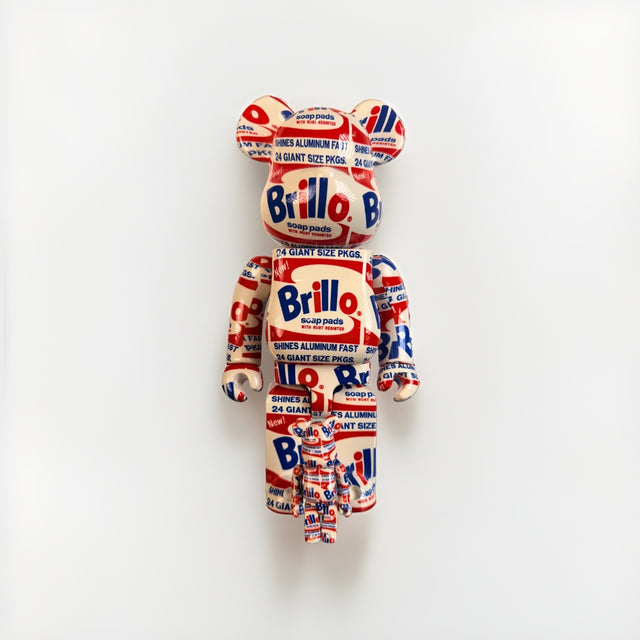
Bearbrick BE@RBRICK Andy Warhol Brillo 400% 100% Set Original 2020 Medicom New
$275.00 USD
-
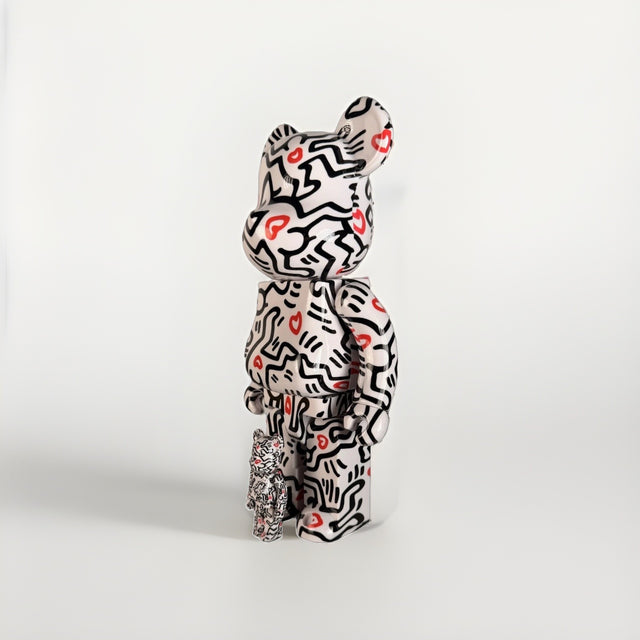
BE@RBRICK Keith Haring 400% + 100% Set Medicom Toy Bearbrick Foundation Art New
$199.00 USD
-

Oilstick Skull Drawing Manner of Basquiat Signed Antique Gold Frame Red Velvet
$175.00 USD
-

One Line Marker Drawing 1985 w/ Basquiat Estate COA - UNVERIFIED Sold As-Is
$149.00 USD
-

1980 Polo Player Green Pink Chalk Pastel Bears Andy Warhol Signature AS-IS
$399.00 USD
-

After Andy Warhol Moon Landing Line Drawing 5/50 w/ Astronaut Autographs As-Is
$175.00 USD
-

Keith Haring (Attributed) Marker Drawing on Paper Bag Signed - Unauthenticated
$199.00 USD


Browse the collection for current listings.