

Gauntlet Gallery — Complete Damien Hirst Print Index
Isostearic Acid (First Edition)
Work Summary & Collector Notes
Isostearic Acid (First Edition) is documented in this catalog as a 2012 Woodcut. The saved release record lists dimensions of 6.25 x 6 inches. The saved record attributes the release to Manifold Editions. The cataloged edition information is 55.
Collector notes: First Edition; saved release record states an edition size of 55. Edition-specific signature, numbering, and stamp details were not stated in the saved release record. Verify signing and numbering against a documented example of this edition.
Why It Matters
The woodcut spots are notable because Hirst translated his machine-precise spot paintings into a hand-cut, grain-bearing medium. The single small spot format distills the series to its purest gesture: one perfect circle of color, named for a chemical, on bright white stock.
Collector Perspective
Collectors approach the spot woodcuts as a set-collecting proposition, where each chemical title is a discrete acquisition. The compact two-inch spot format sits at the accessible end of the series. Verify the Somerset White 410gsm stock, edition numbering, and clean registration of the woodcut impression.
Historical Context
Hirst began the spot paintings in the late 1980s and later expanded them into vast print editions. The woodcut treatment, published via The Paragon Press, gave the endlessly reproduced spot motif a deliberately traditional, tactile printmaking counterpoint to its clinical origins.
Documented Release Details
- Object type
- Editioned print or object
- Release date
- 2012
- Release-date note
- Catalog-listed release year from the saved secondary record; primary release-page confirmation remains pending.
- Medium and materials
- Woodcut; catalog dimensions 6.25 x 6 inches; 2-inch spot woodcut, printed on 410gsm Somerset White Paper, published by The Paragon Press in 2011.
- Edition details
- First Edition; saved release record states an edition size of 55.
- Signature and marks
- Edition-specific signature, numbering, and stamp details were not stated in the saved release record. Verify signing and numbering against a documented example of this edition.
Documented History and Meaning
History note: This page treats Damien Hirst's broader career as background context, not proof that this specific edition belongs to any single exhibition or event. Release-level facts here come from a saved secondary catalog record.
Meaning / interpretation: No per-work artist statement is recorded for this edition. Any thematic reading should be treated as interpretation of the imagery, not a documented statement of the artist's intent. This interpretive note follows the cited artist or publisher context.
Release context: The saved catalog lists 2012 and attributes the edition to Manifold Editions. The saved description also notes: 2-inch spot woodcut, printed on 410gsm Somerset White Paper, published by The Paragon Press in 2011.
Authentication, Presentation and Provenance
- Original presentation
- Original packaging or presentation was not documented in the release sources reviewed.
- Authentication note
- Compare the support, dimensions, edition number, and signature against a documented example of this edition. Gauntlet Gallery does not authenticate works purchased from third parties.
- Provenance note
- Edition origin is attributed in the saved record to Manifold Editions. That does not establish the ownership history of an individual copy: retain the original invoice, reseller or gallery paperwork, labels, correspondence, and condition photographs.
Sources and Verification
Verification status: Secondary catalog snapshot; artist-level context added
- Saved release record — Art Collectorz · secondary catalog snapshot · Accessed 2026-07-13 · Starting record for title, year, edition, dimensions, medium, and release description. Primary confirmation against the original release page remains pending.
- Damien Hirst — official site — Damien Hirst studio (Science Ltd.) · primary artist source · Accessed 2026-07-13 · Official artist site; career context, not an individual-edition record.
- Damien Hirst — Wikipedia · reference encyclopedia · Accessed 2026-07-13 · General artist-level biographical and career reference.
- Damien Hirst (Q294326) — Wikidata · reference knowledge base · Accessed 2026-07-13 · Structured identifier used for the artist across catalog metadata.
FAQ
What is the medium?
A two-inch spot woodcut printed on 410gsm Somerset White paper.
Why is it named Isostearic Acid?
Hirst titles his spot works after chemical and pharmaceutical compounds, a convention running across the entire spot series.
Who published it?
The Paragon Press published the spot woodcut program.
How does it fit the spot series?
It renders the signature single spot motif in hand-cut woodcut form, contrasting with the mechanical precision of the spot paintings.
Related Damien Hirst Works


Shop Pop Art - Andy Warhol, Keith Haring, Basquiat
Explore current pieces available from the gallery.
-

Andy Warhol The Beatles 1980 Vintage Poster Framed Pop Art Times Books Stokes
$349.00 USD
-

After Roy Lichtenstein I Love Liberty Framed Pop Art Print
$75.00 USD
-

Shepard Fairey Warhol Collages (Silver)
$225.00 USD
-

Shepard Fairey Keith Haring Signed Numbered Screen Print OBEY Portrait /450
$699.00 USD
-

Shepard Fairey Keith Haring Signed Numbered FRAMED Print 2020 Obey Giant 23/450
$395.00 USD
-
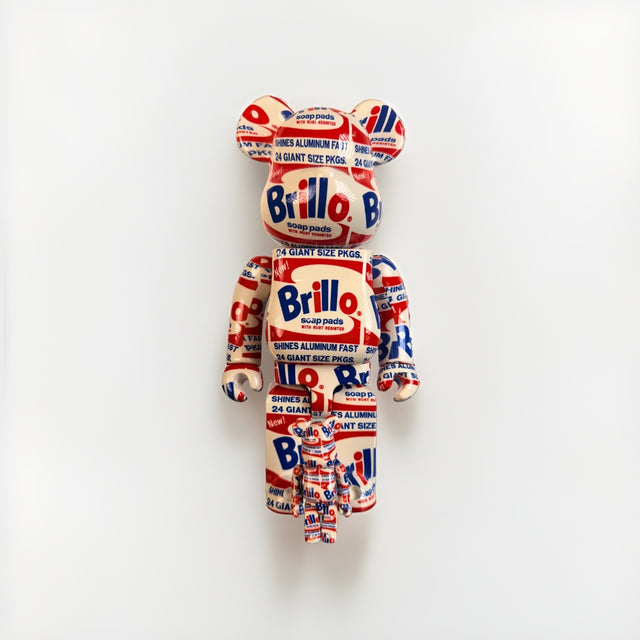
Bearbrick BE@RBRICK Andy Warhol Brillo 400% 100% Set Original 2020 Medicom New
$275.00 USD
-
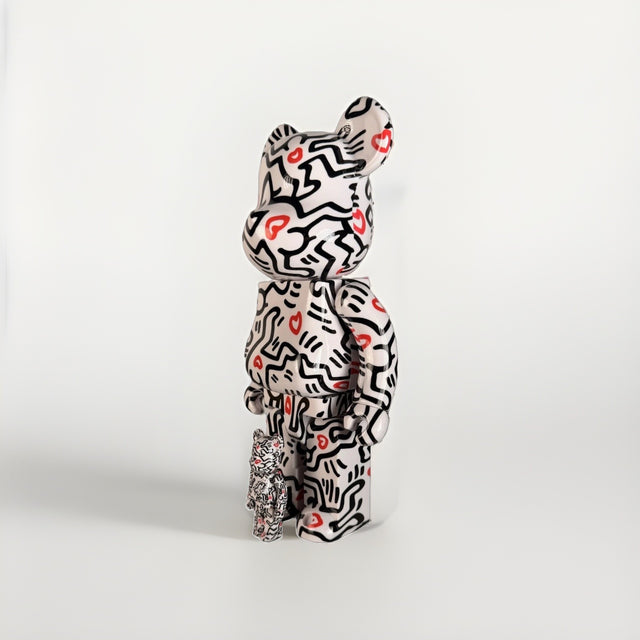
BE@RBRICK Keith Haring 400% + 100% Set Medicom Toy Bearbrick Foundation Art New
$199.00 USD
-

Oilstick Skull Drawing Manner of Basquiat Signed Antique Gold Frame Red Velvet
$175.00 USD
-

One Line Marker Drawing 1985 w/ Basquiat Estate COA - UNVERIFIED Sold As-Is
$149.00 USD
-

1980 Polo Player Green Pink Chalk Pastel Bears Andy Warhol Signature AS-IS
$399.00 USD
-

After Andy Warhol Moon Landing Line Drawing 5/50 w/ Astronaut Autographs As-Is
$175.00 USD
-

Keith Haring (Attributed) Marker Drawing on Paper Bag Signed - Unauthenticated
$199.00 USD


Browse the collection for current listings.