DEATH NYC Toy Story Buzz Woody Van Gogh Signed Ltd Ed Print COA Art: Collector Guide — What It Is, What It Is Worth
Buzz Lightyear and Woody are supposed to be in Andy's room, not crash-landing through the swirling cosmos of Van Gogh's The Starry Night. That impossible collision — Pixar's most beloved duo detonated into post-impressionist oil paint, metallic ink, and pure audacity — is exactly what Death NYC built this print to accomplish. This is a hand-signed limited edition Death NYC print, issued in an edition of 50–100 copies, each accompanied by a gold embossed Certificate of Authenticity (COA), and offered at a $100 retail price point. It is one of the most iconographically dense mashup prints the artist has produced: two layers of generational nostalgia (1990s Disney and 19th-century Van Gogh) detonated against each other on a single 18x13-inch sheet.
The Cultural Collision
Death NYC's signature methodology is controlled detonation: take two objects from completely separate cultural registers, force them into the same frame, and let the resulting tension do the commentary. Here, the source elements are precise. On one side: Buzz Lightyear and Woody from Pixar's Toy Story (1995), arguably the most emotionally resonant animated characters of the millennial generation, synonymous with loyalty, childhood, and the anxiety of obsolescence. On the other side: Van Gogh's The Starry Night (1889), the most reproduced painting in Western art history, its swirling cypresses and phosphorescent night sky so embedded in mass culture that it has become shorthand for "high art" itself.
The collision is not random. Death NYC positions Buzz and Woody within or overlaid against Van Gogh's composition — the bold metallic ink of their character forms set against the churning impasto-inspired swirls of a Post-Impressionist sky. The effect is dissonant and immediately legible: corporate IP inserted into a canonical fine art space, childhood rendered monumental, the sacred and the commercial occupying the same frame without resolution. Whether you read it as commentary on Disney's cultural monopoly, a celebration of dual-nostalgia, or simply a visually arresting image, the print refuses to be ignored.
Death NYC: The Artist
Death NYC is an anonymous street artist who began producing work around 2010–2012, operating primarily out of New York City. The artist draws explicit lineage from Banksy's guerrilla provocation, Warhol's obsession with repetition and celebrity imagery, and Basquiat's fusion of street vernacular with fine art reference. Death NYC's work is framed as cultural commentary — specifically on the mechanisms of consumerism, the celebrity industrial complex, and the porous boundary between high culture and mass-market product. The choice to remain anonymous amplifies the critique: the work circulates without an author-brand to overshadow it.
Production discipline is central to the practice. Death NYC issues small, numbered, hand-signed editions — typically 50–100 copies per image — ensuring scarcity without the inaccessibility of blue-chip gallery pricing. The prints are produced on premium stock with metallic inks, signed and dated by the artist, and issued with gold embossed COA cards. This combination of street art credibility, rigorous edition control, and accessible price points has built a global collector base spanning street art enthusiasts, Disney memorabilia collectors, luxury brand aficionados, and contemporary art investors.
Edition and Authentication
This print is hand-signed and dated directly by Death NYC. The edition is limited to approximately 50–100 copies worldwide, with each print individually hand-numbered. Dimensions are 18x13 inches on premium-weight archival stock, printed with the metallic inks that define Death NYC's visual register.
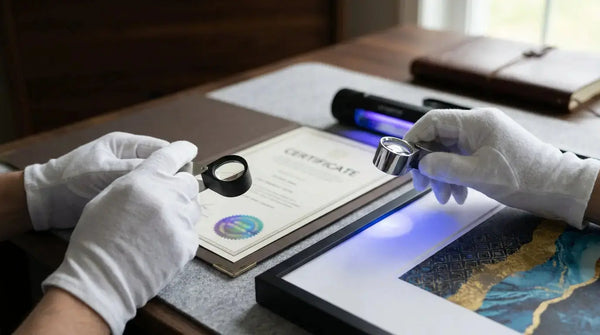
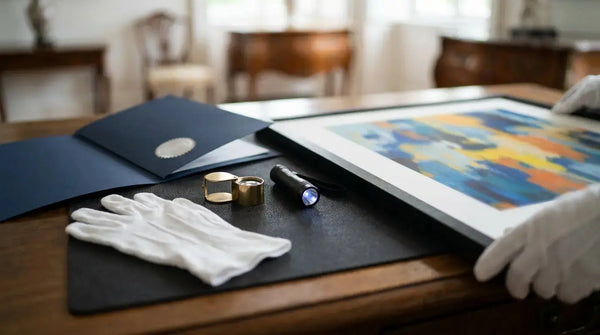
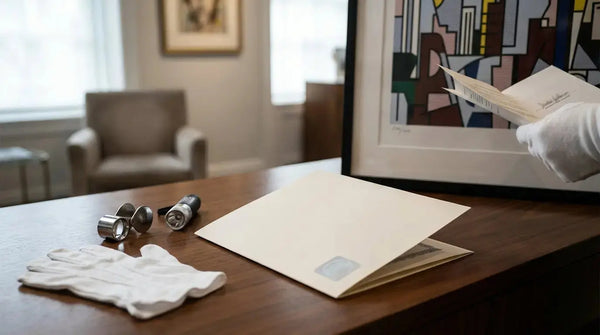
The primary authentication marker is the gold embossed COA card included with each print. Authentic seals are physically raised on the card surface — the embossing creates a tactile ridge that is immediately distinguishable from a flat-printed seal. Counterfeit COAs almost invariably use printed gold ink rather than true embossing. Secondary authentication markers include the artist's hand-signature (not a stamp), the matching edition number on both the print margin and the COA card, and provenance documentation from an authorized seller. Gauntlet Gallery verifies all three before listing.
Why Collectors Buy This Print
The Toy Story x Van Gogh mashup generates cross-collector demand that most street art prints cannot access. Disney collectors and Pixar completionists who might never enter a street art gallery find this print irresistible as an object of fandom. Contemporary art collectors who recognize Death NYC's market trajectory see it as an accessible entry point into a rapidly appreciating body of work. Van Gogh enthusiasts drawn to the source material discover street art. The print operates simultaneously in four distinct collector markets — Disney, street art, fine art reproduction, and pop culture memorabilia — which is rare for any single piece at $100.
The secondary market data for Death NYC is consistent. At $100, this print sits at the accessible entry level of the street art market — below the threshold that requires a specialist buyer but above the floor of mass-market reproduction. The edition of 50–100 copies is large enough to ensure initial accessibility but small enough to drive secondary scarcity once the edition closes. For collectors building a street art position without heavy capital commitment, Death NYC prints at this price point represent one of the most documented appreciation tracks in the category. Compare the exact image, edition, medium and presentation with dated completed sales, distinguishing hand-sprayed originals from editioned prints. Future resale value is uncertain.
Browse the full Death NYC collection and explore available prints at Gauntlet Gallery — Death NYC Prints.
Shop Death NYC
Explore current pieces available from the gallery.
-

Death NYC — Kate Moss Rihanna Red Drip 2020 A/P Artist Proof Framed
$91.88 USD
-
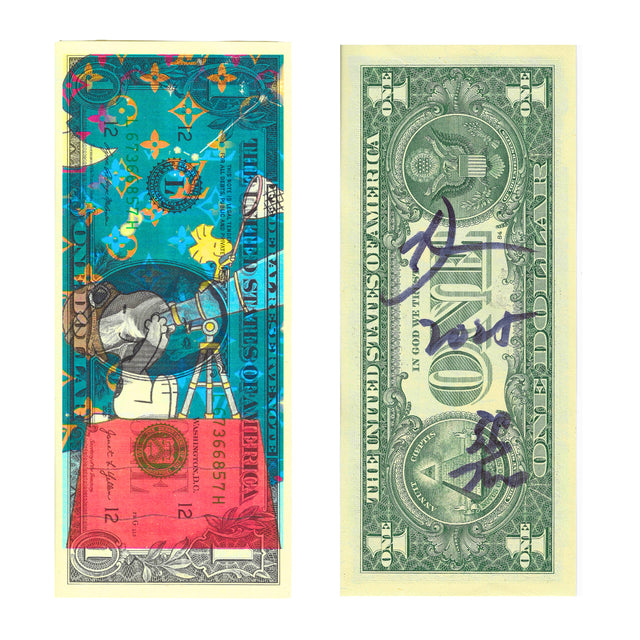
Death NYC Snoopy Woodstock Telescope LV Dollar Bill Art Signed Numbered COA
$55.00 USD
-
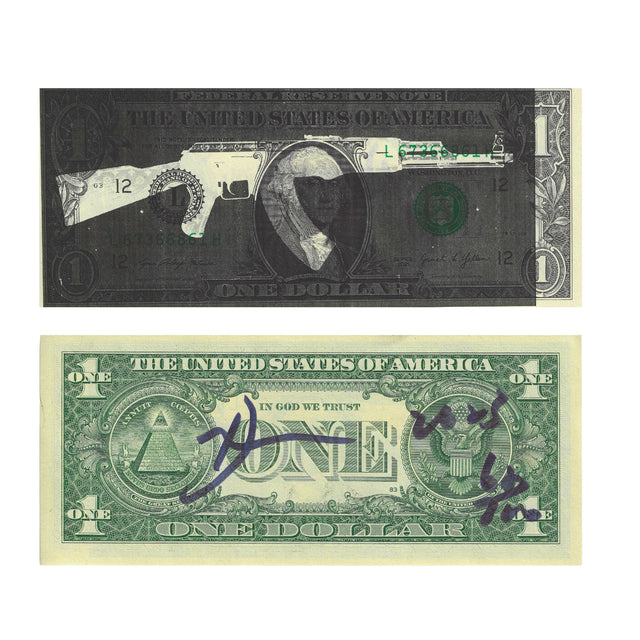
Death NYC Gun Dollar Bill Art Signed Numbered COA Black White Pop Street Art
$50.00 USD
-
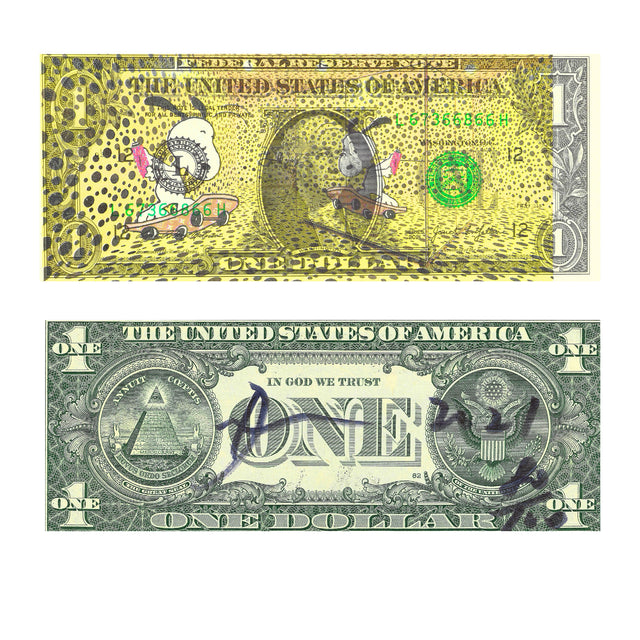
Death NYC Snoopy Skateboard Dollar Bill Art Signed Numbered COA Pop Street Art
$75.00 USD
-
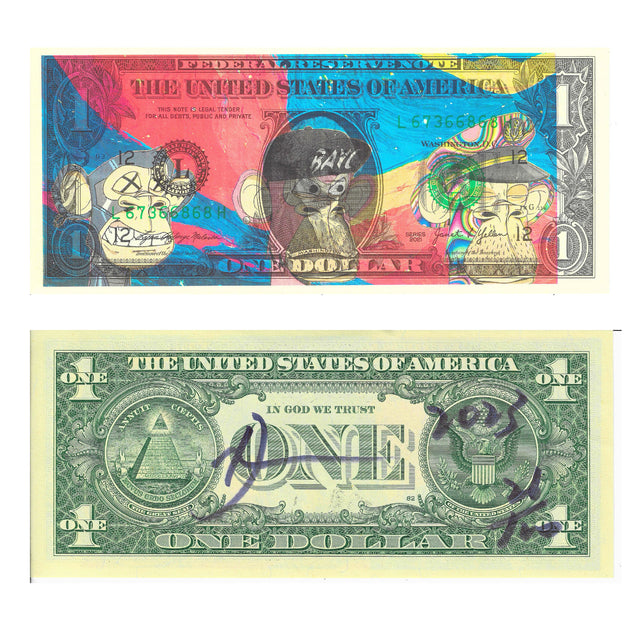
Death NYC Bored Ape Dollar Bill Art Signed Numbered COA Pop Street Art
$40.00 USD
-
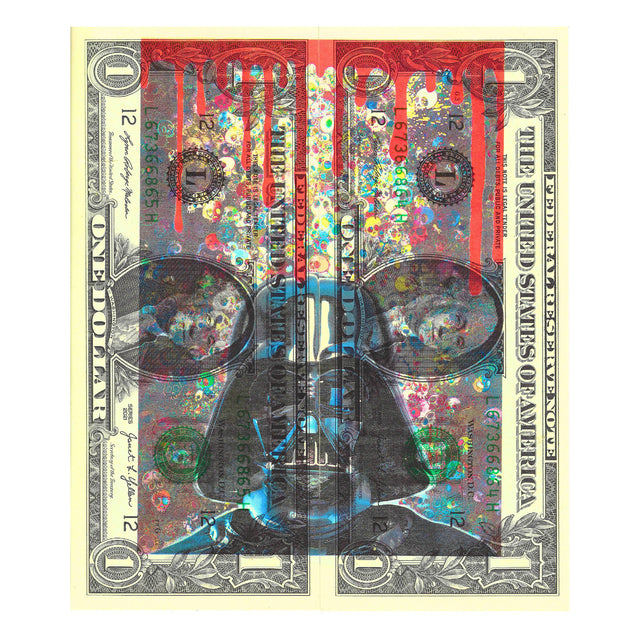
Death NYC Darth Vader Star Wars Dollar Bill Art Signed Two Bills COA Unframed
$100.00 USD
Browse the collection for current listings.