Letters of Authenticity (LOA): When They Mean Something and When They Don't
A Letter of Authenticity (LOA) is a document claiming that an item is genuine. It sounds authoritative. It frequently is not. The term "LOA" is so widely misunderstood — and so commonly used to provide false comfort for forgeries — that collectors need a clear framework for evaluating when an LOA is meaningful and when it is worthless.
When an LOA Is Meaningful
- From a recognized third-party authentication service (PSA/DNA, JSA, Beckett, Zarelli, Pest Control) — organizations with established exemplar databases, trained authenticators, and professional accountability
- From a recognized auction house that authenticated the item for a past sale — Heritage, Sotheby's, Christie's documentation from a past sale represents meaningful provenance
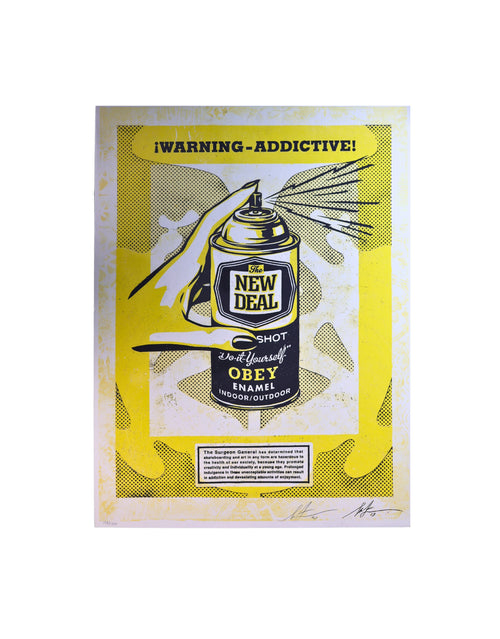
- From the artist's official studio or estate — Obey Giant studio for Fairey, Pest Control for Banksy, Keith Haring Foundation, Basquiat estate authentication committee
When an LOA Is Worthless
- From an unknown individual or "private authentication expert" with no verifiable credentials or track record
- From the seller themselves ("I personally guarantee this is authentic")
- From a now-defunct company or service with no verifiable history
- From "the estate" without documentation of who actually controls the estate and their authority to authenticate
The Bottom Line
Evaluate an LOA by asking: who is behind this document, and what accountability do they have? A PSA/DNA LOA is backed by an organization with decades of reputation and legal accountability. An individual's handwritten LOA is backed by nothing verifiable. When in doubt, require PSA, JSA, Zarelli, or the applicable specialty authority — and verify the certificate number against their database.