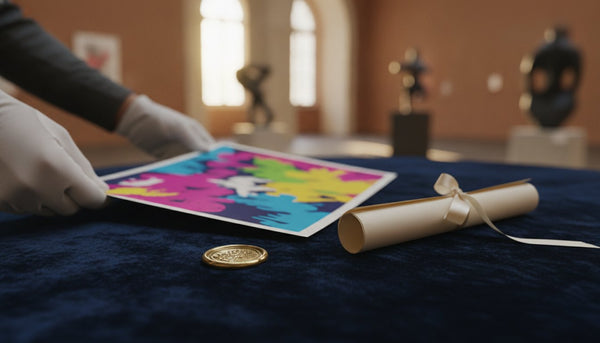
Collecting as a Portfolio: How Art and Collectibles Compare to Traditional Investments
Art and collectibles are frequently discussed as alternative investments — passion assets that combine aesthetic enjoyment with the possibility of financial appreciation. The reality is more nuanced than the promotional framing: collectibles have genuinely outperformed equities in specific categories and time periods, and dramatically underperformed in others.
What the Data Shows
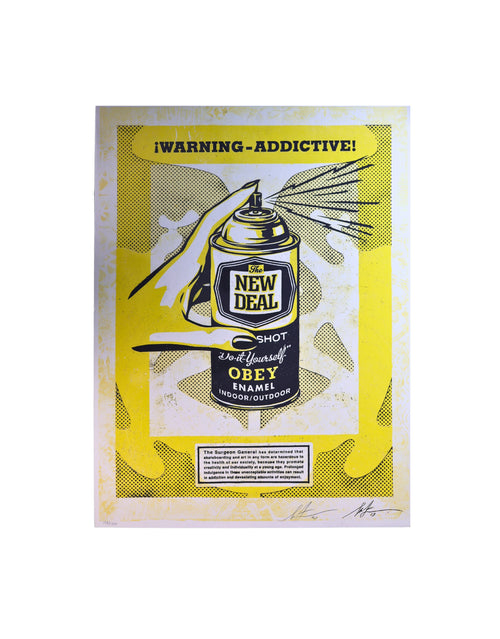
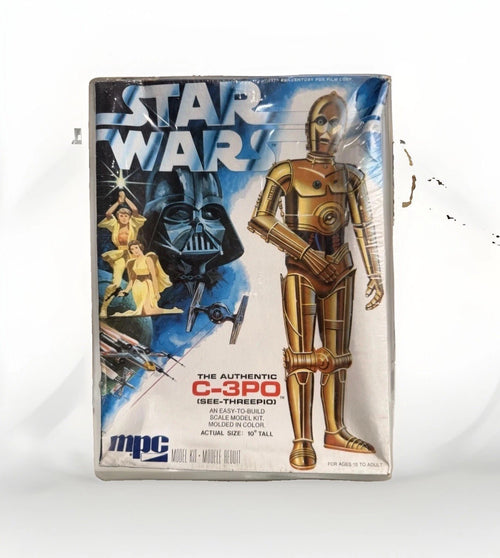
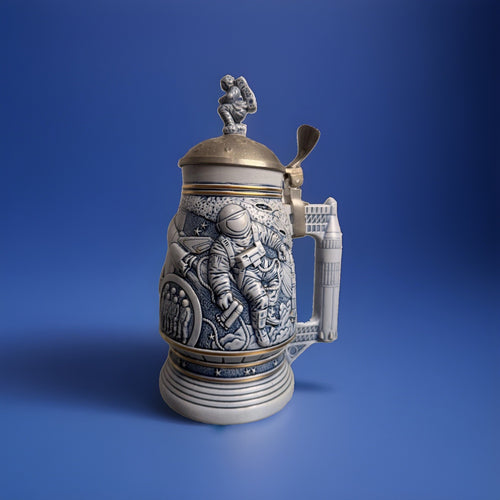
The Knight Frank Luxury Investment Index tracks collectible category performance annually. Historical data shows: blue-chip art (top-tier paintings by recognized artists) has generated returns comparable to equities over 20+ year periods. Signed memorabilia from permanently scarce categories — Apollo astronauts, early Beatles, pre-1970 rock icons — has shown appreciation that reflects genuine supply-demand dynamics. Trend-driven categories (NFTs, hype-era sneakers) have shown boom-bust cycles that mirror speculative assets.
Liquidity Is the Key Risk
Collectibles are fundamentally illiquid compared to equities. A stock position can be sold in seconds; a Banksy print requires finding the right buyer, navigating auction timelines, and paying seller's commission. The illiquidity premium — the additional return expected for holding an illiquid asset — should be a minimum baseline expectation for collectibles investments.
The Holding Period Requirement
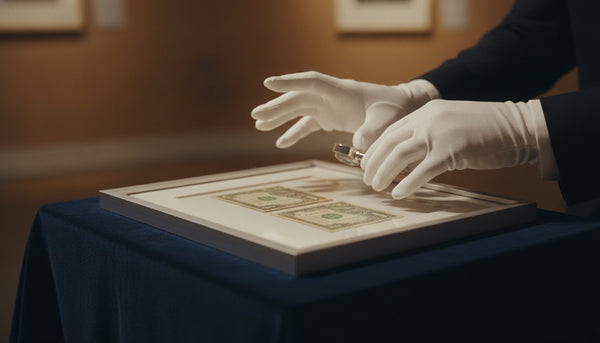
Short-term trading in collectibles is difficult to execute profitably after accounting for transaction costs (auction premiums, authentication fees, shipping, insurance). The favorable risk-return profile for collectibles investment requires a multi-year holding period — typically 5–10 years minimum to allow appreciation to materially exceed transaction costs. Buy pieces you would want to own even if they didn't appreciate.